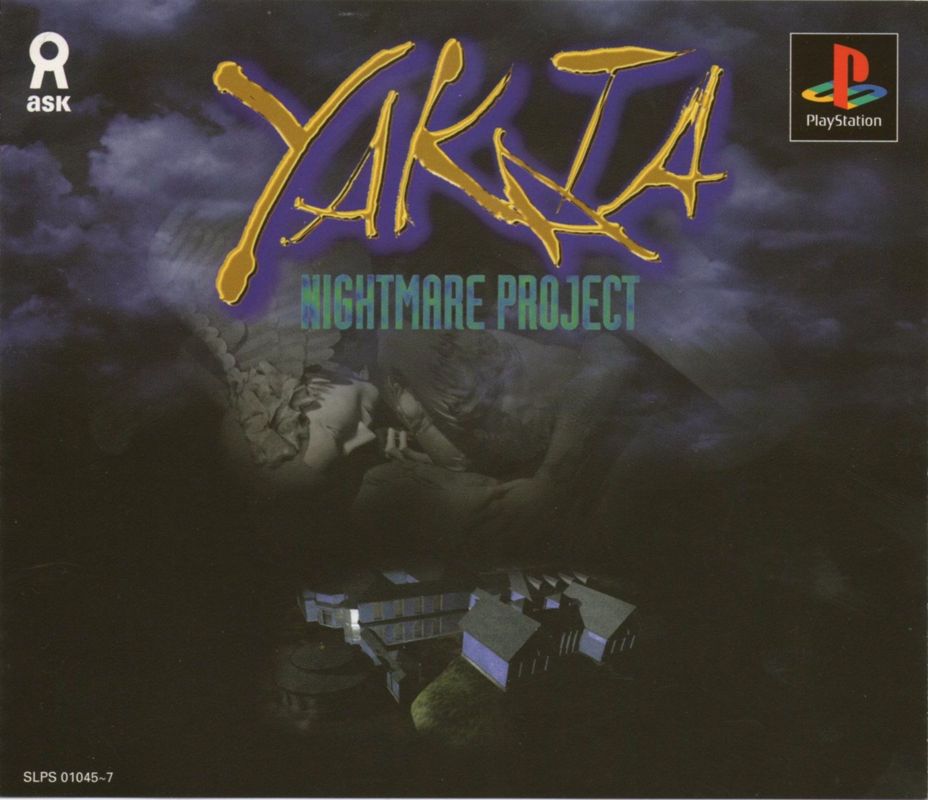
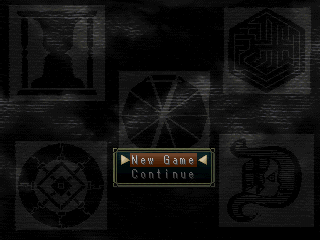
A young man named Yakata: Nightmare Project 's protagonist goes on a yacht travel with friends. Suddenly, a terrible storm comes out of nowhere: he is washed out on the shore. He regains consciousness, but not memories of recent events. Realizing that he is on an island, he begins to explore it and reaches a big mansion. To his surprise, his friends are already there; apparently, they have all been invited. Thinking that the worst is behind, Yakata: Nightmare Project 's protagonist goes to sleep. But the next day, the young and beautiful owner of the mansion, Chiori Nakamura, is found dead in a locked room. One of Yakata: Nightmare Project 's companions reveals herself as the famous detective Edogawa Ranko (perhaps Conan's older sister; definitely a reference to the Japanese crime novel author Edogawa Ranpo). Under her guidance, the group decides to investigate the murder, but it turns out that the mansion is cut off from the rest of the world. They are stuck on the island, and one of them might be a murderer...
Yakata: Nightmare Project is an RPG with detective/mystery themes rarely seen in games of its genre. Unlike most RPGs, it is set in an isolated environment; much of the gameplay is dedicated to exploration of the huge mansion and its surrounding, with conversation and event-triggering reminiscent of Japanese adventure games.
The game is done in 3D, the exploration process featuring third-person perspective movement with automatically adjusted camera angles. It is also possible to physically move on the island map (also in 3D), accessing locations displayed on it.
The actual RPG system is quite simple, with traditional random enemy encounters and turn-based mechanics. Battles take place on separate isometric screens. The combat distinguishes itself from other representatives of the genre by having offensive and defensive turns. During a defensive turn, the player can choose to defend, reducing the damage, or move to another place on the battle screen, hoping to avoid the attack.
Anime-style full-motion movies are used to advance the story. The most important dialogues feature voice acting.


 (Disc 1).png)
.png)
.png)
 (Disc 2).png)