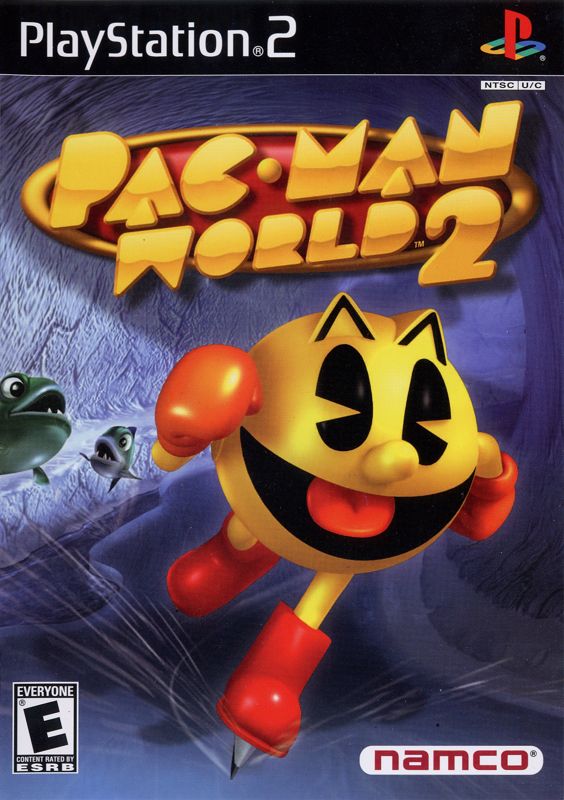
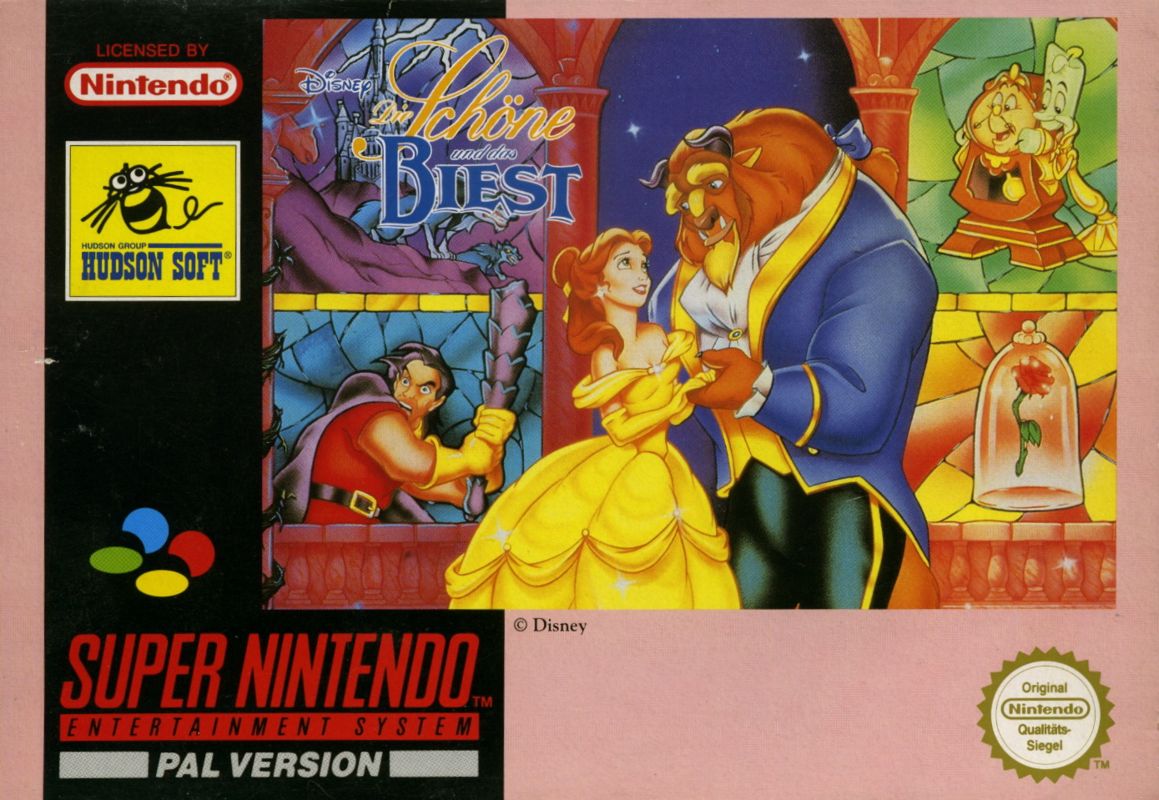
In the 1994 video game Beauty and the Beast, the Bat appears as a basic airborne hazard that the Beast must avoid or defeat. It also serves as a standard environmental enemy in Pac-Man World 2, obstructing Pac-Man's progress. Similar bat enemies appear as minor obstacles or opponents in Lost Vikings 2, Turok: Rage Wars, and Warriors of Might and Magic.
During the 16-bit and 32-bit eras, developers utilized these winged creatures to populate dark, cavernous, or outdoor levels, requiring players to adapt to vertical movement patterns. In the Super Nintendo Entertainment System release of
Beauty and the Beast, these foes require precise timing to defeat using the Beast's swipe or roar mechanics.
As gaming transitioned to handheld platforms, the character design adapted to hardware limitations. In the Game Boy Color title
Legend of the River King, they function as random combat encounters within cave environments, challenging players during the RPG-style battle sequences. Similarly, the Game Boy Color adaptation of
Turok: Rage Wars employs them as persistent aerial nuisances that drain the player's health if not quickly shot down.
In 3D action titles like
Warriors of Might and Magic, these creatures test the player's targeting systems in dimly lit dungeons. For
Norse by Norsewest: The Return of the Lost Vikings, the enemies are integrated into complex environmental puzzles, forcing players to utilize specific character abilities, such as Scorch the Dragon's fire breath, to clear the path forward. Across these diverse franchises, the archetype remains a fundamental tool for level designers to control pacing and space.

 (SGB Enhanced) (GB Compatible).png)

.png)
 (En,Fr,De).png)



.png)

 (En,Fr,De).png)