In the 1993 Asterix video game, Horus appears within the Egyptian-themed stages of the adventure. In the 1995 Stargate game, Horus guards serve as armored enemies loyal to Ra. In Sphinx and the Cursed Mummy, Horus is portrayed as a powerful deity who assists the protagonist Sphinx in his quest to defeat Set.
In interactive media, these representations of Horus reflect the era's trend of adapting ancient mythologies into action-adventure mechanics. The character's design in the
Asterix title aligns with the caricature style of the original French comic books, serving as a visual backdrop that establishes the Mediterranean setting. For the
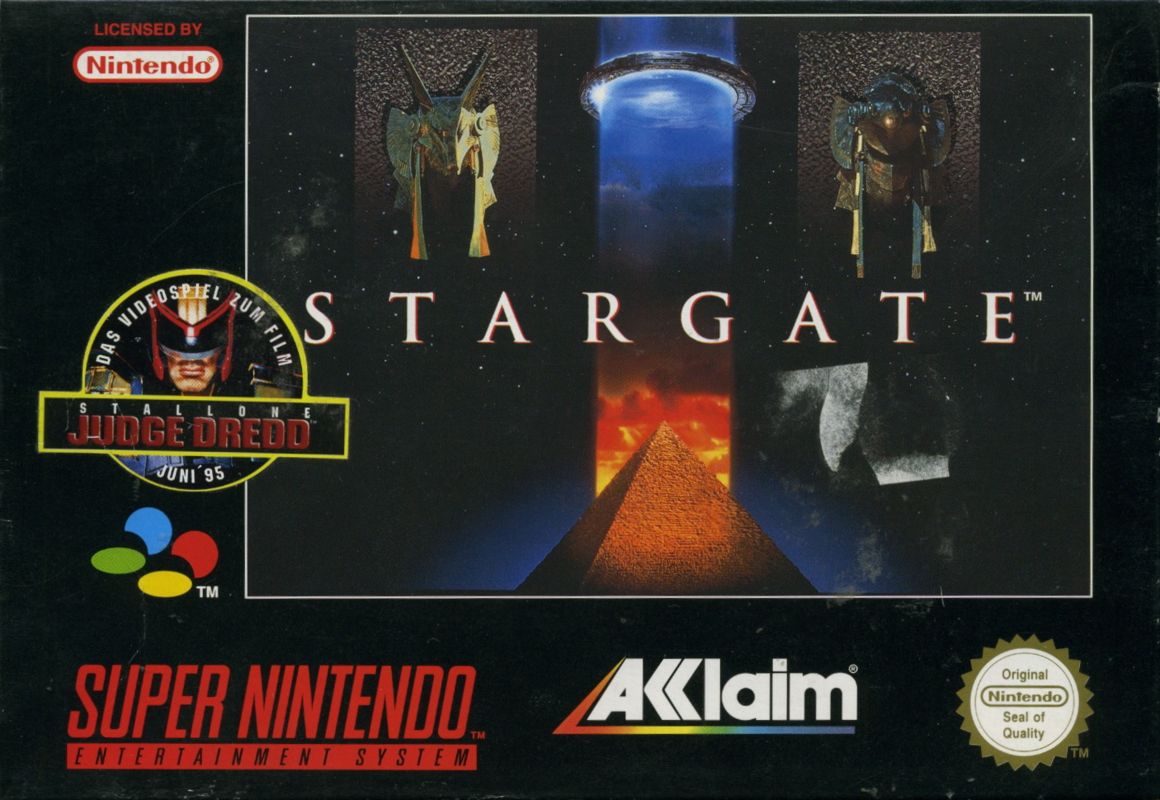
Stargate adaptation, developers translated the cinematic sci-fi aesthetic of the film into 16-bit sprite graphics, where the falcon-headed armor represents a blend of ancient mysticism and advanced alien technology. Players must navigate the guards' ranged energy attacks, making them key tactical obstacles in the game's level design.
In
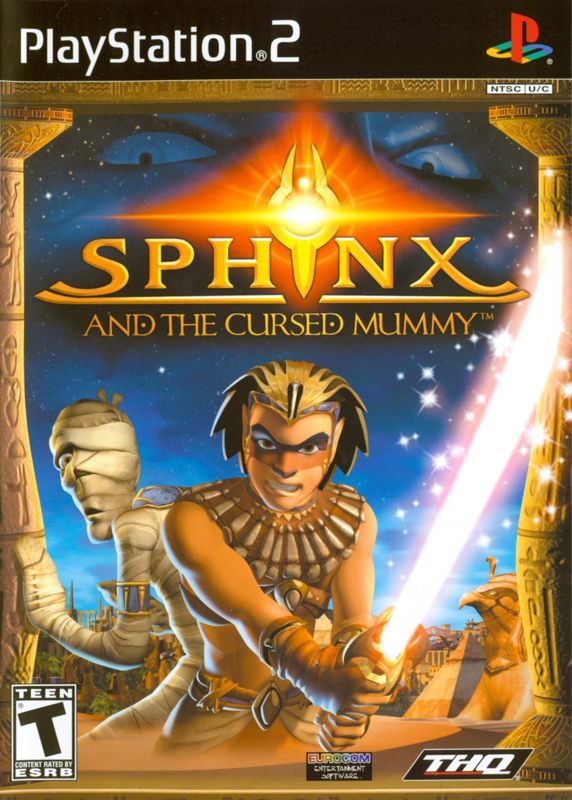
Sphinx and the Cursed Mummy, the character's role expands into a central narrative figure. This depiction utilizes 3D platforming conventions of the era, where the deity bestows magical relics and abilities upon the player character to facilitate progression. This progression system relies on the deity's canonical association with protection and kingship, translating mythological attributes into gameplay mechanics like health upgrades and quest progression. Across these diverse titles, the character bridges historical mythology and digital fantasy.
 (En,Fr,De,Es,It).png)