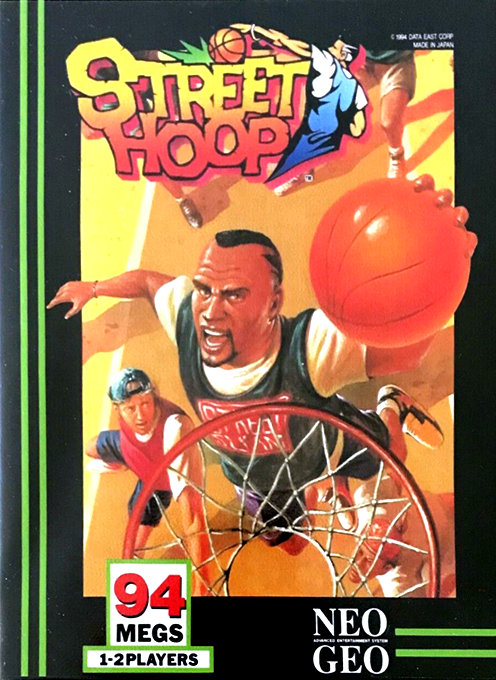
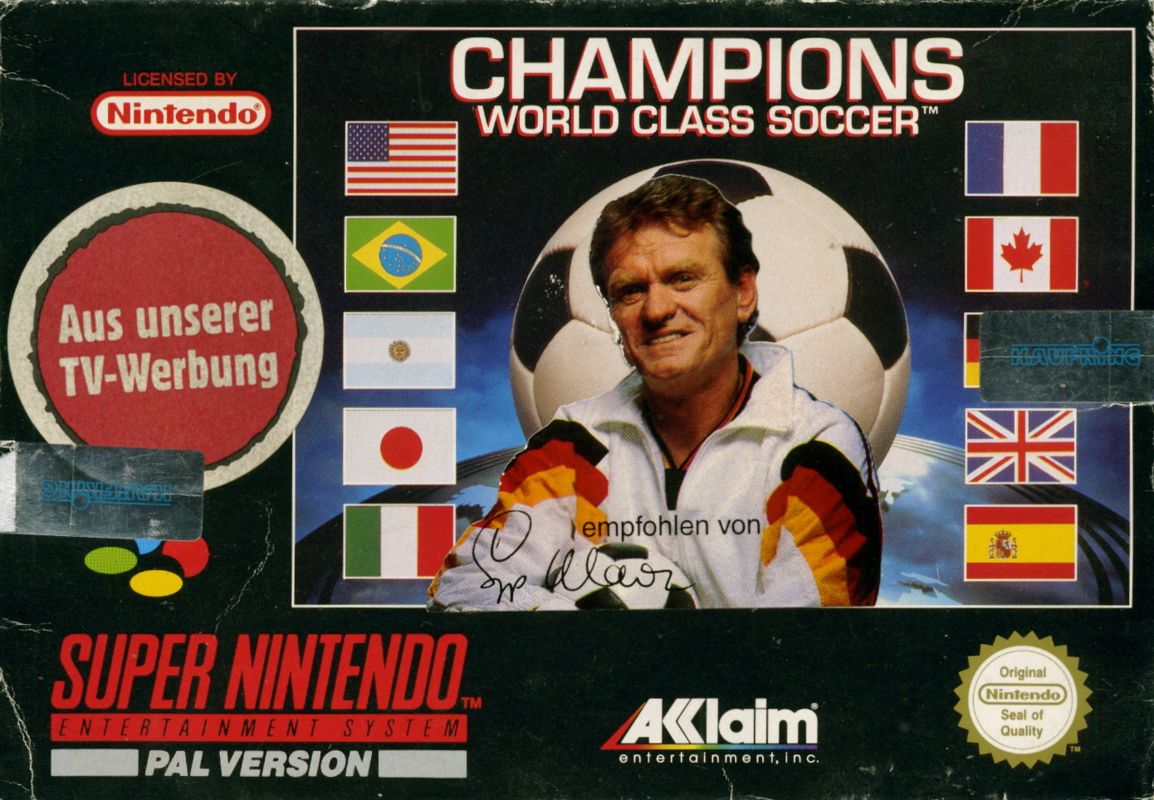
In arcade and console sports games, Japan appears as a selectable team with unique statistics and player rosters. In the 1994 basketball game Street Hoop, the Japanese team is characterized by high speed and three-point shooting accuracy. In soccer titles like World League Soccer (1992) and Champions World Class Soccer (1994), Japan is featured as a playable international squad in tournament modes.
During the early 1990s, the inclusion of the Japanese national team in Western-developed sports titles reflected the country's rising prominence in the global sporting landscape, particularly with the professionalization of its domestic soccer league. In
World League Soccer, developed by Mindscape, the team represents one of the diverse international selections available during the 16-bit era, offering players a distinct tactical matchup against established European and South American powerhouses.
For
Champions World Class Soccer, published by Flying Edge, the squad's inclusion allowed gamers to navigate the rigorous tournament brackets of international football, capitalizing on the sport's growing popularity in East Asia. Meanwhile, Data East's
Street Hoop shifted the athletic context to three-on-three street basketball. In this arcade environment, the Japanese lineup—consisting of fictional athletes—offered a high-risk, high-reward playstyle that contrasted with the physical, defense-oriented strategies of larger rival nations like the United States. Together, these appearances established a template for how Japanese athleticism was stylized and balanced in retro gaming, serving as a precursor to the fully licensed rosters of modern sports simulations.



.png)

.png)