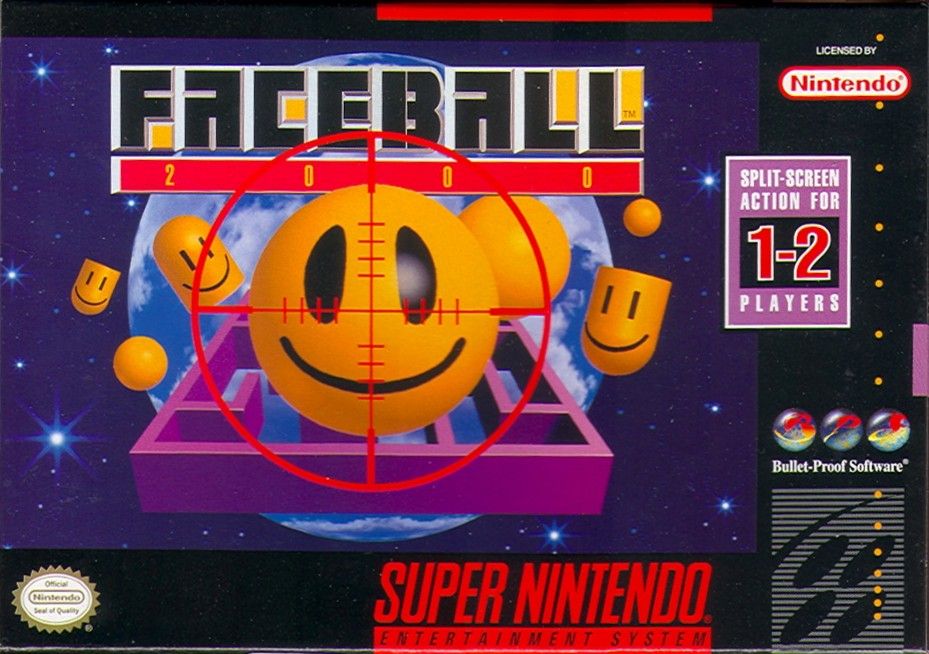
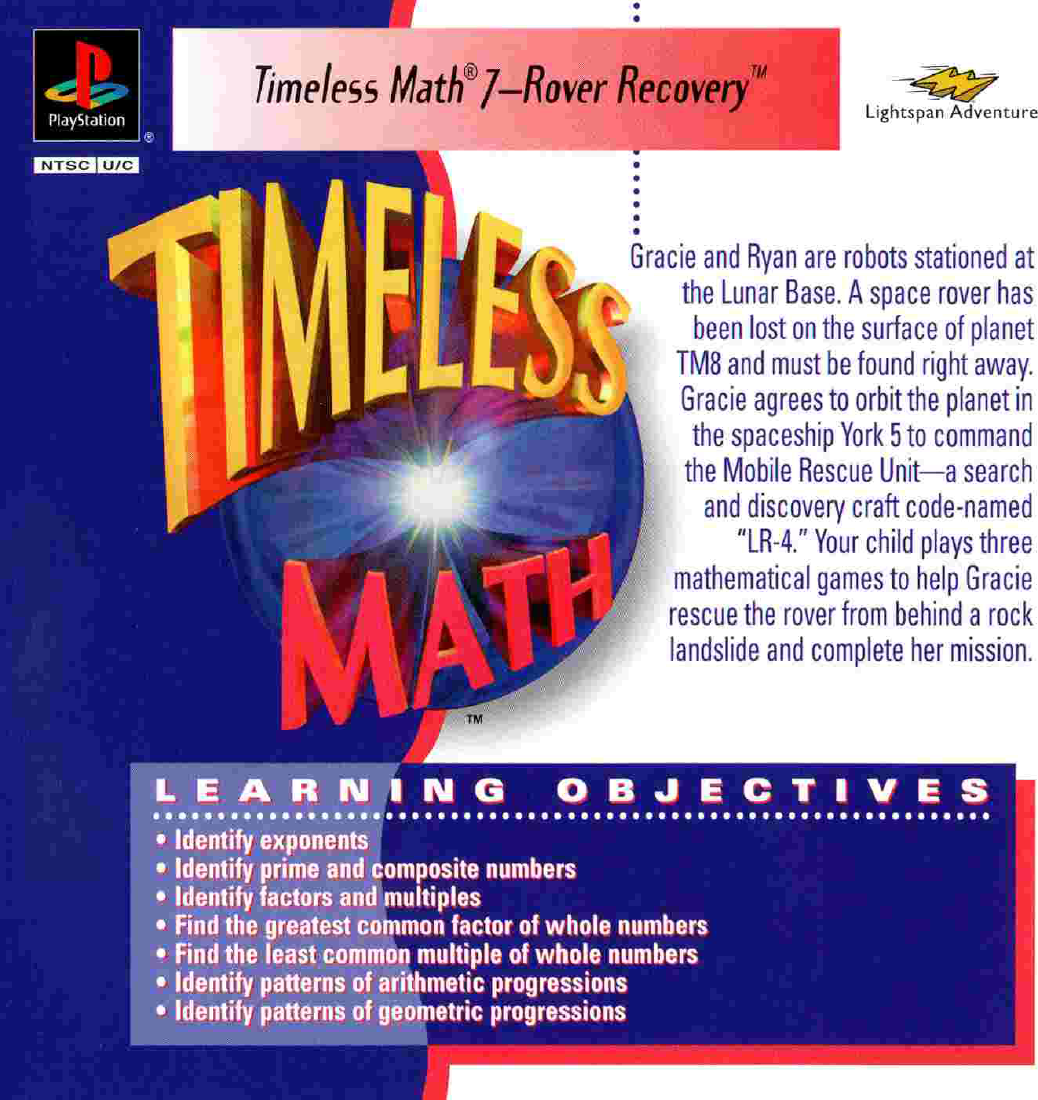
In the ZX Spectrum game Anglia Rover (1982), Rover represents a drivable vehicle. In the first-person shooter Faceball 2000 (1992), Rover appears as one of the spherical AI opponents. In the educational title Timeless Math 7: Rover Recovery (1994), Rover is a lost planetary exploration robot that players must locate using mathematical coordinates.
In the context of early British microcomputing, the vehicle in
Anglia Rover required players to manage resources such as fuel and damage while navigating grid-based maps. This simulation-heavy approach reflected the technical constraints of the ZX Spectrum platform, where tactical decision-making took precedence over real-time action.
By contrast, the spherical opponent in
Faceball 2000 served as an active combatant within the game's pioneering 3D maze environments. Operating on early handheld and console hardware, this version of the character utilized basic pathfinding algorithms to hunt players, contributing to the title's multiplayer arena dynamics.
The robotic probe in
Timeless Math 7: Rover Recovery shifted the character's role into the educational domain. Developed during the height of classroom computer integration, this iteration utilized a sci-fi rescue narrative to teach coordinate geometry. Players analyzed grid systems and mathematical equations to pinpoint the machine's location on distant planets, demonstrating how the concept of a "rover" transitioned from a mechanical simulation to an interactive teaching tool.




(Dee-Kay Systems).jpg)

(Dee-Kay Systems).jpg)