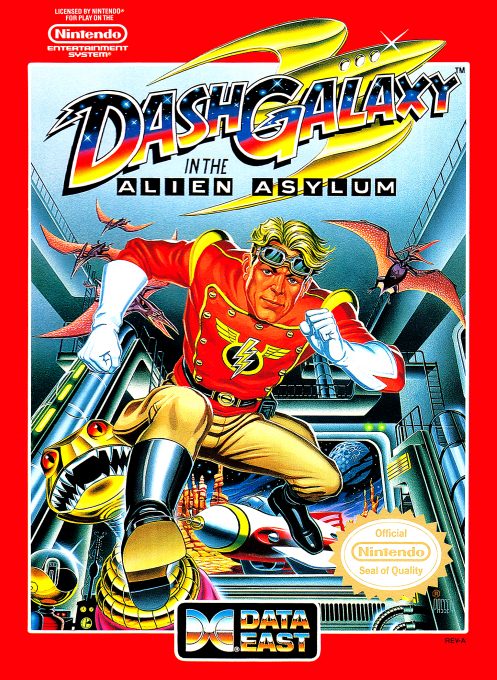
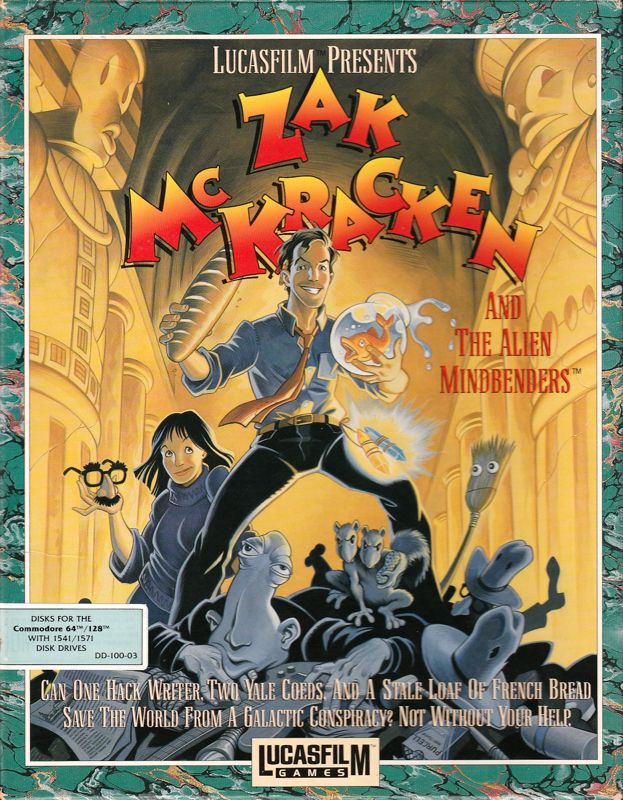
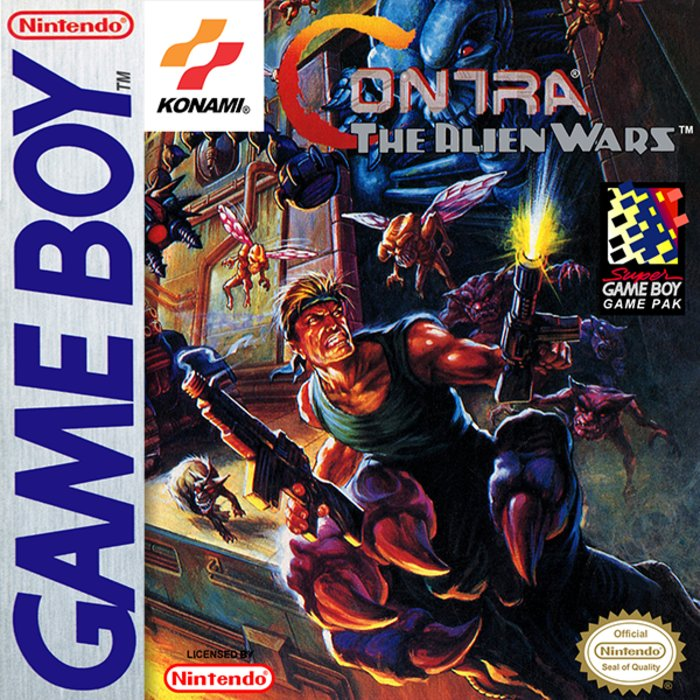
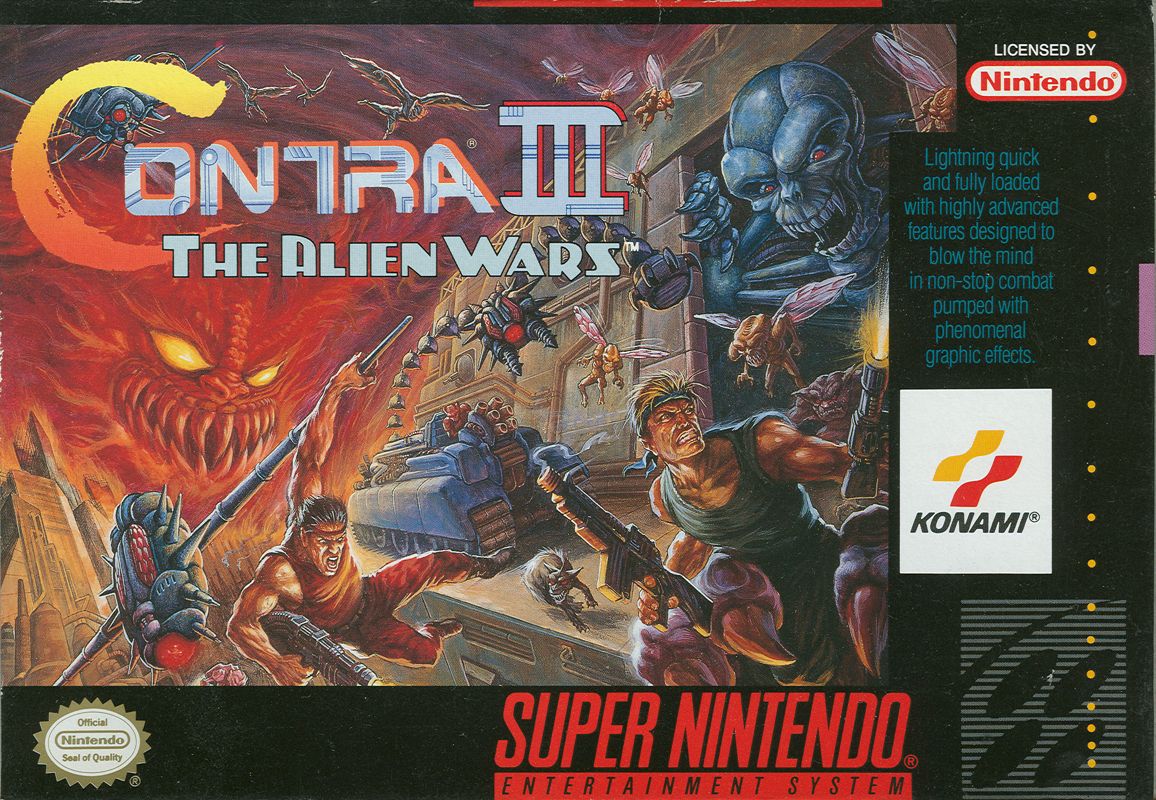
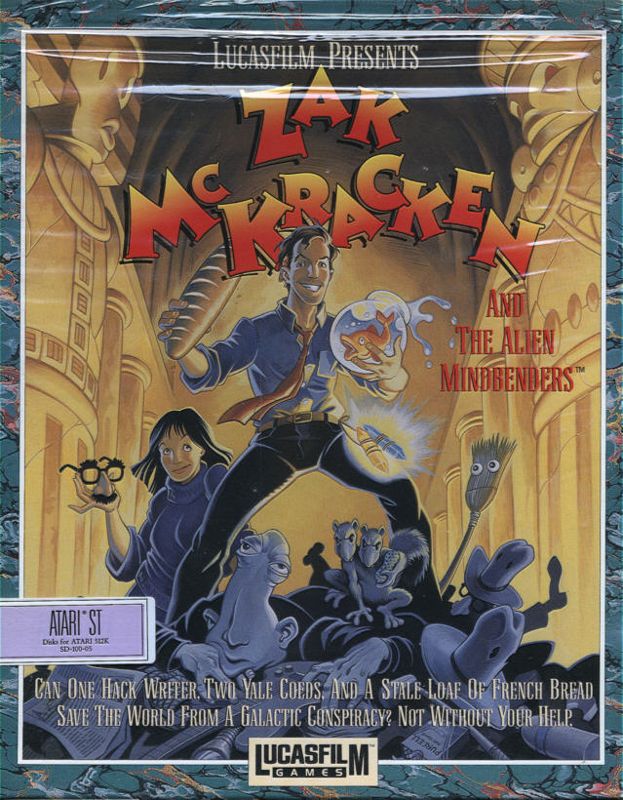
In 'Zak McKracken and the Alien Mindbenders', the aliens are the Caponians, a hostile race bent on reducing human intelligence. In 'Contra III: The Alien Wars', the alien threat is led by Red Falcon, attempting to conquer Earth. Other titles like 'Dash Galaxy in the Alien Asylum' and 'Nemesis' feature these extraterrestrial forces as primary obstacles and bosses.
The depiction of this extraterrestrial antagonist evolved significantly across early home console and computer platforms. In the 1982 release
The Alien, players navigated a grid-like spaceship to hunt a single deadly lifeform, establishing a tense, survival-oriented sci-fi atmosphere. By the late 1980s, Lucasfilm Games introduced a comedic dimension to the archetype in
Zak McKracken and the Alien Mindbenders. Released across platforms like the Commodore 64 and Amiga in 1988 and 1989, this adventure game contrasted its antagonists with the Skolarians, another ancient extraterrestrial race who left defense mechanisms on Earth and Mars.
Action-oriented titles of the early 1990s shifted the focus toward reflex-based combat. In the Nintendo Entertainment System release
Dash Galaxy in the Alien Asylum, players solved movement puzzles to escape confinement, while the 1991 Game Boy title
Nemesis integrated these cosmic foes into the broader
Gradius series lore of bio-mechanical invaders. This trend culminated in
Contra III The Alien Wars on the Super Nintendo Entertainment System, which utilized advanced graphical scaling to present massive, multi-jointed organic bosses. Across these diverse genres, the extraterrestrial threat served as a versatile narrative device, transitioning from text-and-grid suspense to complex, animated spectacles.

.png)








.png)