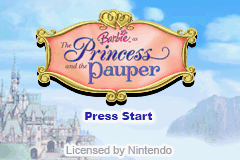
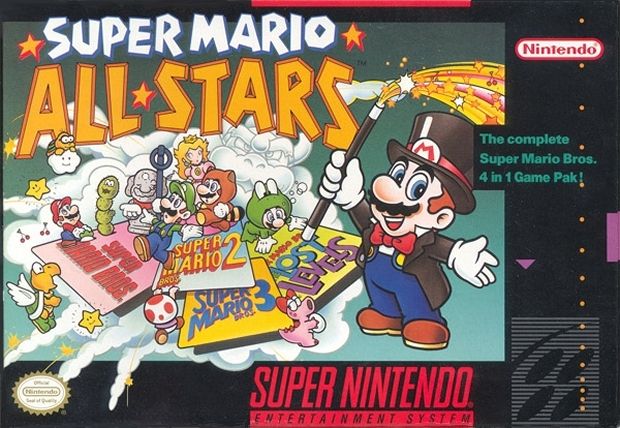
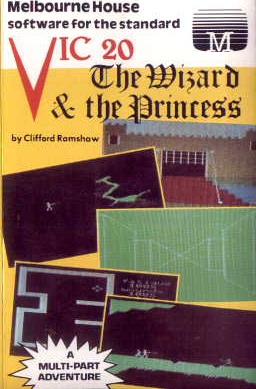
In Sierra's 1980 text adventure 'Wizard and the Princess' (rereleased in 1982 and 1986), the player must rescue Princess Priscilla from the wizard Harlin. In 'Super Mario All-Stars' (1993), the character refers to Princess Toadstool (Peach), who must be saved from Bowser. Other titles like 'Barbie as the Princess and the Pauper' (2004) feature the character in playable and narrative roles based on classic fairy tales.
The archetype of the royal captive shaped early narrative design across multiple platforms. In the various 1982 and 1986 home computer ports of
Wizard and the Princess, including the
Wizard And The Princess [LOAD'N'GO!] edition, the pursuit of the royal captive established foundational quest structures for the graphic adventure genre. This trope evolved significantly by the turn of the century. In the tactical role-playing game
Wizardry Empire II: Legacy Of The Princess (2002), the royal figure transitions from a passive objective into a central lore element that dictates the dungeon-crawling progression and faction conflicts within the Empire.
Media adaptations further diversified the character's presentation. The 2004 PlayStation Portable UMD release of
The Princess Bride brought the iconic narrative of Princess Buttercup to a portable interactive format, emphasizing romantic and heroic rescue themes. Concurrently,
Barbie as the Princess and the Pauper (2004) adapted classic literature into an interactive adventure, allowing players to manage dual identities and solve environmental puzzles. Across these diverse titles, the character transitioned from a static end-game reward to an active participant in complex fantasy world-building.
.png)
_1.png)





.png)


_(En,Fr,Es).png)



_(En,Fr,Es).png)