Digital Illusions gained early prominence by developing highly acclaimed pinball titles, including Pinball Fantasies and Pinball Illusions. They expanded their pinball portfolio with True Pinball (also released as Tekkyuu: True Pinball) in 1996. The studio eventually transitioned into a major industry developer, widely known today as DICE.
Originating from the Amiga demoscene, the developers established their reputation by pushing the hardware limits of 16-bit systems. Within the
Pinball Illusions franchise,
Pinball Fantasies (1992) introduced advanced table physics and high-quality tracker music to the Amiga, later seeing ports to MS-DOS, Super Nintendo, and Jaguar. This success paved the way for
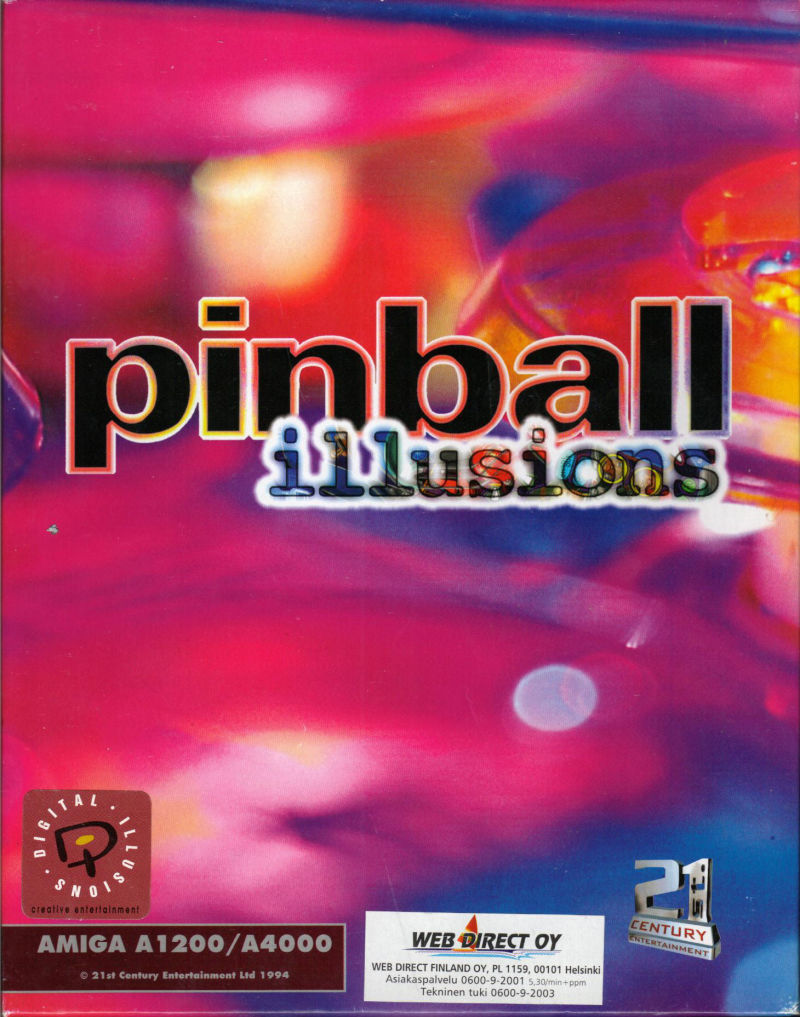
Pinball Illusions (1995), which refined the multi-ball gameplay and CD-ROM audio capabilities.
The studio's expertise in simulating physics led to their involvement with the
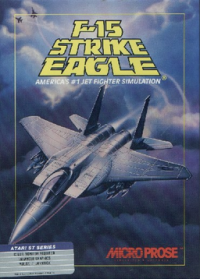
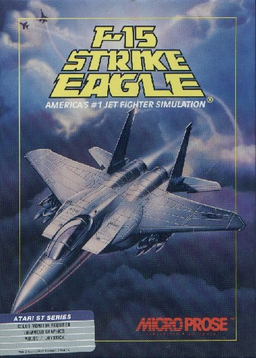
F-15 Strike Eagle franchise, specifically porting or adapting
F-15 Strike Eagle II (1988) to European home computers, showcasing their versatility beyond arcade simulations.
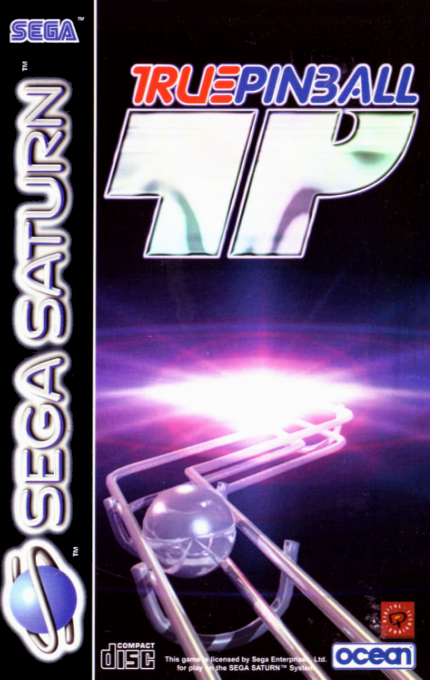
In 1996, the developer transitioned to 3D console hardware with
True Pinball (also released as
True Pinball [Platinum] and in Japan as
Tekkyuu: True Pinball or
Tekkyuu - True Pinball). Released for the PlayStation and Sega Saturn, these titles utilized real-time 3D environments and multiple camera angles, representing a major technological leap for the
Pinball Illusions lineage before the studio shifted focus toward mainstream racing and shooter genres.


.png)

 (DSI).png)




.png)
.png)
.png)

.png)
 (AGA).png)







.png)

 (AGA).png)