The Leland Corporation was an American video game developer that gained prominence in the arcade market. They developed the highly successful racing game Ivan 'Ironman' Stewart's Super Off Road, which was later ported to numerous home consoles in the early 1990s. The company followed this success with another isometric racing title, Danny Sullivan's Indy Heat, in 1992.
The development of
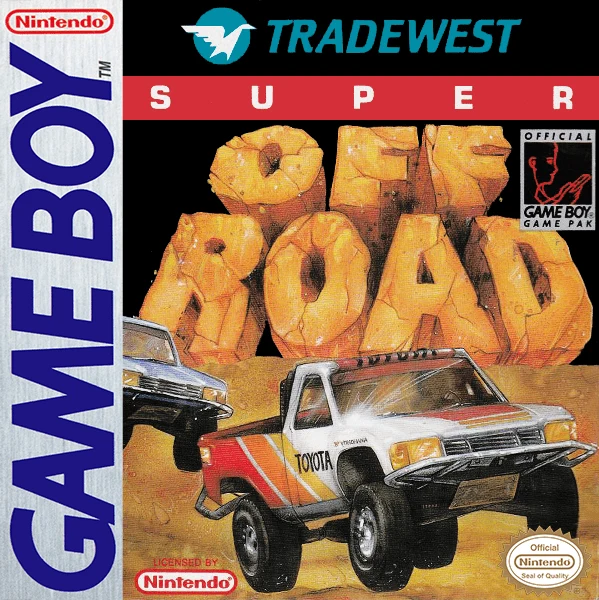
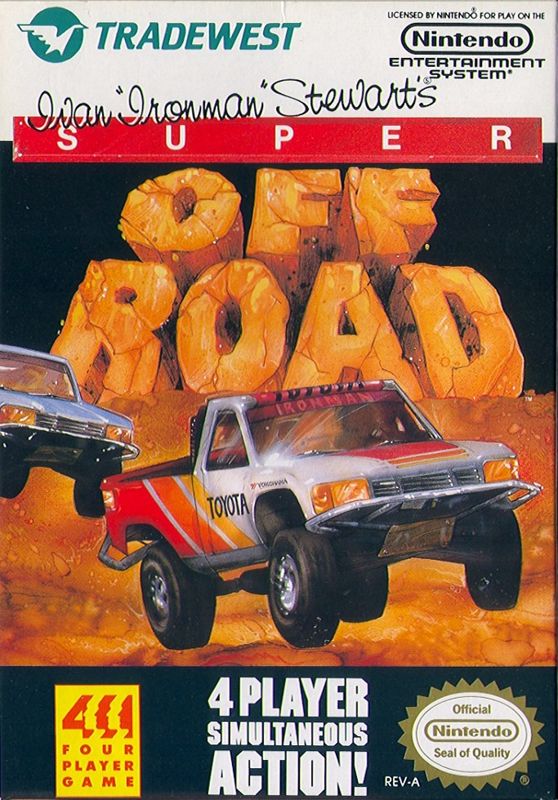
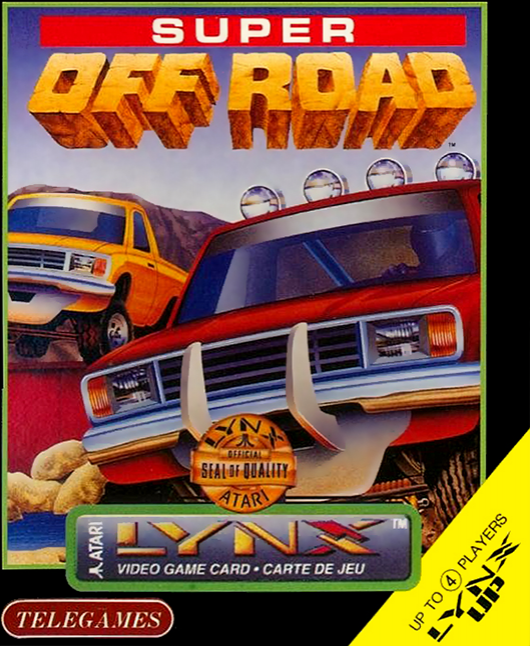
Super Off Road (1990) for the Nintendo Entertainment System initiated a major home console expansion for the franchise. This was followed by three distinct adaptations of
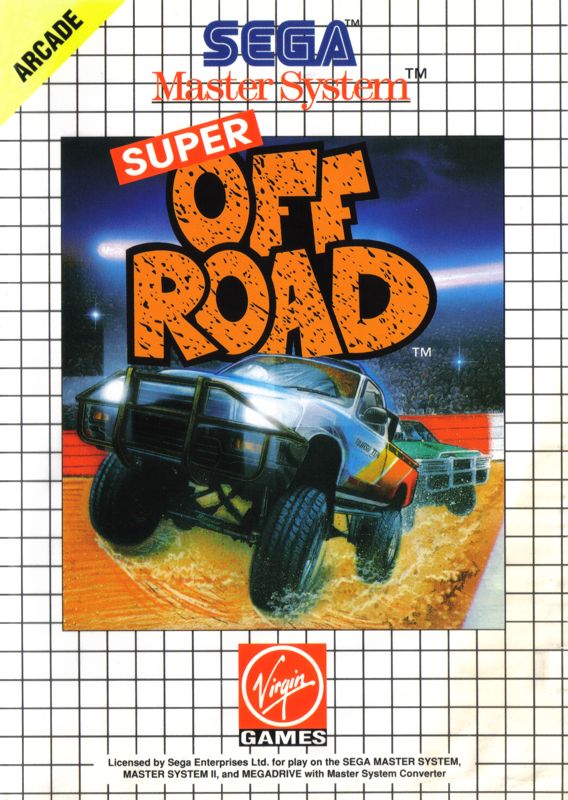
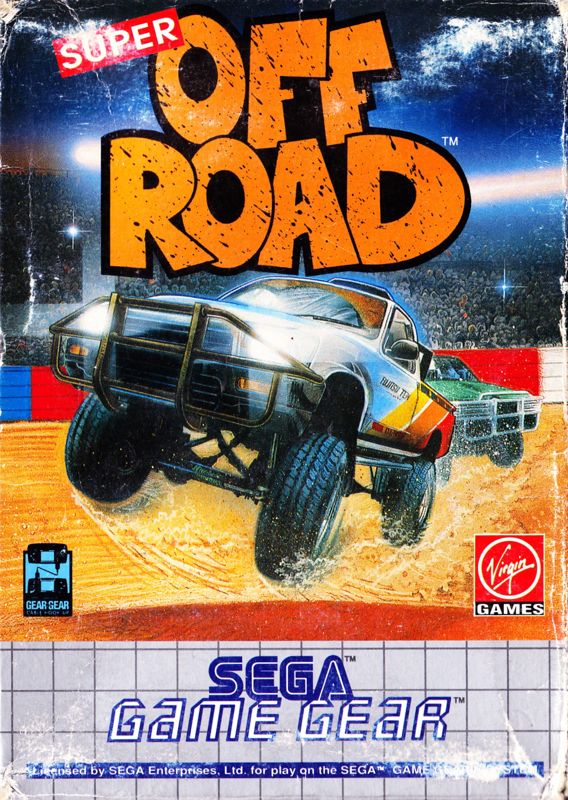
Super Off Road (1991) released across various home computers and handheld systems, and three subsequent versions of
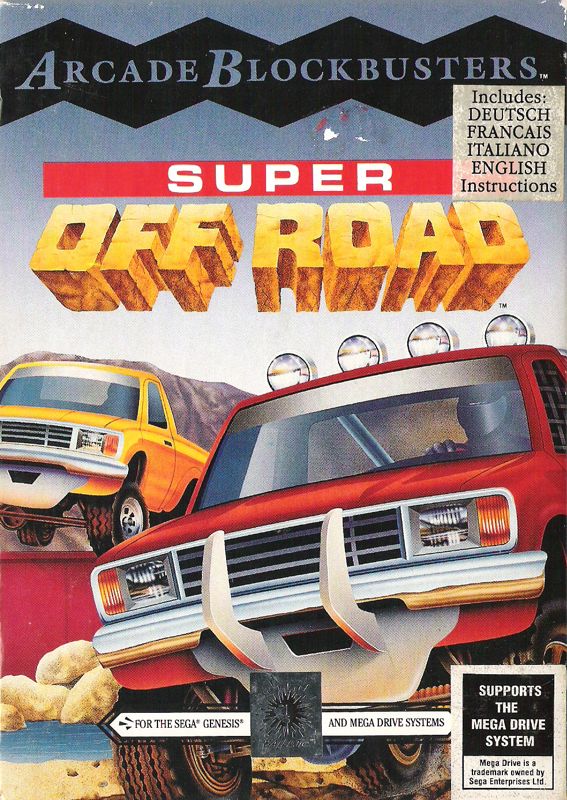
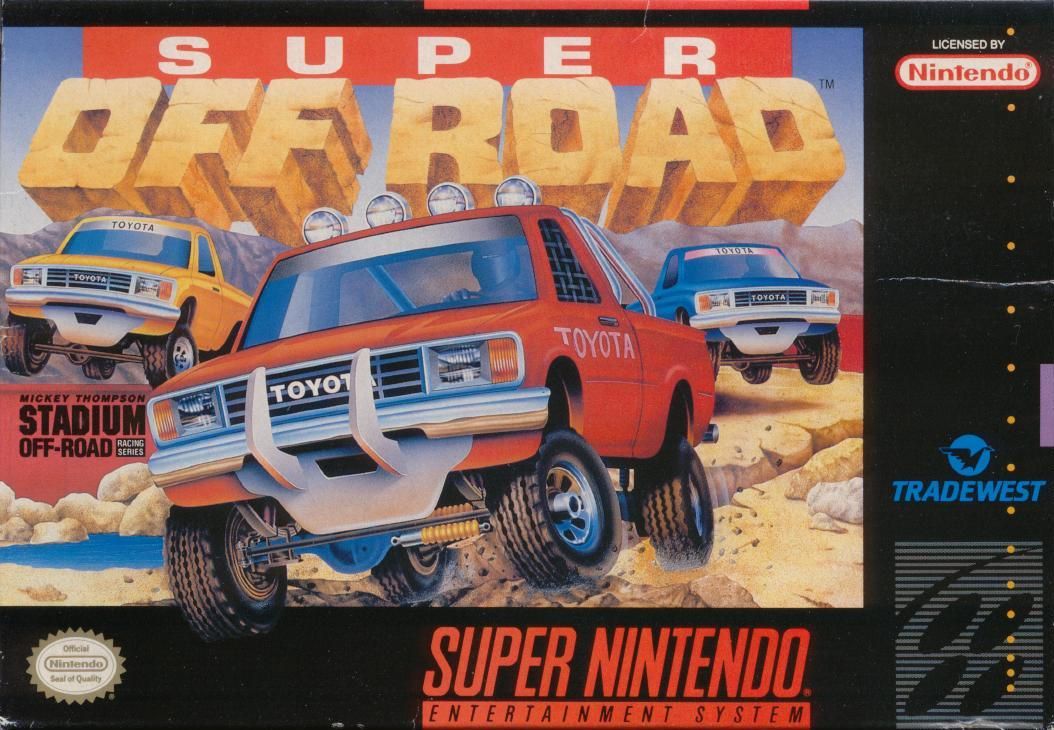
Super Off Road (1992) tailored for 16-bit platforms. These titles utilized a high-angle perspective and a shared-screen multiplayer format, where players competed on short, obstacle-filled dirt tracks. A core mechanic across these releases was the accumulation of prize money to purchase vehicle upgrades, such as nitro boosts, acceleration, shocks, and tires, which allowed players to customize their trucks between heats.
This progression system and camera style carried directly into
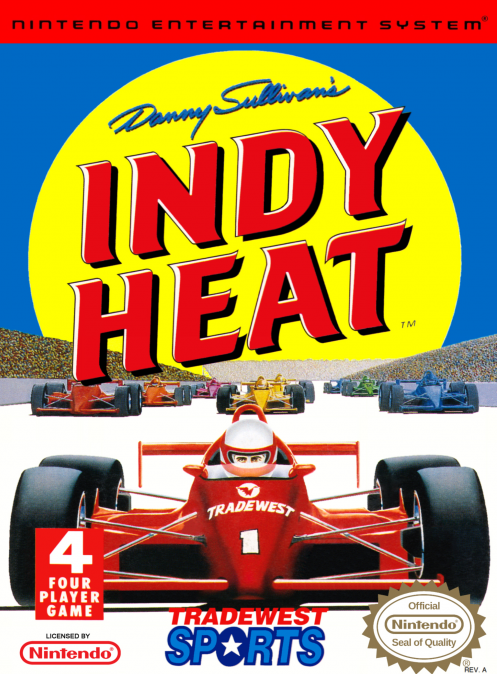
Danny Sullivan's Indy Heat (1992), which adapted the established formula to open-wheel pavement racing. Featuring pit stop mechanics for refueling and damage repair,
Danny Sullivan's Indy Heat (1992) expanded the multiplayer dynamic to support up to four players simultaneously. Through these interconnected releases, the developer established a signature style of accessible, upgrade-driven multiplayer racing that defined their output during this era.











.png)

.png)