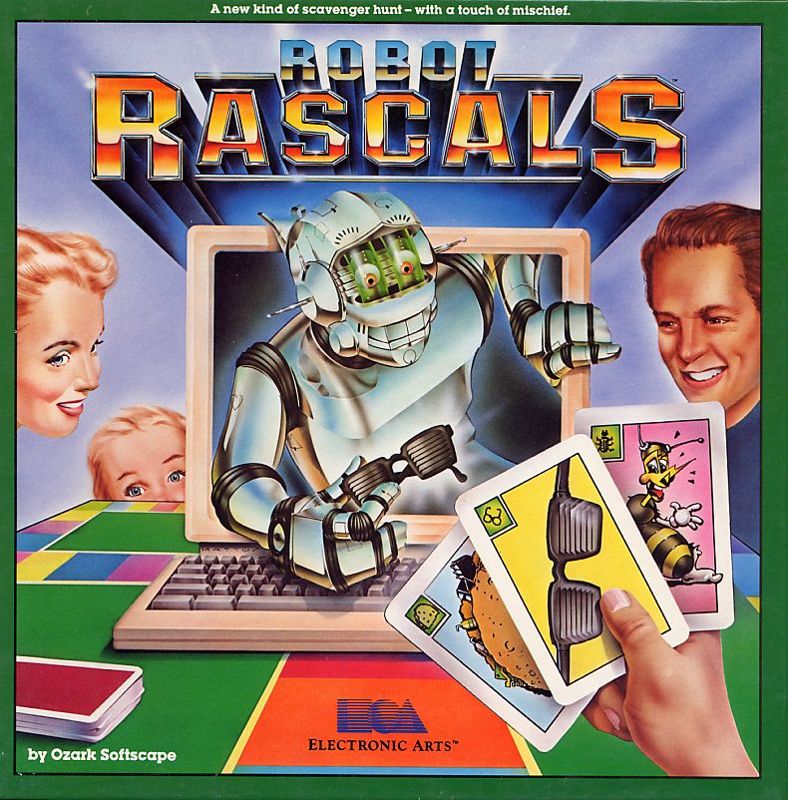
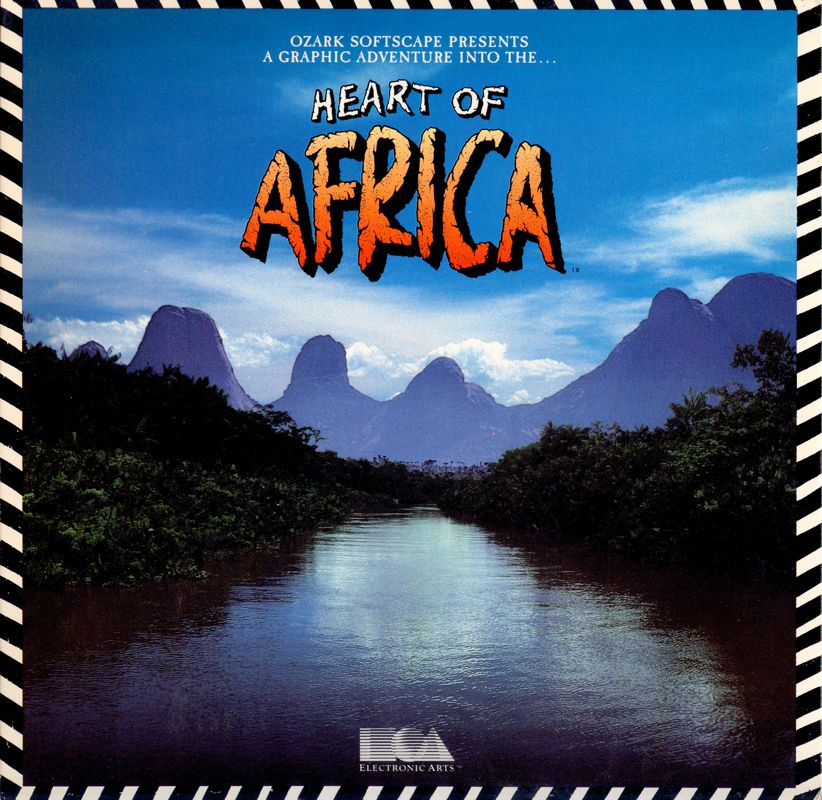
Ozark Softscape was a pioneering development team founded by Danielle Bunten Berry (formerly Dan Bunten) and others. The studio created highly influential strategy and simulation titles for Electronic Arts, including the seminal multiplayer game M.U.L.E., the exploration games Seven Cities of Gold and Heart of Africa, and the early digital-physical hybrid game Robot Rascals.
Operating out of Little Rock, Arkansas, the design collective emerged from the success of the 1981 computer game Cartels & Cutthroats. The team's design philosophy prioritized cooperative play and procedural generation, which defined their mid-1980s output.
With
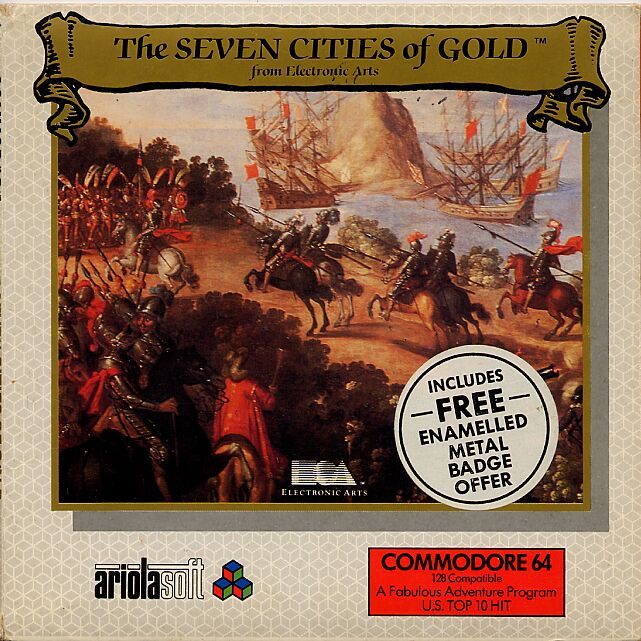
Seven Cities of Gold (1984), the studio pioneered the open-world exploration genre, utilizing randomized map generation that directly inspired future industry landmarks. This formula was refined in
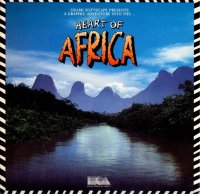
Heart of Africa (1985), which introduced more complex survival mechanics and historical role-playing elements. The studio experimented with physical-digital integration in
Robot Rascals (1986), a family-oriented game that required a physical deck of cards to play alongside the computer simulation.
While their early catalog targeted home computers like the Atari 8-bit family and Commodore 64, the studio adapted to the console market with the release of
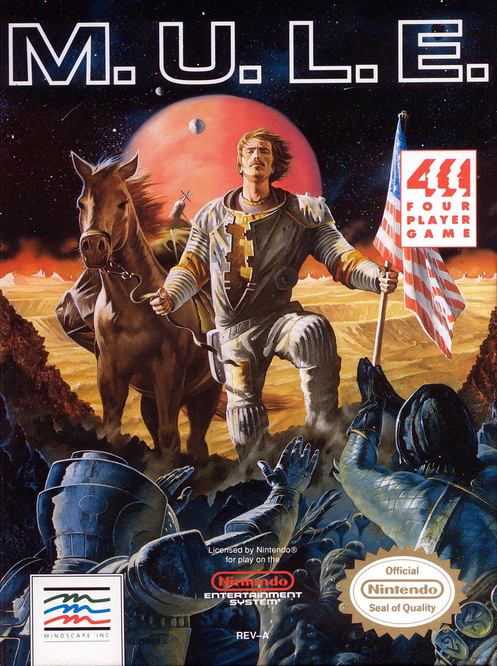
M.U.L.E. (1990) for the Nintendo Entertainment System. This port preserved the complex economic simulation and competitive four-player dynamics of the original 1983 release, introducing the property-trading classic to a new generation of console gamers before the studio eventually disbanded.