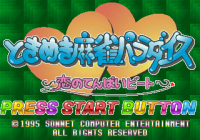
Sonnet developed the mahjong simulation games Tokimeki Mahjong Paradise and Tokimeki Mahjong Graffiti in the mid-1990s. The developer is also known for creating the Nightruth visual novel franchise, which includes Nightruth: Maria, Nightruth Voice Selection: Radio Drama Hen, and Nightruth: Futatsu Dake no Shinjitsu.
Operating during the 32-bit console era, the developer targeted the Japanese home console market by leveraging the CD-ROM capabilities of the Sega Saturn and Sony PlayStation.
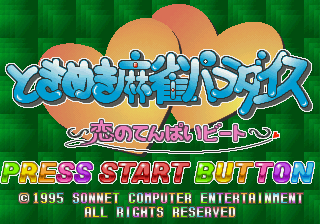
Tokimeki Mahjong Paradise and
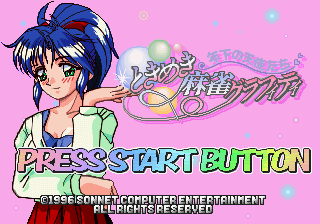
Tokimeki Mahjong Graffiti integrated traditional four-player mahjong mechanics with anime-style character designs and voice acting, capitalizing on the era's booming subgenre of bishojo-themed table games.
The transition to the
Nightruth intellectual property marked a shift toward supernatural suspense and occult mystery.
Nightruth: Maria utilized a digital novel format, relying on atmospheric sound design, static character portraits, and branching text paths to deliver its narrative. To deepen player engagement,
Nightruth Voice Selection: Radio Drama Hen focused heavily on the performances of its voice cast, reflecting the late-1990s industry trend of promoting voice talent through multimedia releases. This narrative-driven approach concluded with
Nightruth: Futatsu Dake no Shinjitsu, which refined the choice-based mechanics of its predecessor. Together, these releases represent the highly specialized, narrative-heavy software catalog that defined Japan's fifth-generation console library.
.png)
.png)
.png)

.png)

.png)
.png)