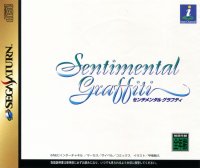
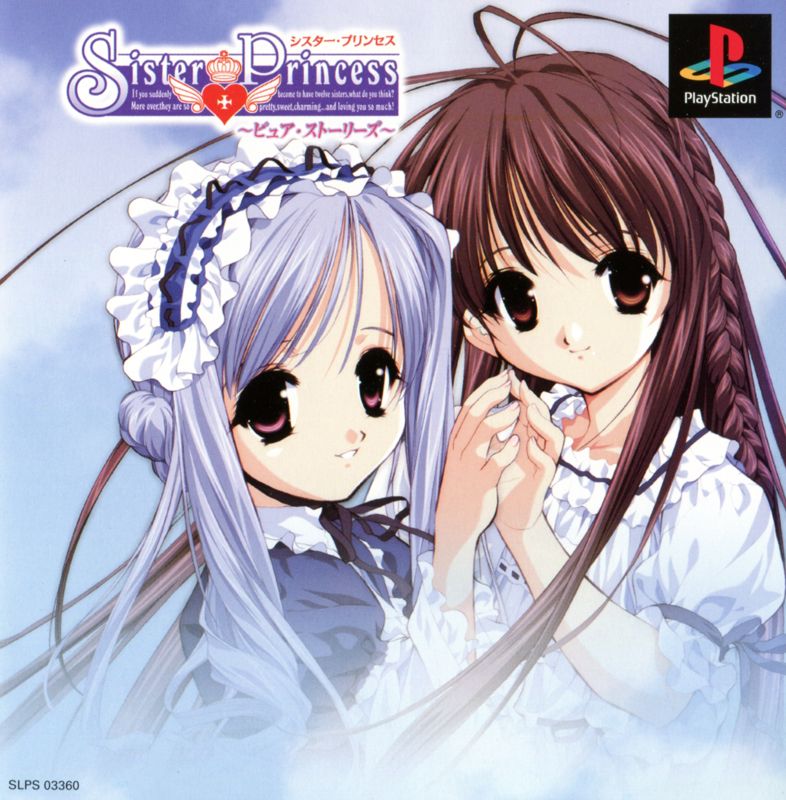
Stack is a Japanese game development company that worked on prominent bishoujo and adventure titles during the late 1990s and early 2000s. The studio developed the Dreamcast port of Sentimental Graffiti (1998) and Mercurius Pretty: End of the Century (2000). They were also heavily involved in developing multiple entries in the Sister Princess series, including Sister Princess: Pure Stories, Sister Princess, and Sister Princess 2.
The transition of
Sister Princess from a popular
Dengeki G's Magazine reader-participation feature into a successful console franchise relied heavily on translating complex multi-character dynamics into interactive gameplay. For these adaptations, development focused on managing twelve distinct heroine routes, utilizing intricate branching dialogue trees and daily schedule-management systems to simulate sibling interactions. These mechanics became a defining feature of the franchise's digital adaptations on the PlayStation platform.
In executing these high-profile media mix projects, the studio collaborated closely with publishers MediaWorks and NEC Interchannel. This partnership extended to refining the travel-based dating simulation mechanics of the
Sentimental Graffiti universe, which required rendering expansive domestic travel itineraries and localized narrative events. Technically, the production of these titles utilized specialized visual novel engines capable of handling extensive voice-acting libraries and synchronized character portraits. This technical framework helped establish industry standards for console-based adventure games during this era, ensuring that the visual fidelity of the original magazine illustrations was preserved in the interactive software.
 (Disc 2) (Shokai Genteiban).png)
.png)
.png)

 (Disc 2) (Shokai Genteiban).png)

.png)


.png)