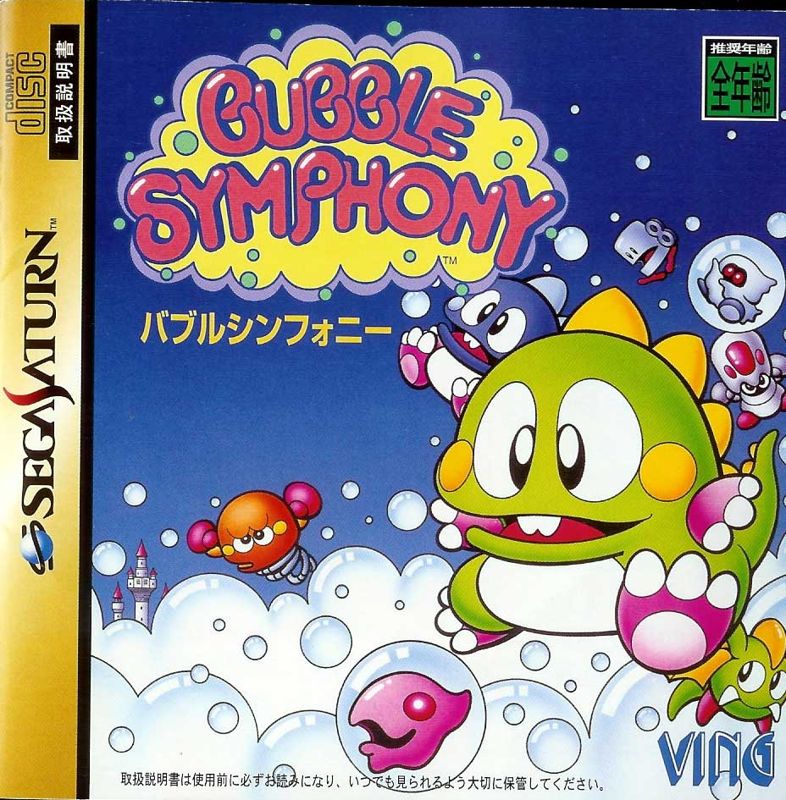
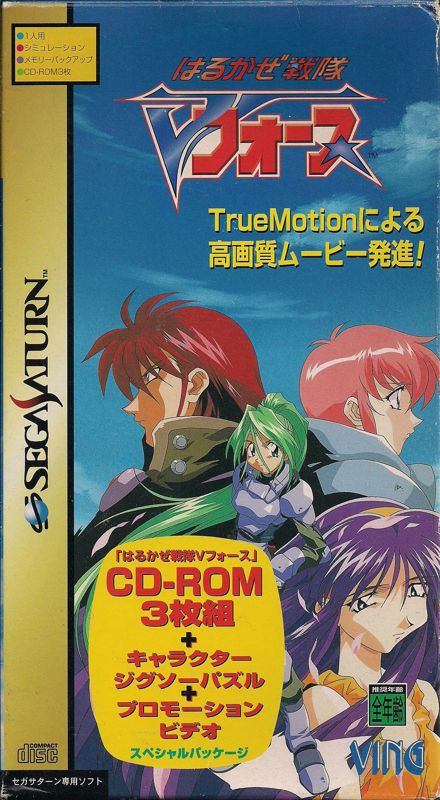
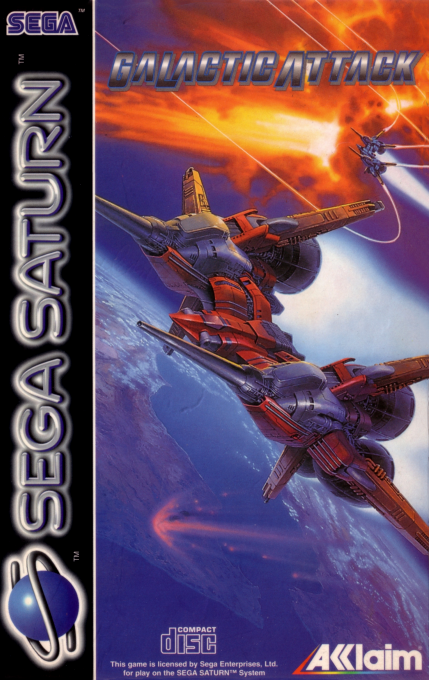
Ving was a Japanese developer and publisher that specialized in bringing arcade titles to 32-bit home consoles. The company developed the Sega Saturn ports of Taito's RayForce, released as Layer Section and Galactic Attack in 1995, as well as Bubble Symphony in 1997. Ving also developed and published the sci-fi simulation game Harukaze Sentai V-Force in 1997.
During the 32-bit era, the developer's reputation was cemented by its technical proficiency in translating complex arcade hardware to home systems. For the
RayForce franchise, the conversion of
Layer Section (released internationally as
Galactic Attack) was highly regarded for preserving the intense scaling effects and vertical-scrolling gameplay of Taito's F3 arcade board. Ving implemented a dedicated vertical screen mode (Tate) to accommodate purists, a feature that became a benchmark for shooter ports. This technical relationship with Taito continued with
Bubble Symphony, where the developer successfully replicated the detailed 2D sprite animations and branching level paths of the
Bubble Bobble sequel, maintaining the cooperative multiplayer experience without performance degradation.
Expanding beyond arcade adaptations, the studio ventured into original intellectual properties with
Harukaze Sentai V-Force. This title combined tactical turn-based strategy with visual novel elements, utilizing the CD-ROM format of the Sega Saturn and PlayStation to deliver extensive voice acting and anime cutscenes. Through these specific releases, the developer carved out a niche as a crucial bridge between arcade preservation and the evolving demands of 1990s home console gamers.
.png)




.png)