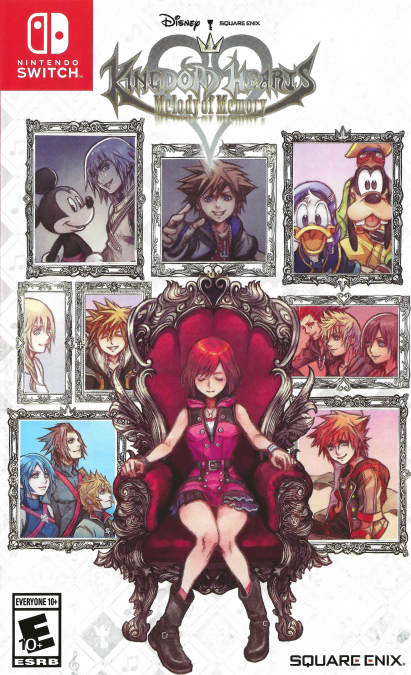
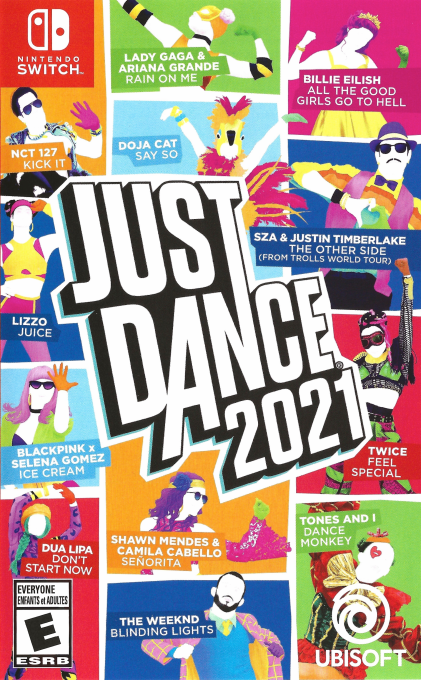
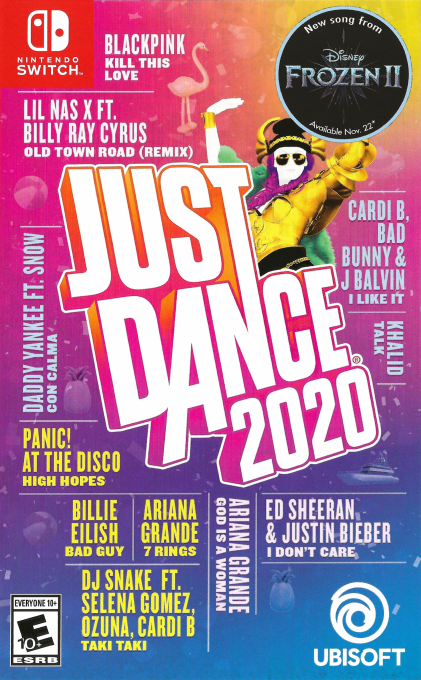
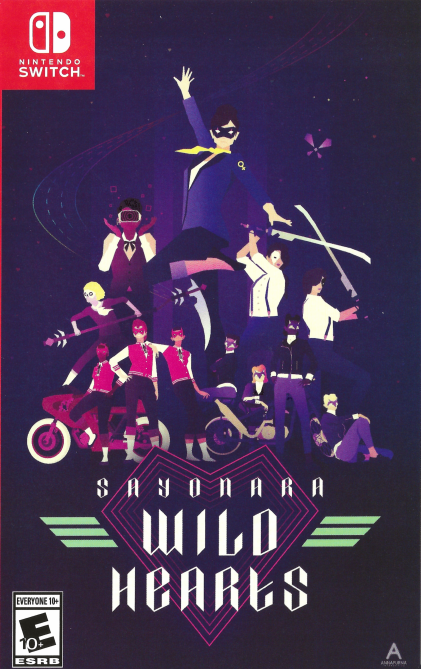
Rhythm games challenge players' sense of timing by requiring them to execute actions corresponding to audio cues and visual prompts. Originating in the late 1990s with pioneering titles like PaRappa the Rapper and Beatmania, the genre expanded through peripheral-based arcade and home console hits like Dance Dance Revolution and Guitar Hero. In the modern era, the genre has diversified into virtual reality experiences, indie rhythm-action hybrids, and mobile titles.
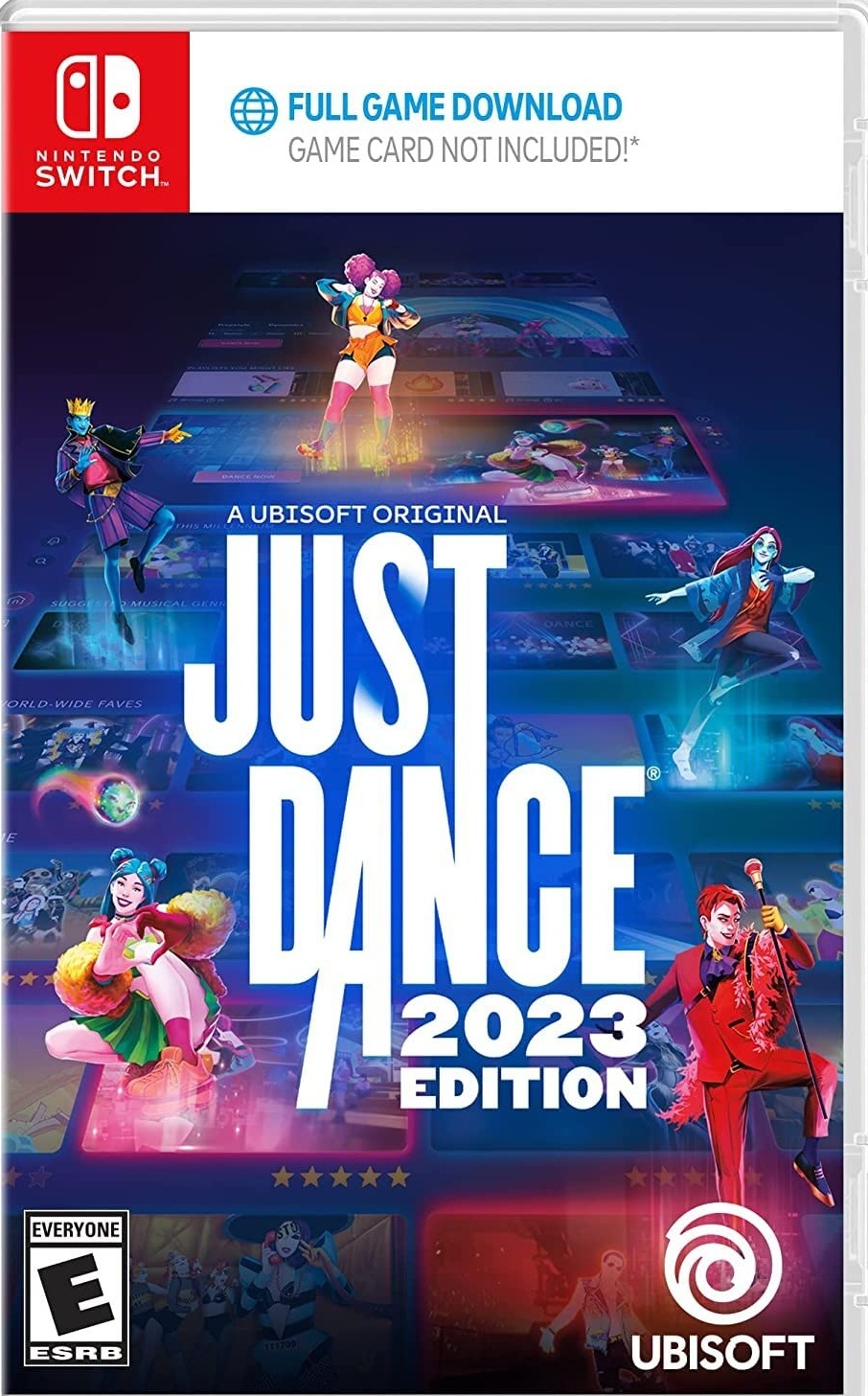
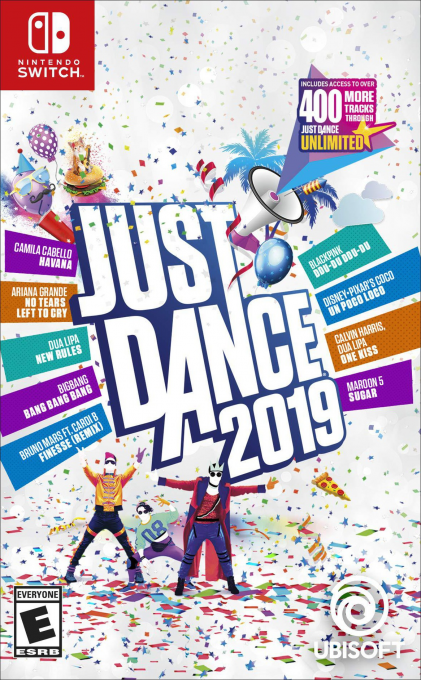
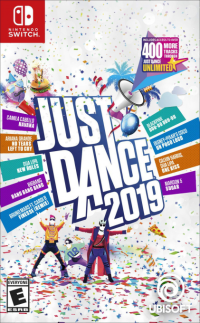
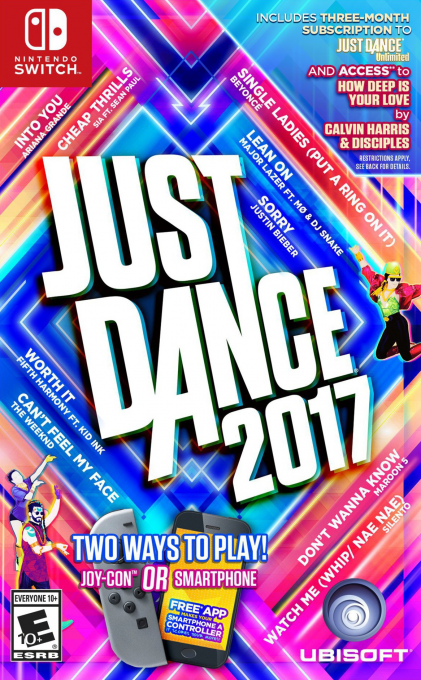
Following the saturation of the plastic instrument market in the late 2000s, the genre adapted by embracing accessible hardware and diverse control schemes. Ubisoft's
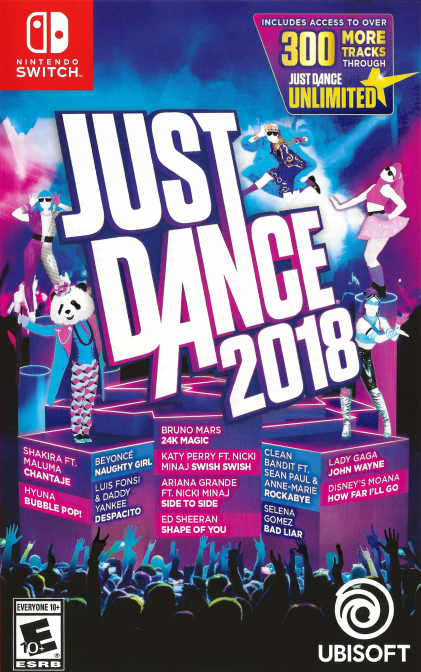
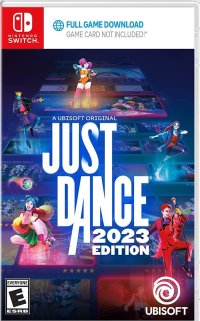
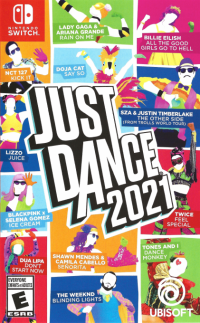
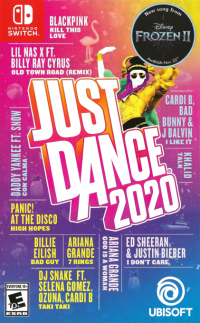
Just Dance franchise, exemplified by
Just Dance 2017, capitalized on camera and motion-sensing technology to bring accessible choreography into living rooms worldwide.
In the late 2010s and early 2020s, developers increasingly blended rhythm mechanics with other genres.
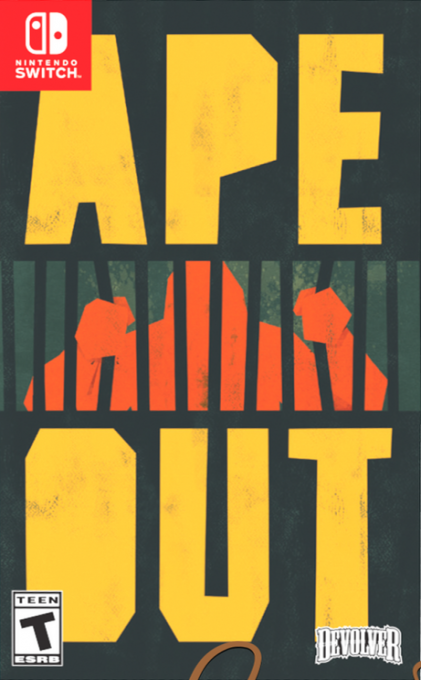
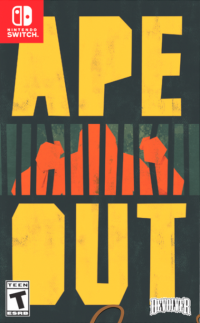
Ape Out (2019) utilized a dynamic, procedural jazz soundtrack that reacted directly to the player's violent escapes, showcasing how percussion could dictate the pacing of an action game. Concurrently, traditional beat-matching evolved to celebrate specific artists and electronic subgenres.
AVICII Invector (2020) and its expanded
Avicii Invector: Encore Edition (2020) combined futuristic racing aesthetics with the discography of the late DJ, requiring players to navigate tracks in sync with synth-heavy melodies.
Today, the genre thrives on this hybridization. By embedding rhythmic timing into first-person shooters, roguelikes, and puzzle games, contemporary designers have transformed rhythm from a standalone novelty into a fundamental mechanic that enhances player immersion across the entire gaming landscape.