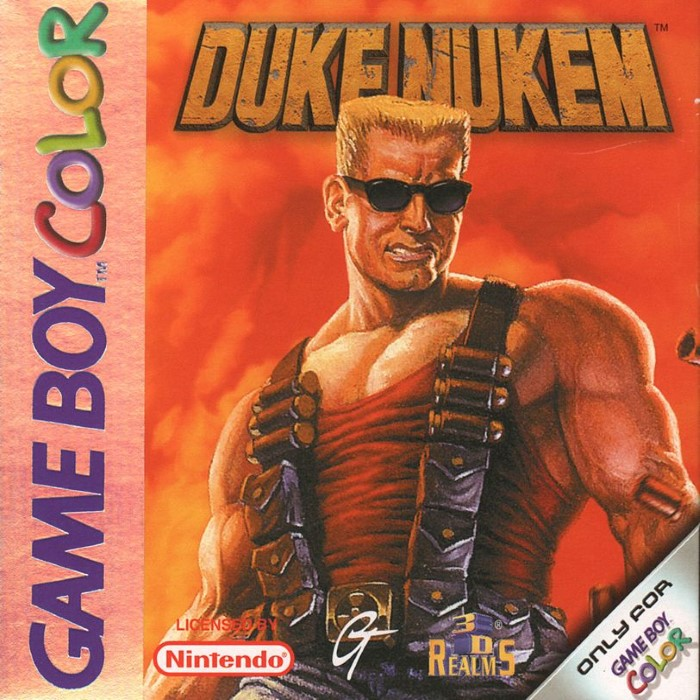
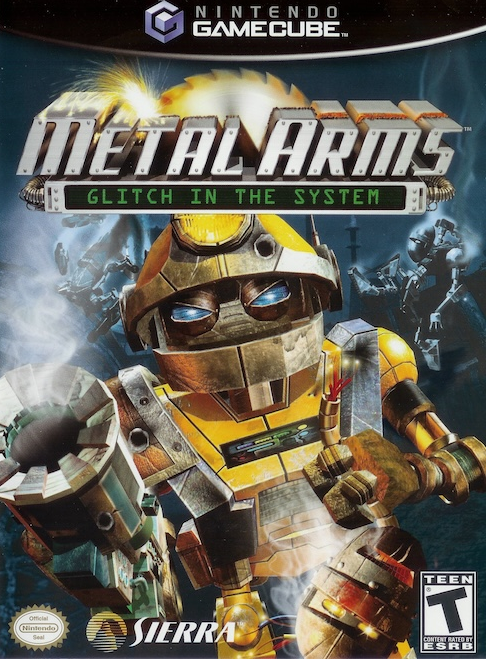
In Toy Story 2: Buzz Lightyear to the Rescue!, batteries are scattered throughout levels as essential collectibles that power up devices or are traded for Pizza Planet Tokens. In Metal Arms: Glitch in the System, batteries serve as vital energy sources to replenish the health of the robotic protagonist, Glitch. The item also appears as a power-up or objective in Duke Nukem (1999) and RC Revenge.
The concept of the battery as an interactive element dates back to early platformers and action titles within these classic series. In the 1993 side-scroller
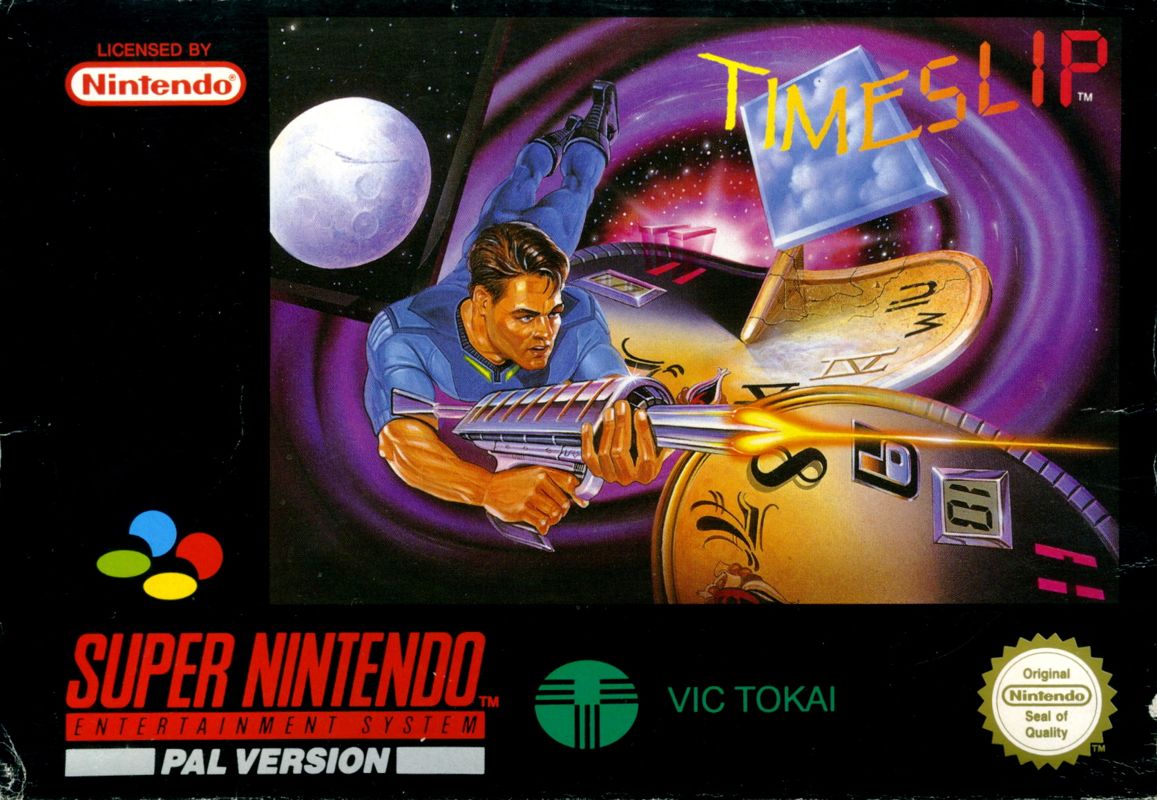
Timeslip, players navigate temporal zones where energy cells dictate survival. This mechanical reliance on portable power carried into the handheld port of
Duke Nukem (1999) and the sci-fi environments of
Star Wars Dark Forces (1996), where electronic cells function as critical stage assets.
Within vehicular and robotic-themed releases of the early 2000s, the item transitioned into a core gameplay driver. In the racing titles
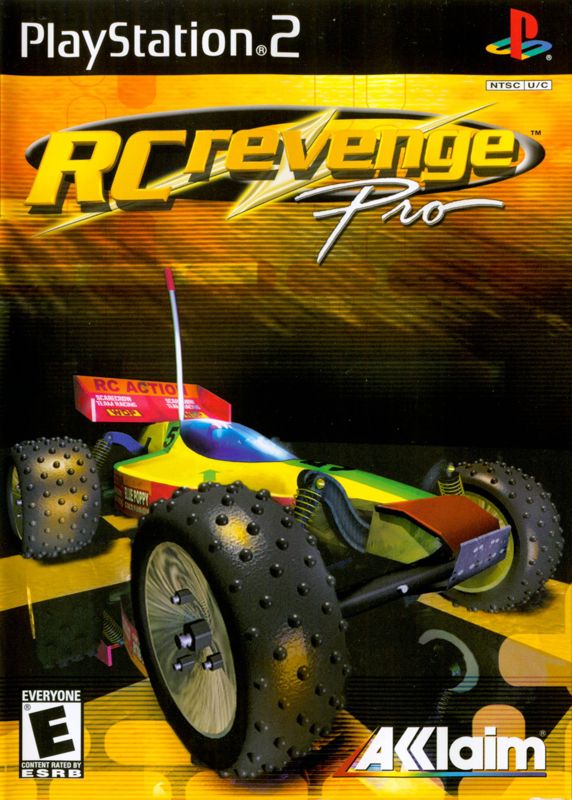
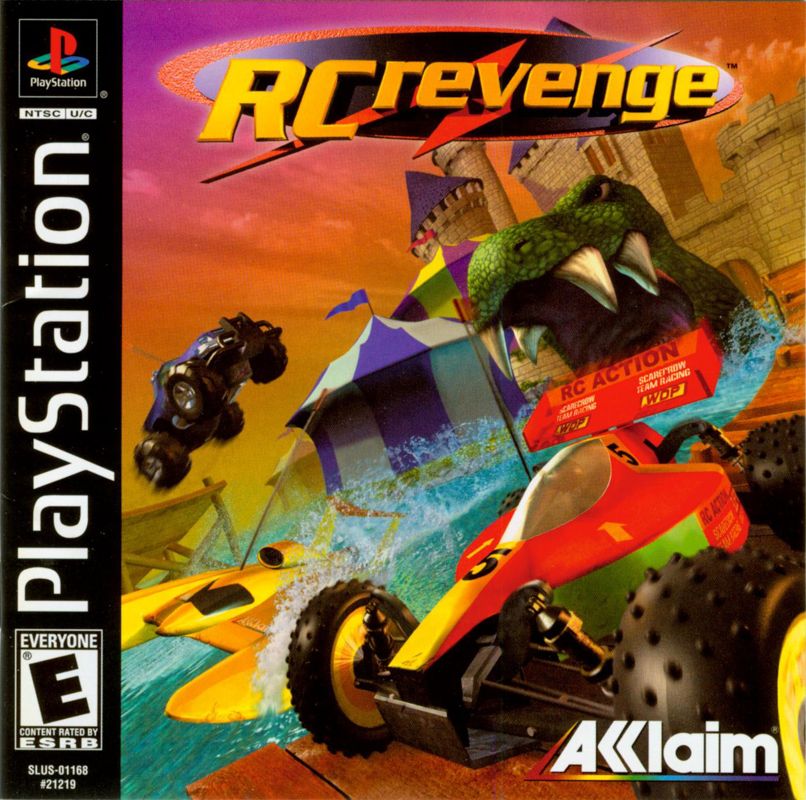
RC Revenge (2000) and
RC Revenge Pro (2000), batteries serve as thematic fuel and speed-boosting elements tailored to the remote-controlled aesthetic. This utility is mirrored in the
Toy Story franchise's interactive adaptations, where the item aligns with the plaything narrative. By the release of
Metal Arms Glitch in the System (2003), the battery had evolved from a simple HUD-replenishing pickup into a highly sought-after resource integrated directly into the combat and exploration loops of third-person shooter design.

 (En,Fr,De,Es,It).png)







.png)


.png)
.png)


.png)
 (En,Fr,De,Es,It).png)
.png)

.png)