In the Looney Tunes franchise, Carrots serve as a primary item for restoring health or as a collectible currency. In games like Bugs Bunny Rabbit Rampage and Bugs Bunny and Taz Time Busters, they are vital for keeping Bugs Bunny healthy, while also appearing as collectible items in Looney Tunes (1999) and Looney Tunes Collector: Martian Alert.
Originating as a direct translation of Bugs Bunny's iconic cartoon diet, the item's implementation evolved across different console generations and developers. In the 16-bit era,
Bugs Bunny Rabbit Rampage distributed them throughout stages as both immediate recovery and point-scoring incentives, often hidden inside destructible crates. By the release of
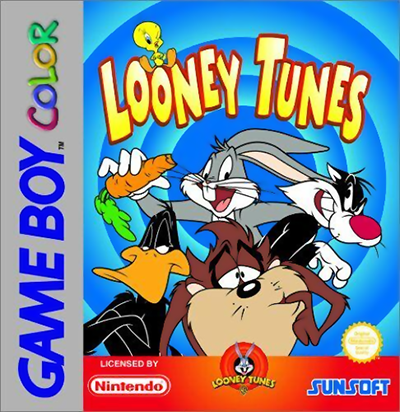
Looney Tunes on the Game Boy Color, the items became level-specific markers that players needed to gather to secure high scores and progress through platforming segments.
With the franchise's transition into more complex genres, the item's utility expanded. In
Looney Tunes Collector: Martian Alert, they functioned within an inventory system, allowing players to trade them with non-playable characters to acquire key quest items and advance the narrative.
Bugs Bunny and Taz Time Busters integrated them into co-operative puzzle-solving, where they served as character-specific keys. In this 3D platformer, Bugs Bunny had to gather them to activate mechanisms, feed hungry NPCs, and unlock era-specific gates, contrasting with Taz's unique collectible tokens. This established the vegetable as a versatile design tool that bridged traditional platforming mechanics with adventure-style progression.



_1.png)





_1.png)