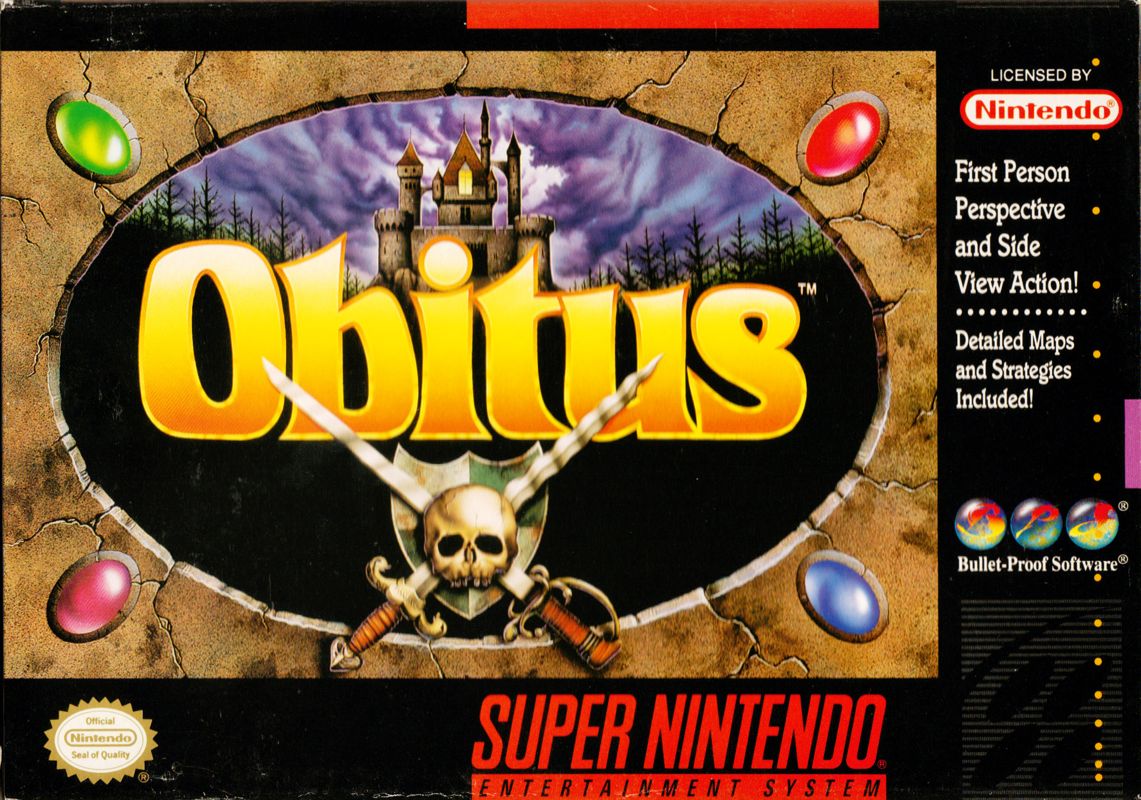
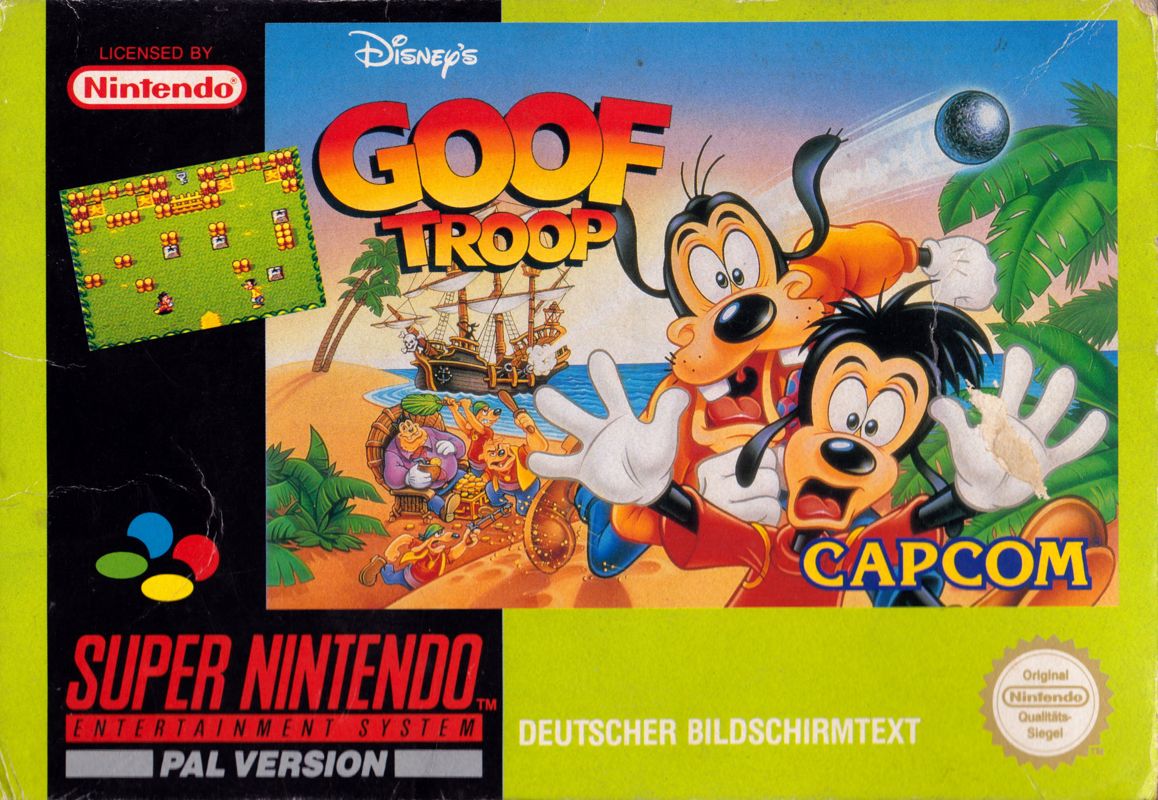
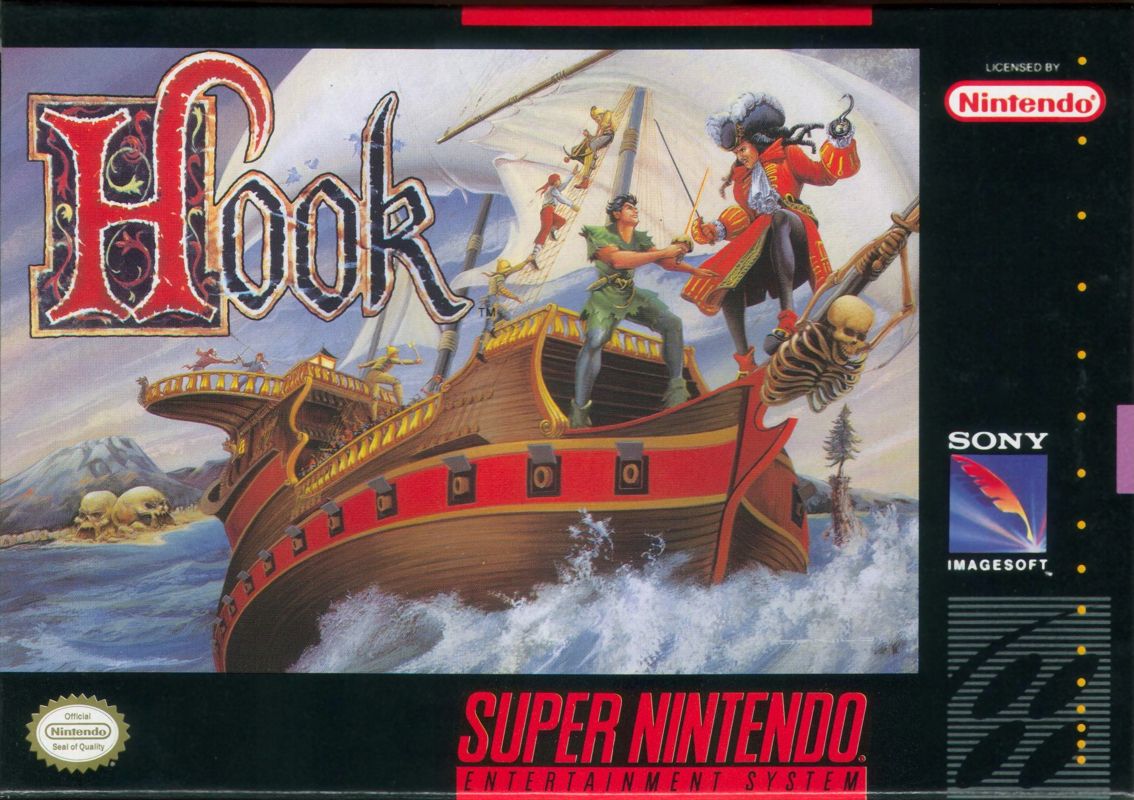
In the 1992 action-adventure game Hook and Capcom's Goof Troop (1993), Cherries serve as collectible food items that replenish the player's health. They serve a similar recovery function in the action RPG Obitus and the beat 'em up God Hand, where they provide a minor health boost. In the platformer Jelly Boy, they are among the various fruits collected throughout the levels for points and bonuses.
In these 16-bit and 3D titles, the visual representation of cherries typically adheres to a classic twin-stemmed red pairing, making them easily distinguishable against complex level backgrounds. Within the level design of
Hook, these items are strategically placed in high-risk aerial pathways, requiring precise platforming to reach. In
Goof Troop, players can interact with cherries by lifting and throwing them at enemies as makeshift projectiles before consumption, adding a tactical layer to the puzzle-solving gameplay.
The technical implementation varies across platforms. In the Super Nintendo version of
Obitus, cherries occupy a specific slot in the player's grid-based inventory system, requiring manual selection rather than instant automatic consumption upon contact. For
Jelly Boy, the fruit is tied directly to the game's progression mechanics, where accumulating a set number of cherries and other fruits triggers a level-clear bonus or grants an extra life. In the fully 3D environment of
God Hand, the item transitions from a flat sprite to a rotating three-dimensional model that drops dynamically from destructible wooden crates, maintaining the traditional visual shorthand of the fruit as a quick-use resource within modern action gameplay.