In Tenchu: Stealth Assassins, Tenchu 2: Birth of the Stealth Assassins, and Tenchu: Fatal Shadows, Colored Rice is a consumable item used to map out paths. Players drop the brightly colored grains on the ground to mark areas they have already explored, helping them navigate complex, maze-like levels. This tool is especially useful for stealth planning and avoiding backtracking in large environments.
Historically, the inclusion of this item draws directly from real-world shinobi espionage, where five-colored rice (
goshiki-mai) was used by agents in feudal Japan to leave coded messages for allies. Developer Acquire integrated this historical practice into
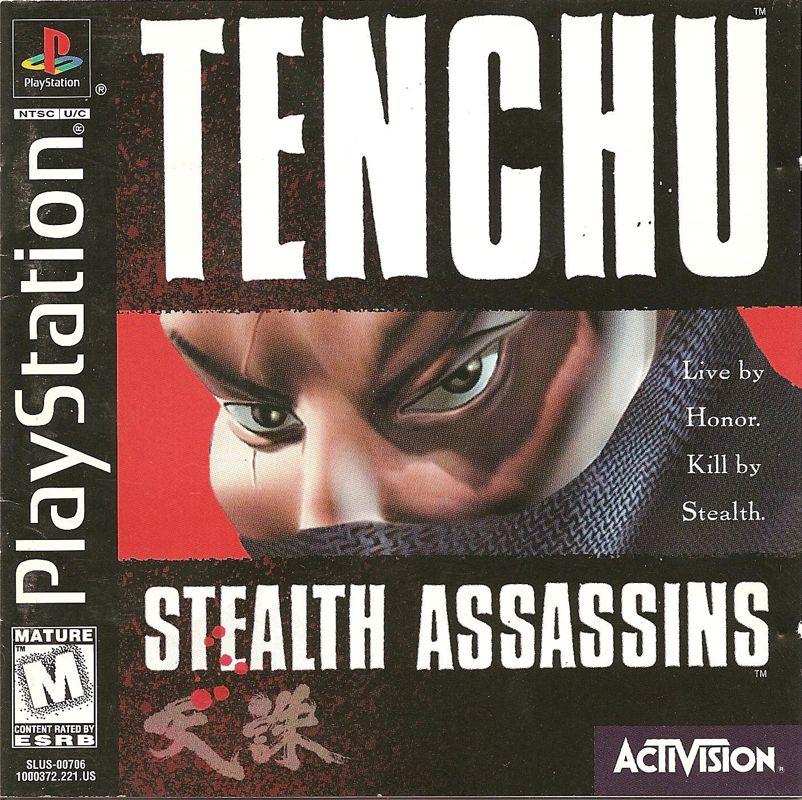
Tenchu: Stealth Assassins (1998) to bolster the game's authentic atmosphere. Players select the item during the pre-mission preparation screen, where it competes for limited inventory slots against offensive weapons like shuriken or defensive tools like healing potions.
In
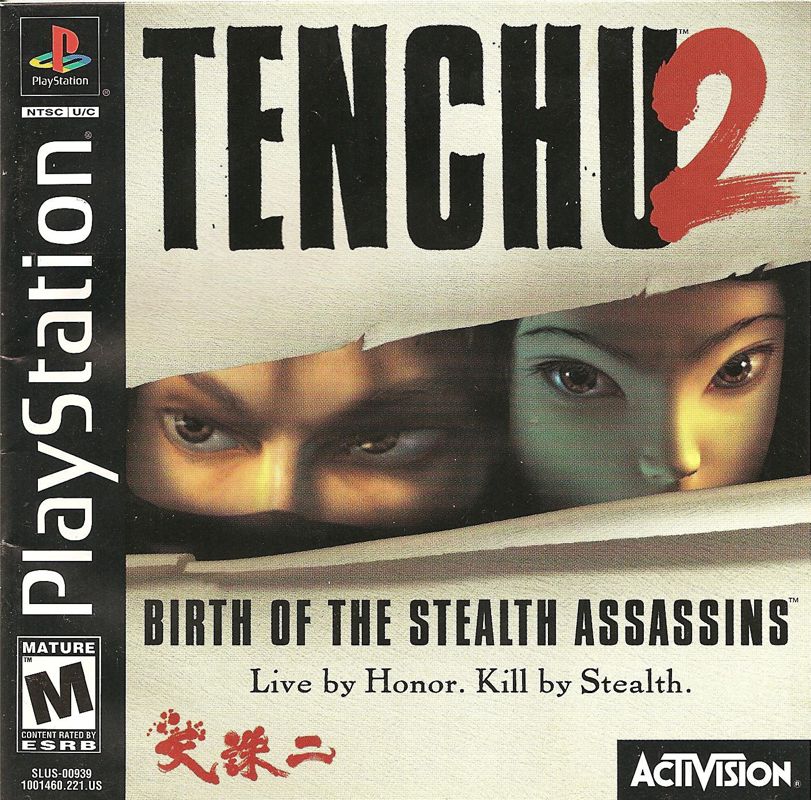
Tenchu 2 (2000), the utility of the item expanded alongside the introduction of the game's robust Mission Editor. Players designing custom, labyrinthine maps could utilize the grains to guide others through complex user-generated layouts. By the release of
Tenchu Fatal Shadows (2000), the item maintained its role as a niche tactical aid. As the stealth genre evolved and digital automaps became standard industry features, the reliance on physical trail-marking mechanics decreased, cementing the item as a unique relic of early 3D stealth game design.
.png)




.png)