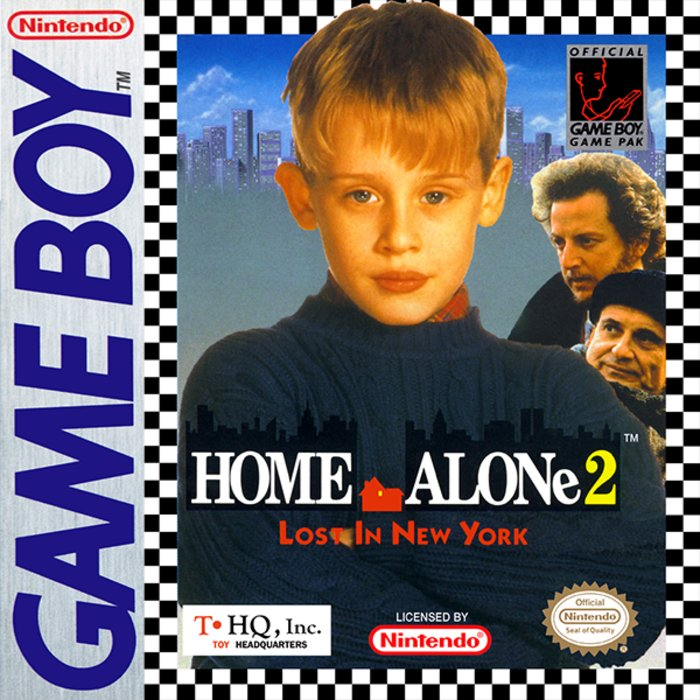
In the 1992 platformer Home Alone 2: Lost in New York, cookies are collected by Kevin McCallister to restore his health. Similarly, in the PlayStation titles Rugrats: Search for Reptar (1998) and Rugrats: Studio Tour (1999), cookies serve as vital health-replenishing items for the toddlers as they explore various levels.
In
Home Alone 2: Lost in New York, these items are strategically placed throughout hazardous environments such as the Plaza Hotel, the bustling streets of New York City, and Kevin's uncle's renovated townhouse. Players must navigate platforming challenges and avoid enemies like Harry and Marv to retrieve them, often finding them hidden in breakable objects or floating in mid-air.
Within the
Rugrats franchise, the inclusion of these treats aligns with the animated show's domestic aesthetic. In
Rugrats: Search for Reptar, they are scattered across diverse hub worlds and levels, including the Pickles' backyard, a toy store, and a supermarket. The sequel,
Rugrats: Studio Tour, places them within elaborate Hollywood-inspired movie sets, ranging from sci-fi spaceships to pirate coves. In both PlayStation titles, the items are frequently concealed inside destructible cardboard boxes or obtained by completing minor environmental puzzles. This reliance on familiar childhood snacks across both intellectual properties represents a broader 1990s design trend, where developers substituted traditional video game health mechanics with non-violent, age-appropriate imagery suitable for younger audiences.

.png)

.png)

.png)
.png)



.png)
.png)
.png)
.png)