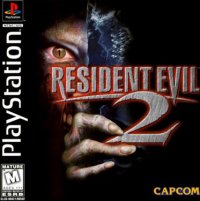
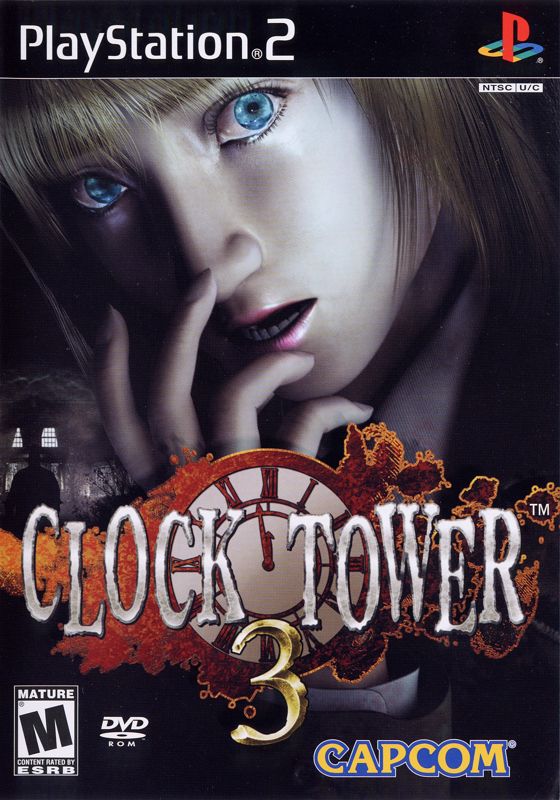
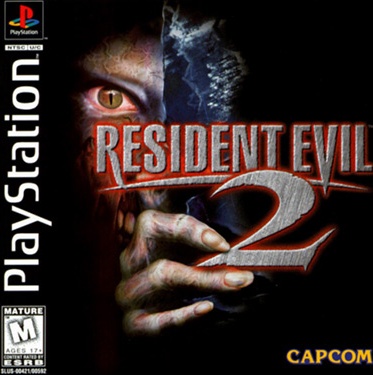
In Resident Evil 2 and its Dual Shock Edition, Files are scattered documents, diaries, and memos that players collect to uncover the Raccoon City outbreak and solve puzzles. Similarly, in Clock Tower 3 and Devil May Cry 3, Files serve as vital lore entries and instructional guides found throughout the game world. These items are stored in a dedicated in-game menu for players to review at any time.
Capcom pioneered this environmental storytelling method during the late 1990s, utilizing writer Noboru Sugimura's scenarios to bridge narrative gaps without relying solely on cinematic cutscenes. In
Resident Evil 2 and
Resident Evil 2: Dual Shock Edition, specific documents like "Chris's Diary" or the "Chief's Diary" expose the corruption of the Raccoon Police Department, with certain texts requiring players to examine them multiple times to reveal hidden gameplay clues.
This design philosophy carried over to
Clock Tower 3, where files detailing the tragic histories of murder victims help humanize the spirits Alyssa Hamilton must lay to rest. In
Devil May Cry 3 and
Devil May Cry 3: Special Edition, the system adapts to an action-focused context, cataloging the biological and mythological traits of demonic adversaries like the Hell Pride, alongside historical accounts of the dark knight Sparda. Across these franchises, collecting these items often ties directly to player ranking systems and post-game unlockables, cementing the mechanic as a core pillar of Capcom's era-defining game design and a precursor to modern gaming codex systems.