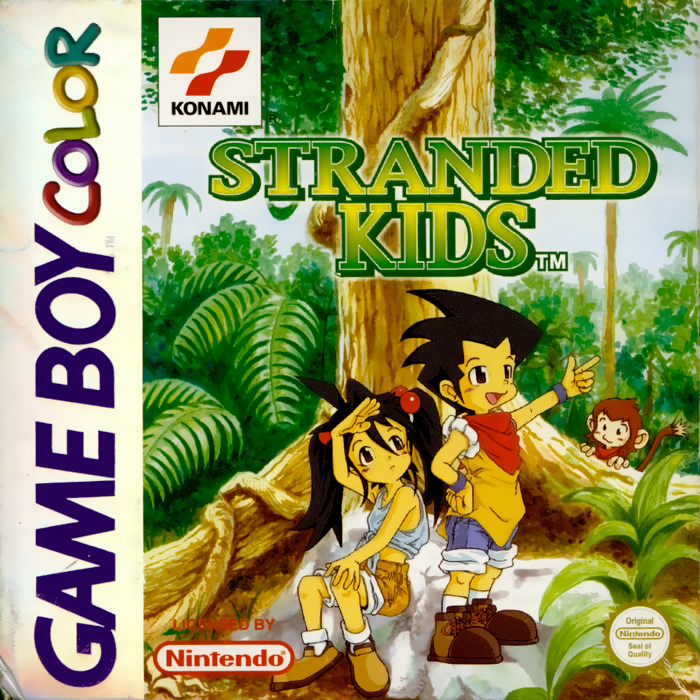
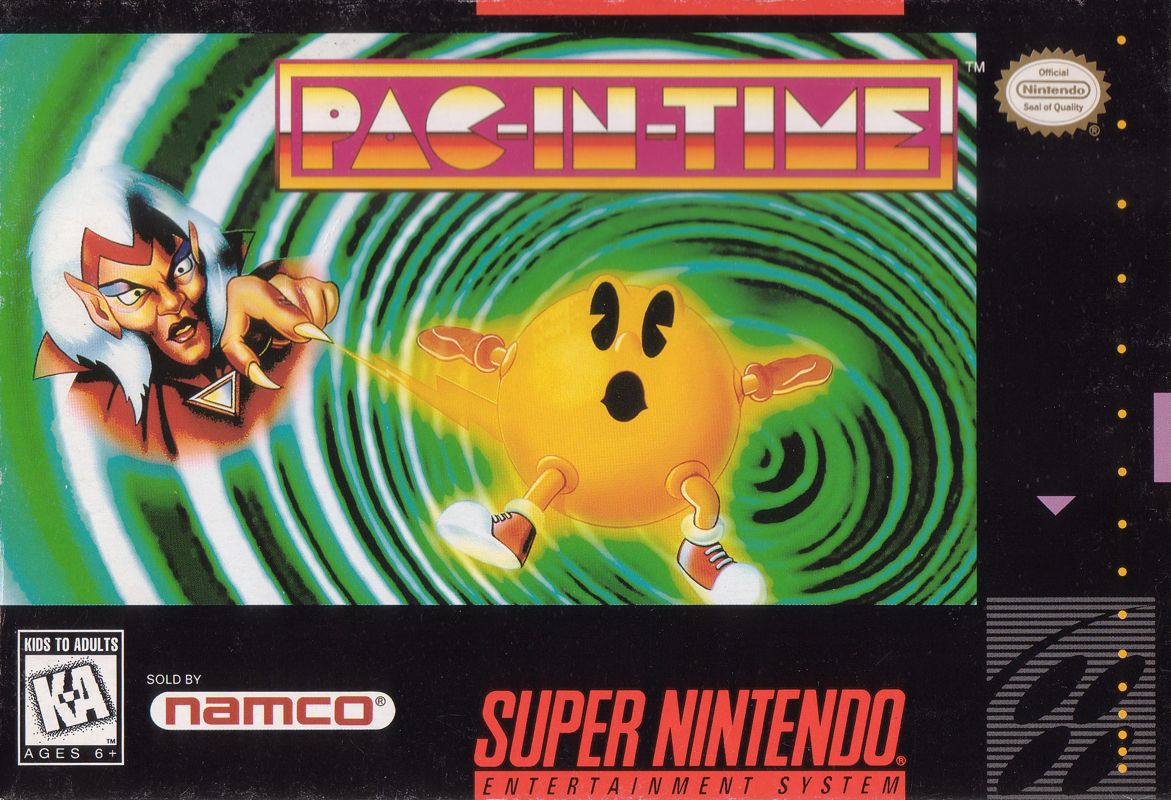
In the Game Boy RPG Survival Kids (known as Stranded Kids in Europe), fruits are gatherable food items crucial for managing the protagonist's hunger and hydration levels. They also appear as collectible items that grant points or power-ups in platformers like Snow White in Happily Ever After and Pac-In-Time.
In
Survival Kids, developed by Konami, players must identify different colored fruits, such as red, yellow, and green varieties, as some possess toxic properties that cause status ailments like poison or sleep. Shaking trees is the primary method of harvesting these items, which can then be eaten raw, cooked, or combined with other resources using the game's crafting system. This survival mechanic evolved into a staple of the franchise's spiritual successors, the
Lost in Blue series on the Nintendo DS, where fruit foraging required touchscreen interaction.
In the Super Nintendo Entertainment System release
Snow White in Happily Ever After, fruits serve as offensive ammunition, allowing the protagonist to throw them at enemies, alongside their role in score accumulation. For
Pac-In-Time, the acquisition of fruits is tied directly to level progression; Pac-Man must locate and consume every piece of fruit in a stage to activate the exit door. Across these diverse titles, the item transitioned from a traditional arcade-style progression metric to a complex, risk-reward survival resource.
.png)



.png)