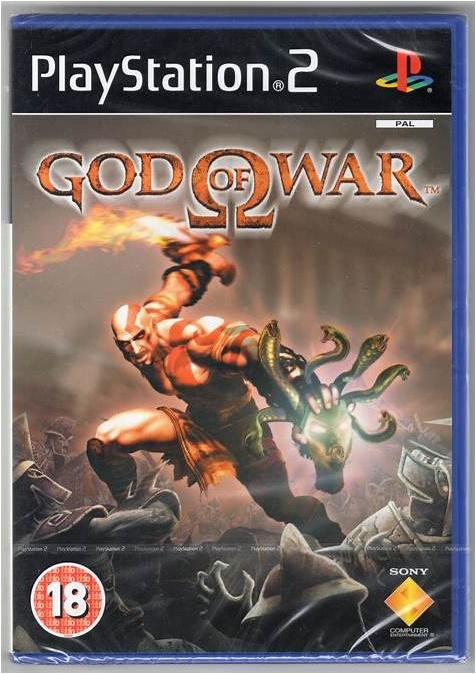
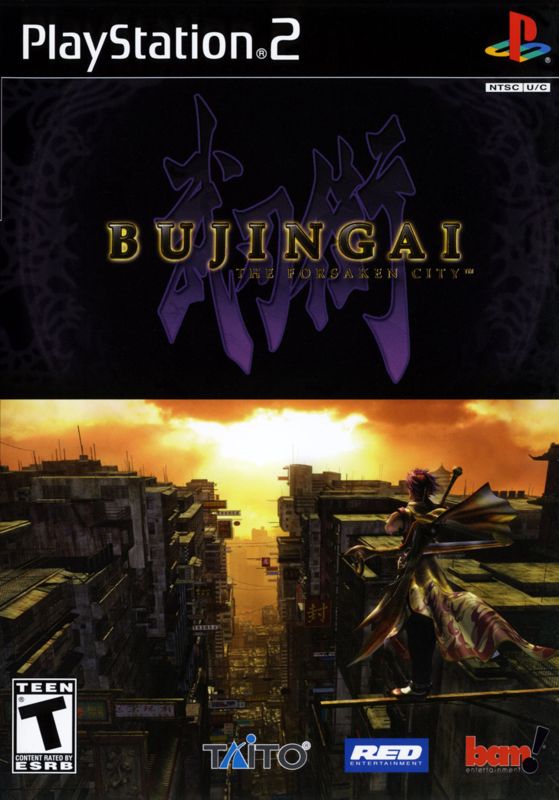
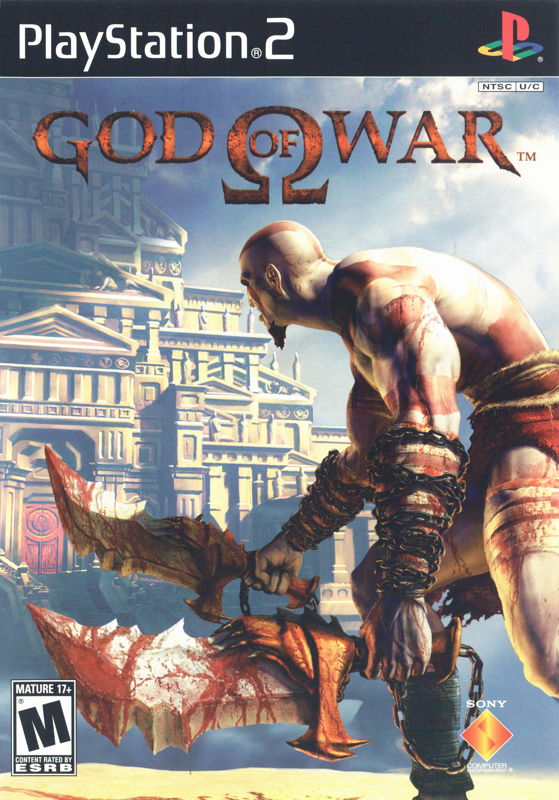
In the Devil May Cry and God of War franchises, Green Orbs serve as vital recovery items found by defeating enemies or destroying environmental objects. In Devil May Cry 3, they instantly restore a portion of Dante's vitality, while in God of War (2005) and its Collection, they replenish Kratos's health bar. They also appear as health-restoring items in the hack-and-slash game Bujingai: Swordmaster.
These glowing, levitating spheres typically gravitate toward the player character automatically when in close proximity. In
Devil May Cry 3 [Special Edition] (2006), players can strategically purchase them from Divinity Statues using Red Orbs before challenging missions, or locate them hidden within secret areas. During intense boss encounters, players often deliberately avoid collecting them immediately, leaving them on the battlefield as a tactical reserve for later in the fight.
Within
God of War (2005) and the remastered
God of War Collection (2007), these items are frequently housed inside glowing, green-banded chests. Opening these chests requires a sustained button press, exposing the player to enemy attacks and adding a layer of risk-reward tension to combat arenas. Certain larger enemies, such as Minotaurs, yield a high volume of these spheres when executed via specific context-sensitive mini-games.
In
Bujingai: Swordmaster (2000), the inclusion of these glowing assets aligns with the game's visual style, which was co-produced by Taito and Red Entertainment. The mechanic ensures that players can maintain high-speed combos without pausing the action. Collectively, these titles established the green circular motif as an industry-wide visual shorthand for resource management in character action games.