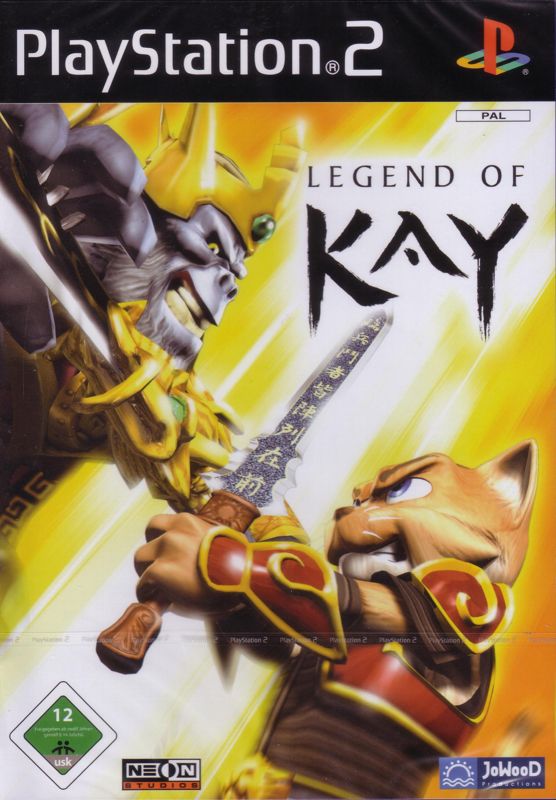
In games like Quest for Camelot (1999) and Legend of Kay (2000), Heart Containers serve as vital upgrades hidden throughout the world to expand the player's life bar. Similarly, in Prehistorik Man (1996) and Floating Runner: Quest for the 7 Crystals (1996), collecting these items allows players to survive more damage from enemies and hazards. They are typically found by exploring secret areas or defeating specific bosses.
Titus Interactive utilized this mechanic across multiple platforms, integrating the item into the economy of
Prehistorik Man where players exchange collected bones at shops to secure the upgrade. In their later Game Boy Color release,
Quest for Camelot, the item serves as a critical milestone for character progression, guiding players through the game's top-down, movie-licensed world.
For early 3D titles, the item aided transition into three-dimensional space. In
Floating Runner: Quest for the 7 Crystals, the extra health mitigated the difficulty of navigating experimental 3D camera angles and platforming hazards across various themed worlds. Similarly,
Legend of Kay integrated the item into a martial-arts-themed action-adventure framework. In this title, the containers are woven into the game's eastern-inspired lore, obtainable through merchants or complex environmental puzzles, reflecting the protagonist's growth from an apprentice to a master warrior. Together, these games demonstrate how the item evolved from a simple platformer collectible into a standard action-adventure progression mechanic during the late 1990s and early 2000s.

.png)
 (En,Fr,Es).png)

 (En,Fr,Es).png)

.png)
