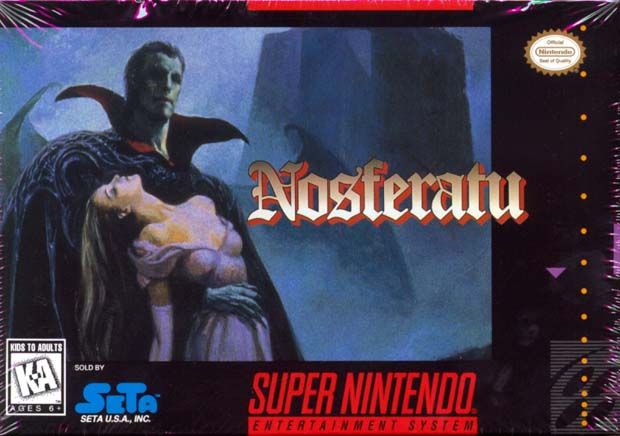
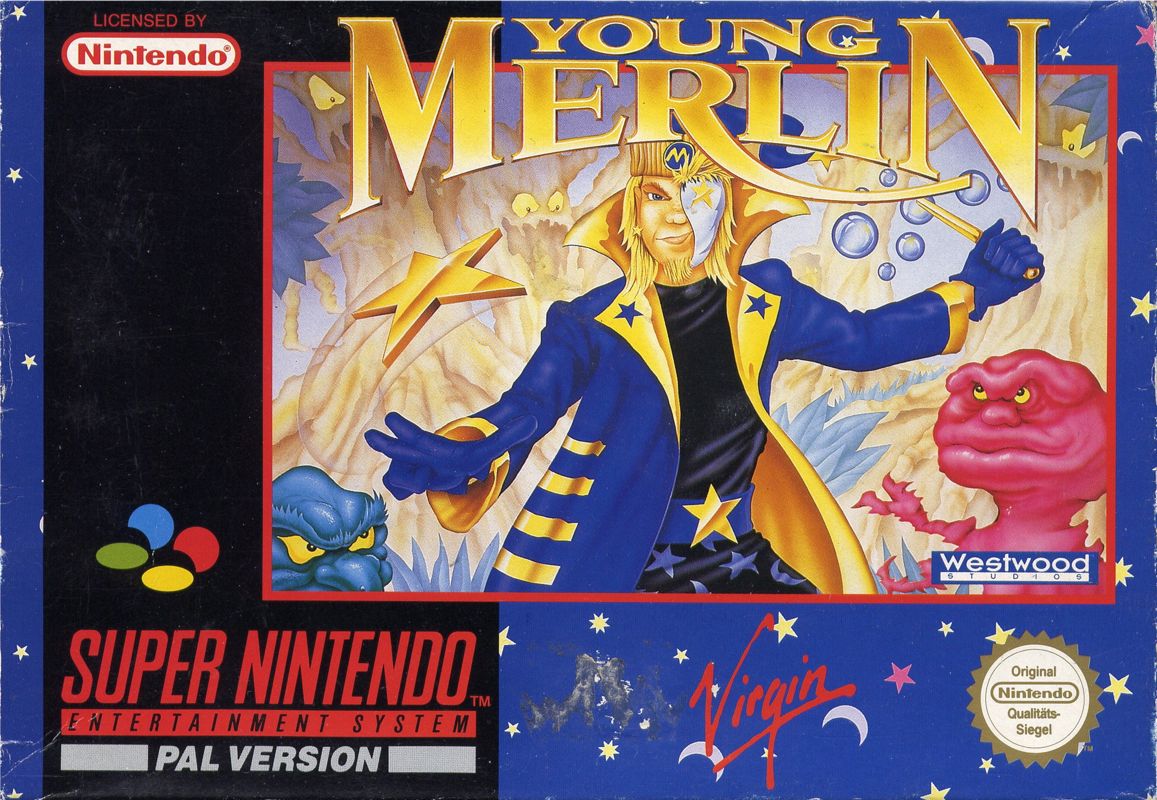
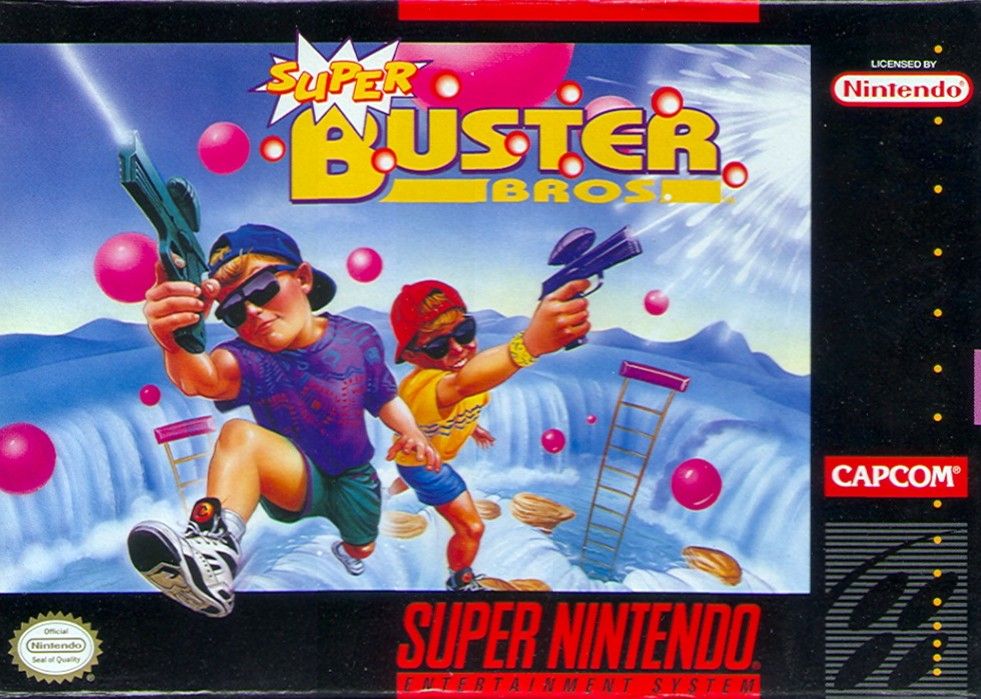
In the arcade action game Super Buster Bros., collecting the Hour Glass slows down the movement of splitting bubbles. In the SNES action-adventure Young Merlin, it acts as a spell item to temporarily slow down enemies. For platformers like Nosferatu and Jumping Flash! 2, collecting the Hour Glass adds valuable extra seconds to the stage's countdown timer.
During the 1990s transition from 2D arcade experiences to 3D console platformers, developers utilized this iconic timepiece icon to give players agency over game physics and strict level constraints. In Mitchell Corporation's
Super Buster Bros., the item represents a crucial tactical drop during high-density stages, appearing randomly from popped bubbles or destroyed blocks to help players manage chaotic screen space. Westwood Studios integrated the object into the high-fantasy setting of
Young Merlin, where it functions as a reusable tool requiring careful resource management within the game's real-time inventory system.
For level-based titles where survival is tied directly to the clock, the item serves as a vital exploration incentive. In the cinematic platformer
Nosferatu, finding these hidden objects is essential for navigating the castle's complex traps before the strict limit triggers an automatic game over. Similarly, in the early 3D environment of
Jumping Flash! 2, the developers placed the item in hard-to-reach vertical spaces, rewarding players who risk detours while searching for Jet Pods. Across these distinct genres, the item established a lasting design convention for temporal power-ups.
_1.png)





_1.png)
