In the Final Fight series, including the 1991 SNES port and Final Fight Guy, money appears as bundles of cash or gold bars that award bonus points to the player. In the 1999 game Spy vs. Spy, money is one of the critical items that must be collected and placed in a briefcase to escape the level. Other titles such as Gekido Urban Fighters and Woody Woodpecker feature money as a collectible pickup for score or progression.
The transition of money from a high-score mechanic to a functional currency defined its evolution across these late 1990s and early 2000s releases. In Capcom's
Final Fight (1991) and the rare
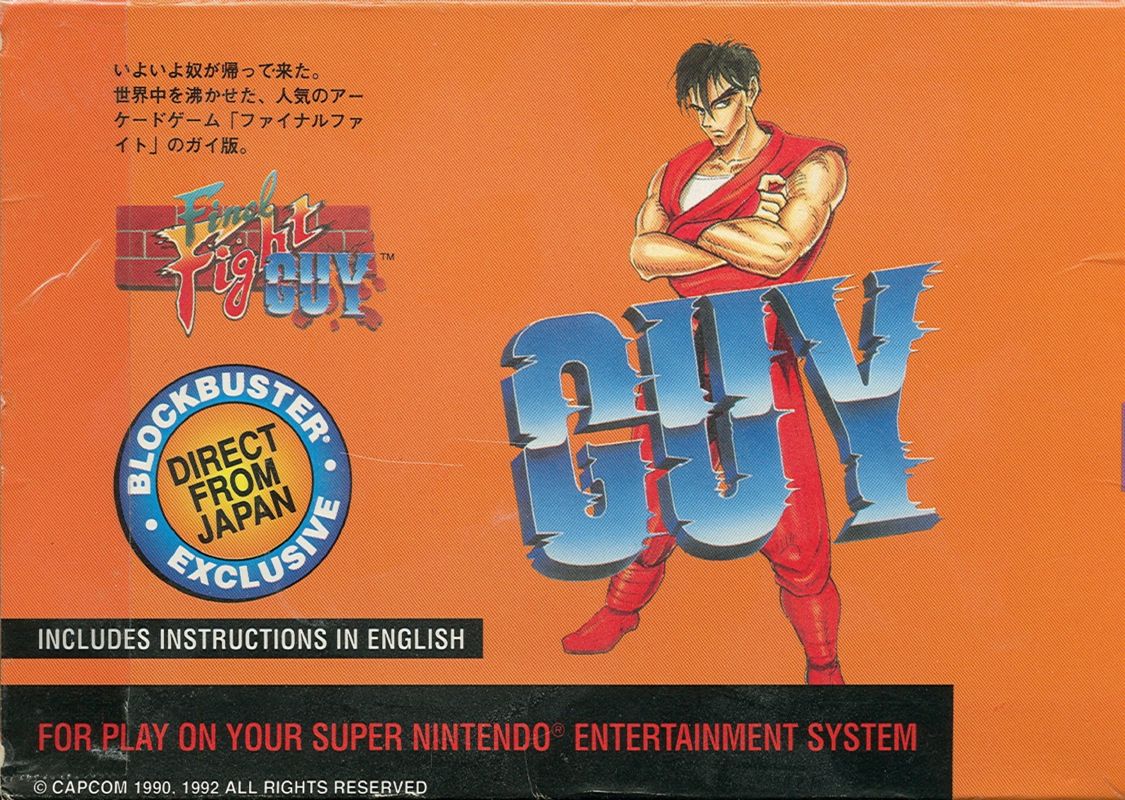
Final Fight Guy [Blockbuster Exclusive] (1994), these items are hidden inside destructible environment containers, reflecting the arcade era's emphasis on leaderboard competition. By contrast, the 1999 adaptation of
Spy vs. Spy integrates money directly into its core espionage puzzle-gameplay, requiring strategic inventory management to avoid traps set by the opposing spy.
During the turn of the millennium, titles like
Gekido Urban Fighters (2000) and
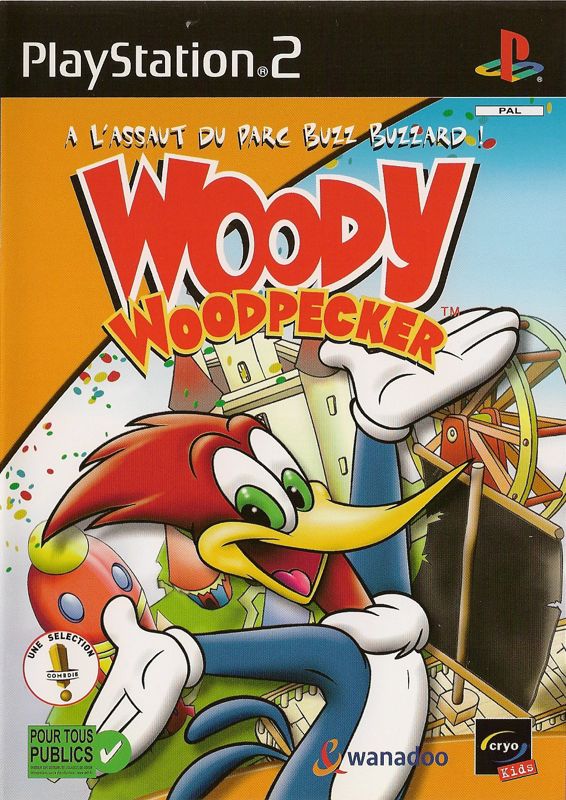
Woody Woodpecker (2000) continued utilizing money pickups to reward thorough level exploration. In the localized release of
Harry Potter Och Hemligheternas Kammare [Swedish Regional Edition] (2000), the item serves a more narrative-driven economic purpose, allowing players to purchase upgrades. Similarly, the promotional release of
Rampage Total Destruction [Not For Resale] (2000) uses money as a tangible reward for urban demolition. Across these diverse franchises, the item bridges the gap between classic arcade scoring systems and modern action-adventure progression mechanics.
.png)




.png)
