In Donkey Kong Country 2: Diddy's Kong Quest and Donkey Kong Land III, these signs mark the boundary beyond which Animal Buddies cannot travel. Crossing a No Animal Sign causes the active Animal Buddy to vanish, typically spawning a prize such as an Extra Life Balloon or a Kremcoin. They prevent players from taking powerful animal companions into areas not designed for them.
Rare introduced this environmental asset during the 16-bit era to refine the level design of the
Donkey Kong Country and
Donkey Kong Land franchises. While the original
Donkey Kong Country (1994) dismissed companions off-screen without visual signposts, developers implemented these physical barriers in
Donkey Kong Country 2: Diddy's Kong Quest (1995) and its promotional
Donkey Kong Country 2 [Not for Resale] (1995) cartridge. The asset later transitioned to the Game Boy for
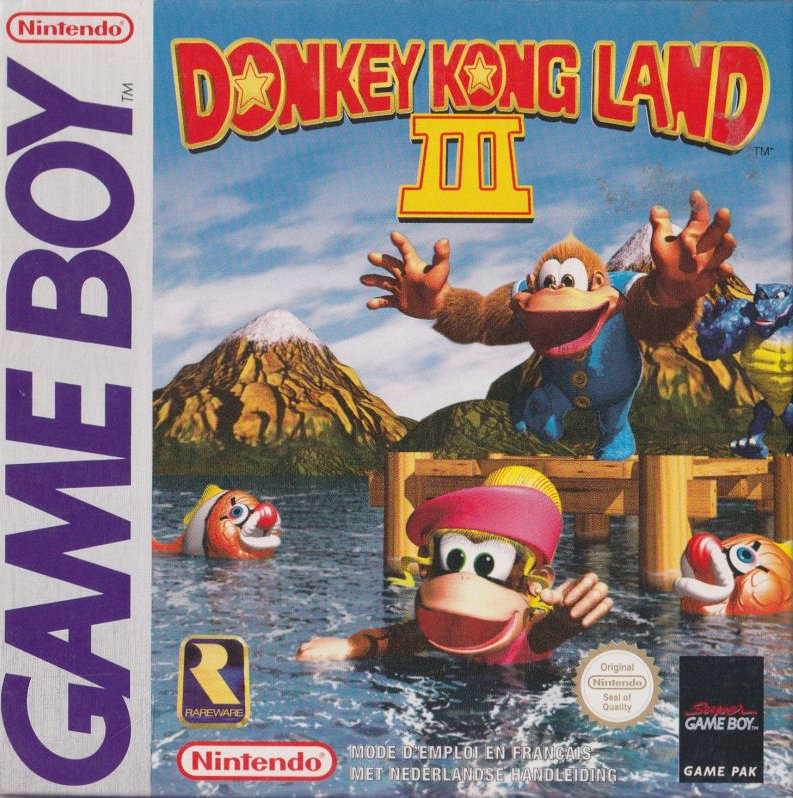
Donkey Kong Land III (1997).
Visually, each sign depicts a red diagonal slash over a silhouette of a specific companion, such as Rambi, Squitter, or Rattly. This system incentivized players to keep their companions safe until reaching the sign. The mechanic persisted in the Game Boy Advance ports of these titles, establishing a standardized design convention for Rare's platformers. By clearly defining where animal mechanics ended, these signs allowed developers to transition smoothly between specialized animal gameplay and standard platforming challenges.