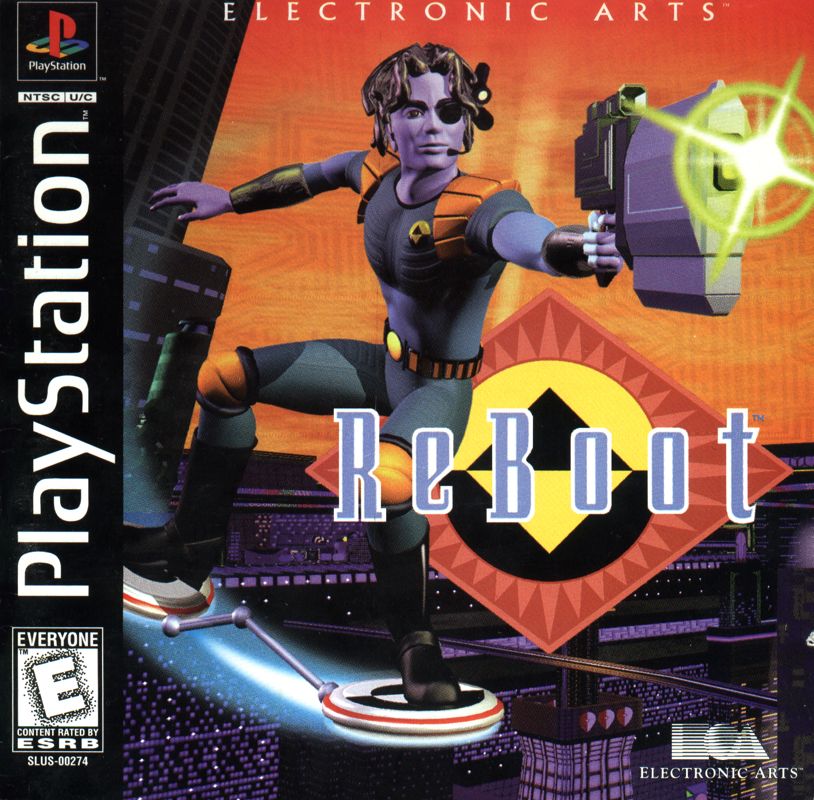
In the 1995 Spider-Man side-scroller, this item restores a fraction of Spider-Man's health meter during levels. In the 1998 ReBoot game and Gladiator: Sword of Vengeance, similar partial health pickups are scattered throughout the environments to sustain the player during combat.
In
Spider-Man (1995), developed by Western Technologies for the Sega Genesis and Super Nintendo Entertainment System, these pickups are strategically placed near hazardous obstacles and boss arenas. This placement mitigated the game's steep difficulty curve, which was a common criticism among contemporary reviewers.
For the 1998
ReBoot release on the PlayStation, developer EA Canada integrated these items into the game's third-person shooter mechanics. Players navigating the digital world of Mainframe relied on these frequent drops to survive intense skirmishes against viral infected units, reinforcing the television show's digital themes.
In the
Gladiator: Sword of Vengeance (2000) limited edition release, the mechanic served a vital role in the title's aggressive hack-and-slash combat loop. Developed by Acclaim, the game rewarded players who maintained high momentum, making the acquisition of these pickups essential for surviving the relentless waves of mythical Roman adversaries. Collectively, these items across all three titles illustrate the late-1990s design philosophy of active resource management, requiring players to explore levels thoroughly rather than relying on passive regeneration.