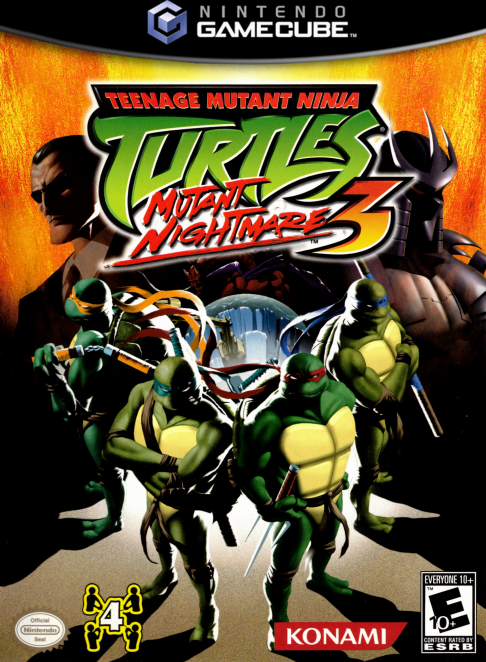
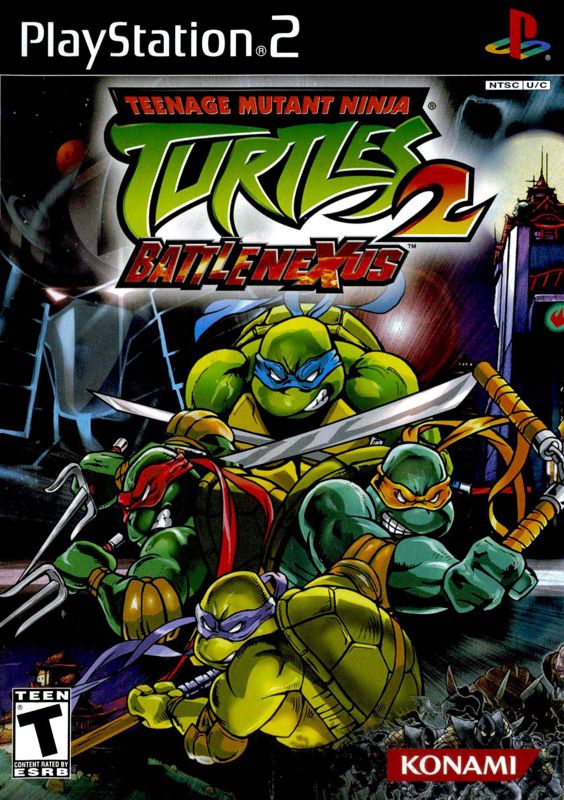
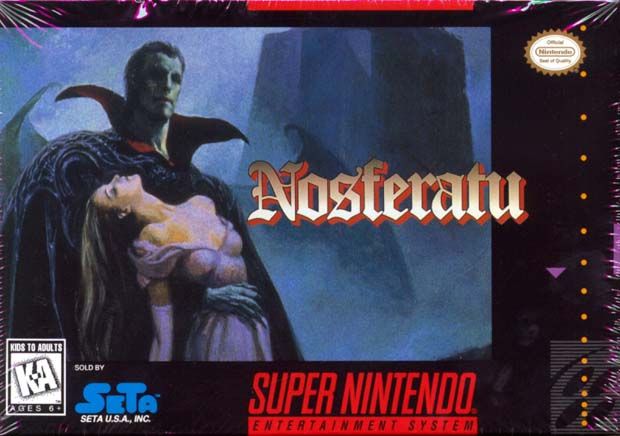
In the 1995 SNES game Nosferatu, collecting red crystals restores and permanently extends the player's maximum health bar. In Teenage Mutant Ninja Turtles 2: Battle Nexus and TMNT 3: Mutant Nightmare, Red Crystals are rare collectibles hidden throughout the stages. Players gather these crystals to unlock special features, bonuses, and upgrades within the TMNT games.
During the 16-bit and sixth-generation console eras, developers utilized distinct color-coded gem systems to guide player progression. In the horror-themed platformer
Nosferatu, developed by SETA Corporation, these crimson items serve as crucial environmental rewards scattered across the castle's eerie chambers, contrasting with the game's blue variety. This mechanic incentivizes thorough exploration of the game's cinematic, rotoscoped environments.
Within the Konami-developed
Teenage Mutant Ninja Turtles beat-'em-up series, the items transition into a currency-style reward system. In
Teenage Mutant Ninja Turtles 2: Battle Nexus, finding these objects allows players to interact with the standard-setting unlockable content of the era, including the emulation of the original 1989 arcade classic. By the release of
Teenage Mutant Ninja Turtles 3: Mutant Nightmare, the developers integrated the crystals deeper into the core gameplay loop, tying them to the customizable growth of Leonardo, Raphael, Donatello, and Michelangelo. Across both franchises, the red crystal serves as a visual shorthand for high-value secrets, rewarding players who venture off the beaten path of standard side-scrolling action.