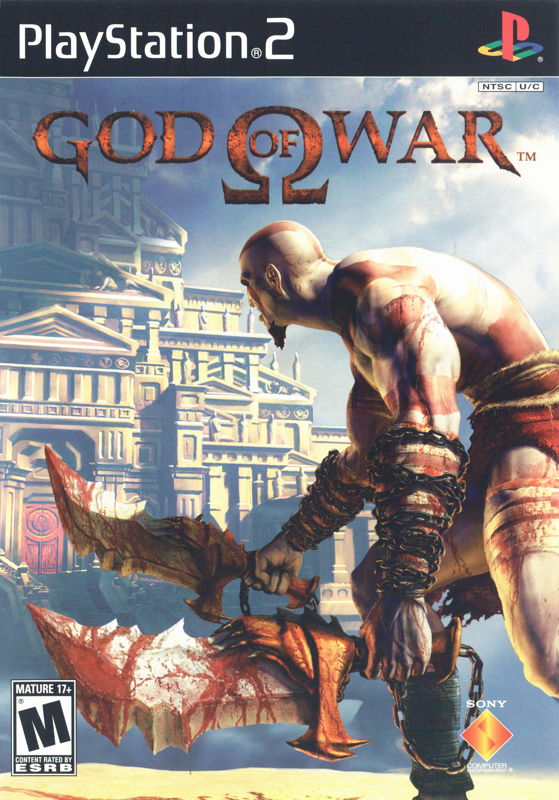
In God of War (2005) and God of War II, Save Altars appear as glowing pillars of light scattered throughout the game environments. Stepping into the light allows the player to save their current game state. These altars are a core mechanic for progression tracking across the original PlayStation 2 titles and their remastered collections.
Designed by Santa Monica Studio, these checkpoints serve as vital mechanical anchors during Kratos's quest for vengeance. Within the narrative of
God of War (2005), the beams of light emanating from the altars represent the watchful eyes of the Olympian gods, offering a brief sanctuary amidst hostile mythological beasts. This saving system remained identical in
God Of War 2 [Not for Resale] (2007), a rare promotional release of the sequel, where strategic placement of the altars before major boss fights, such as the Colossus of Rhodes, proved essential for players navigating the game's high difficulty.
The inclusion of these physical save points persisted into the high-definition remaster
God of War Collection (2007), preserving the original gameplay loop for a new generation of hardware. As the franchise evolved, the reliance on localized Save Altars became a defining characteristic of the series' Greek era. By the time the franchise transitioned to its Norse mythology era, developers replaced this manual system with automatic checkpoints, cementing the Save Altar as a nostalgic relic of early PlayStation 2 action-adventure game design.