In the PlayStation release of Tomb Raider III, saving progress requires the collection of physical Savegame Crystals scattered throughout the levels. This limited-saving mechanic is also represented in contemporary releases like Robotron X and Pitfall 3D, which rely on memory card saves. Within the Tomb Raider franchise, this item serves as a key gameplay element that increases tension and difficulty.
The concept of the physical save item within the
Tomb Raider franchise evolved alongside console storage technology of the late 1990s. The
Tomb Raider III Character Memory Card [Lara Croft] (1994) represented an early promotional intersection of hardware and branding, allowing players to transport their progress externally. This physical connection to data management carried over into the gameplay design of contemporary titles, such as
Robotron X (1996) and
Pitfall 3D (1998), which utilized similar memory card structures to manage player files.
In
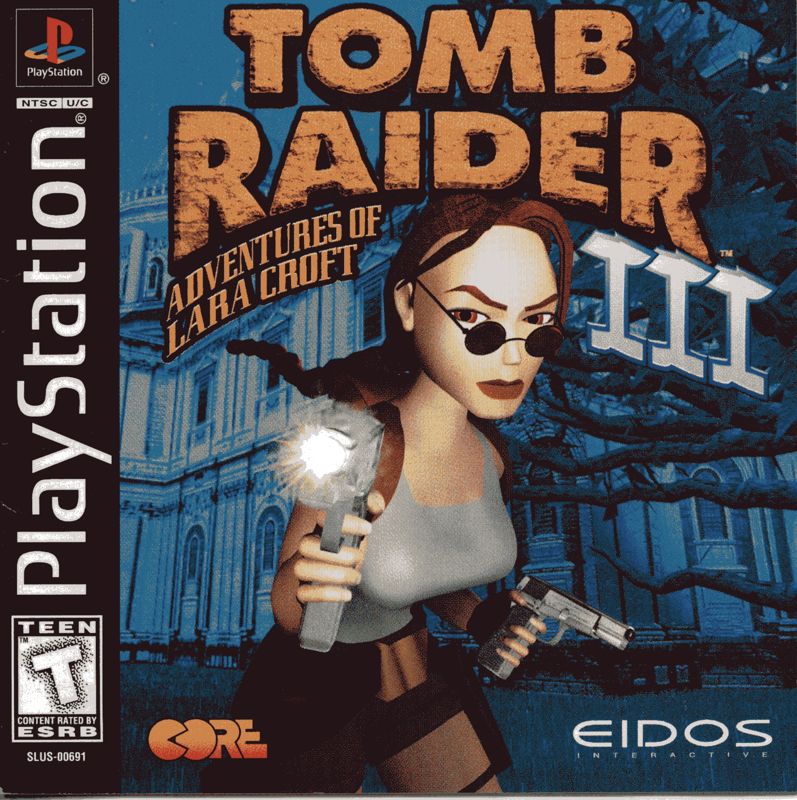
Tomb Raider III (1998), the implementation of the save system forced players to make strategic decisions about when to commit their progress to the console's memory card. Unlike the unlimited saving available in the PC version of the game, console players had to manage their inventory of save items carefully. This distinction created a stark contrast in player experience across different platforms. The legacy of this system remains a defining characteristic of fifth-generation console gaming, where physical memory limitations directly influenced in-game resource management and level design.

.png)




.png)