In action and platforming games, score items are physical collectibles placed throughout levels to reward exploration and skill. In Timeslip (1993) and Shien's Revenge (1994), collecting these items increases the player's final tally. Similarly, Strider 2 (2000) and Sonic Heroes (2004) utilize score-awarding pickups to help players achieve higher stage ranks and extra lives.
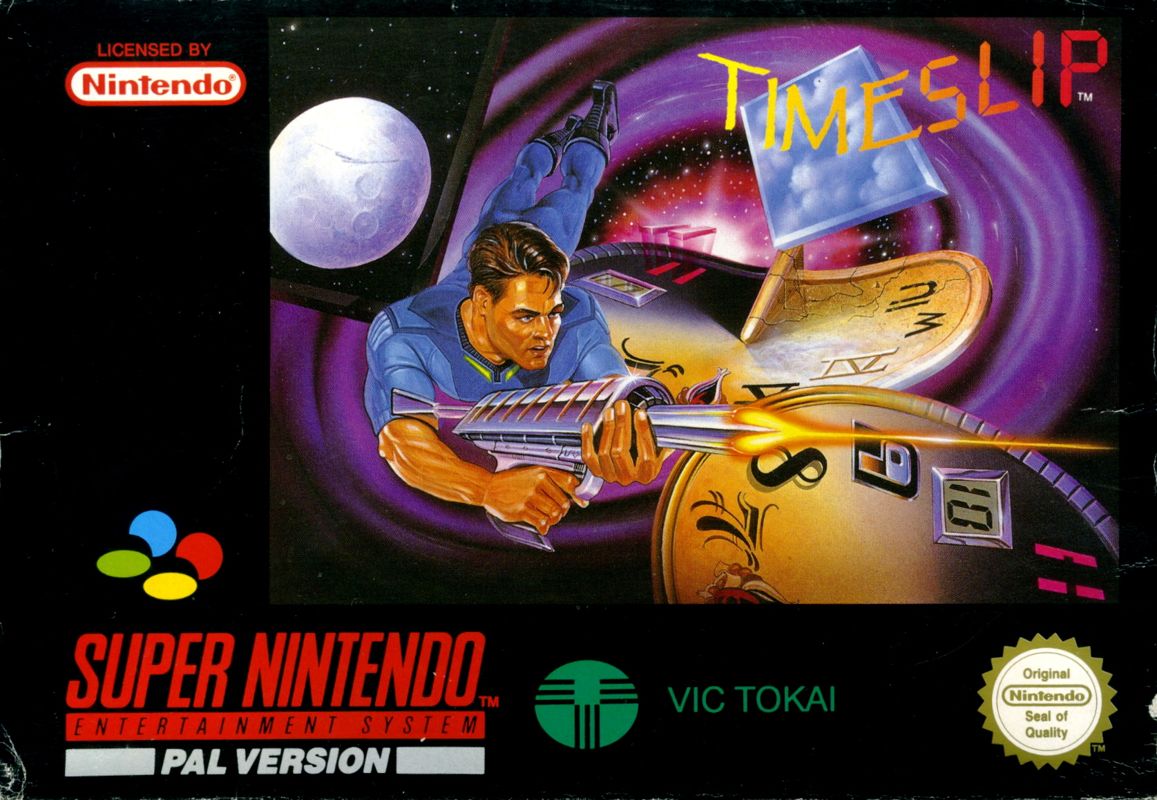
In the Amiga and Commodore 64 action-platformer
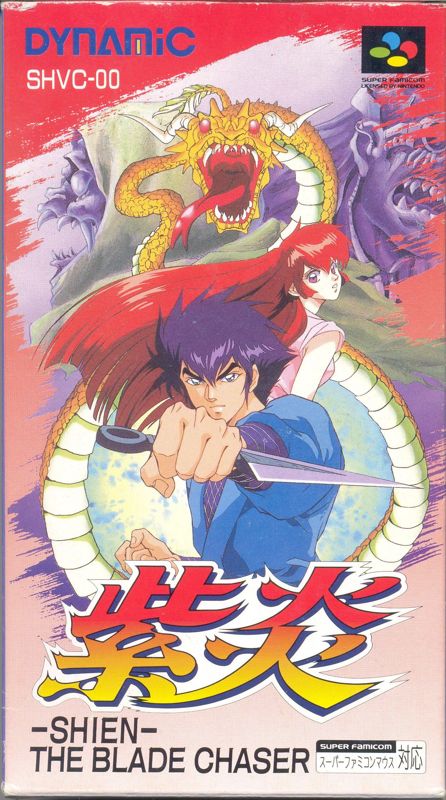
Timeslip, these collectibles manifest as literal floating numerical digits, such as "500" or "1000," suspended in mid-air alongside hazard-filled corridors. This direct visual representation evolved in the Super Nintendo Entertainment System title
Shien's Revenge, where the ninja protagonist interacts with physical point-bearing treasures like scrolls and coins that must be rapidly slashed or grabbed using the SNES Mouse or standard controller.
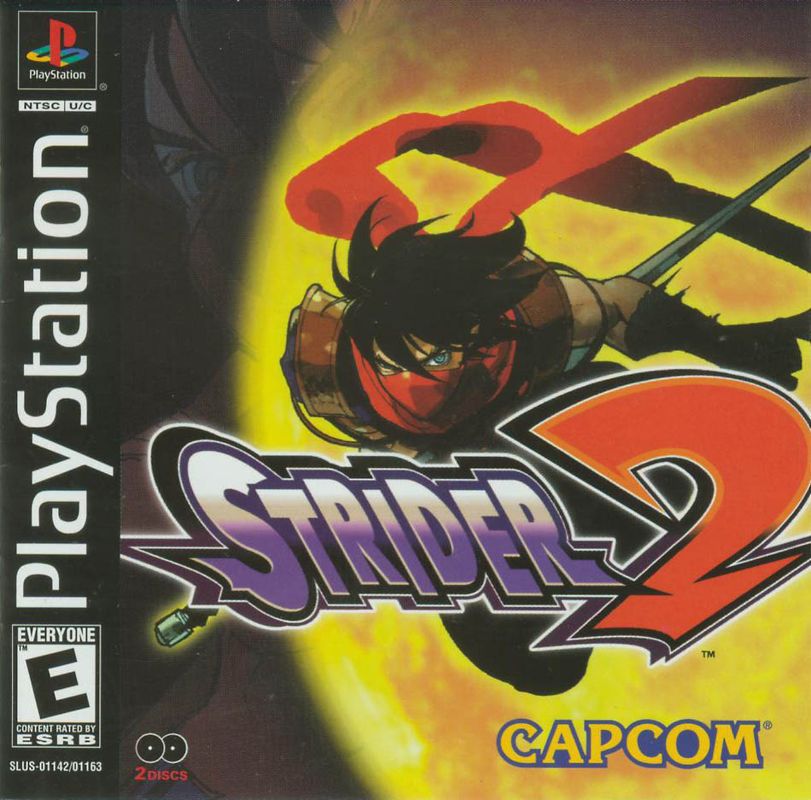
Capcom integrated this mechanic into
Strider 2 by scattering traditional arcade-style treasures, including gold bars, platinum medals, and the company's signature Yashichi symbol, throughout the futuristic, multi-scrolling environments. These items reward precise platforming and fast-paced movement. In
Sonic Heroes, Sega transitioned the concept into 3D space with physical point capsules and star-shaped icons. These items are strategically positioned to leverage the game's unique three-character formation system, requiring players to switch between Speed, Power, and Flight types to access high-value point containers hidden within the geometry of stages like Seaside Hill and Grand Metropolis.