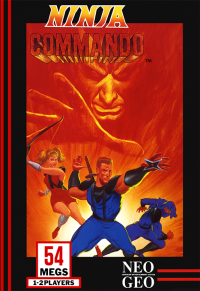
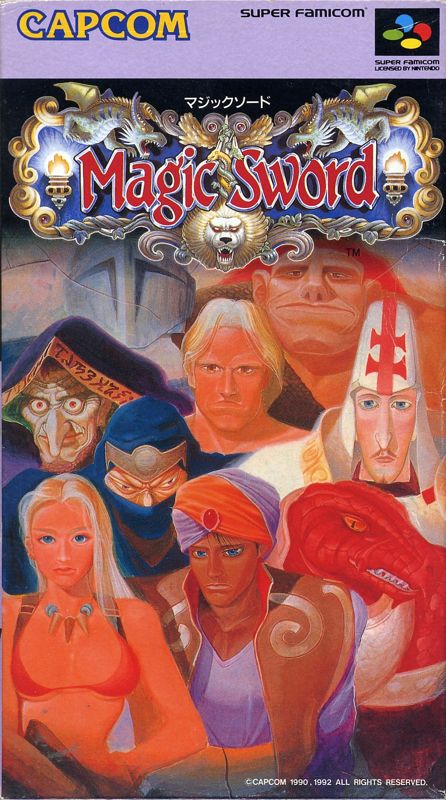
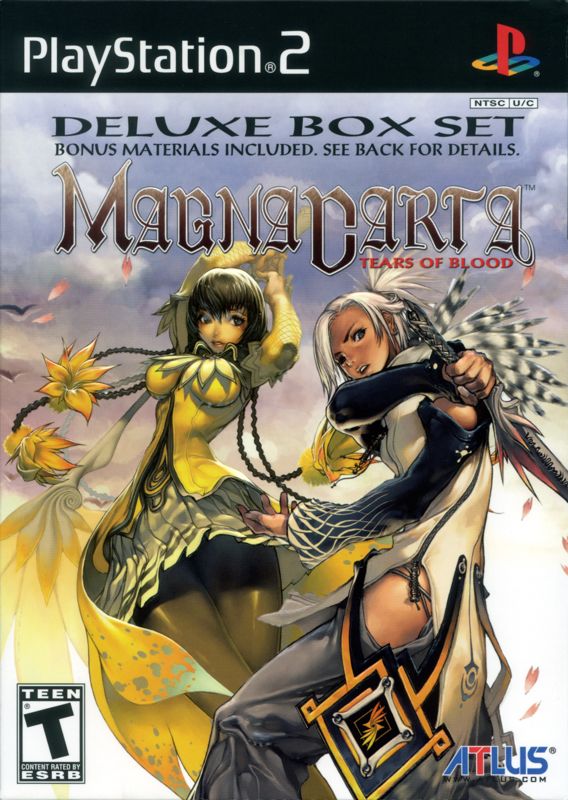
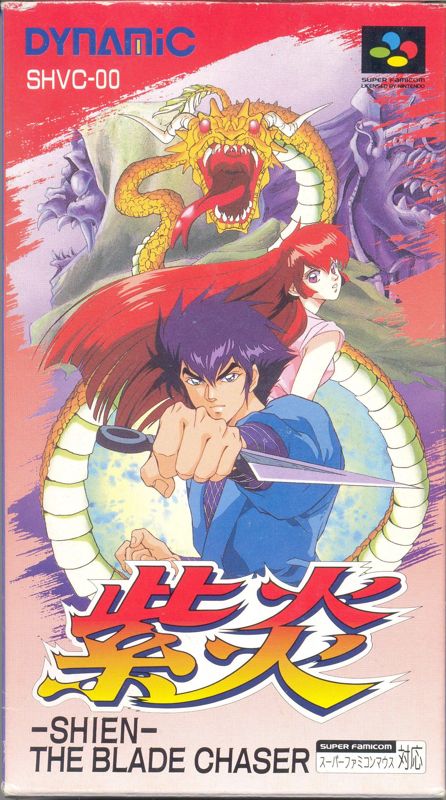
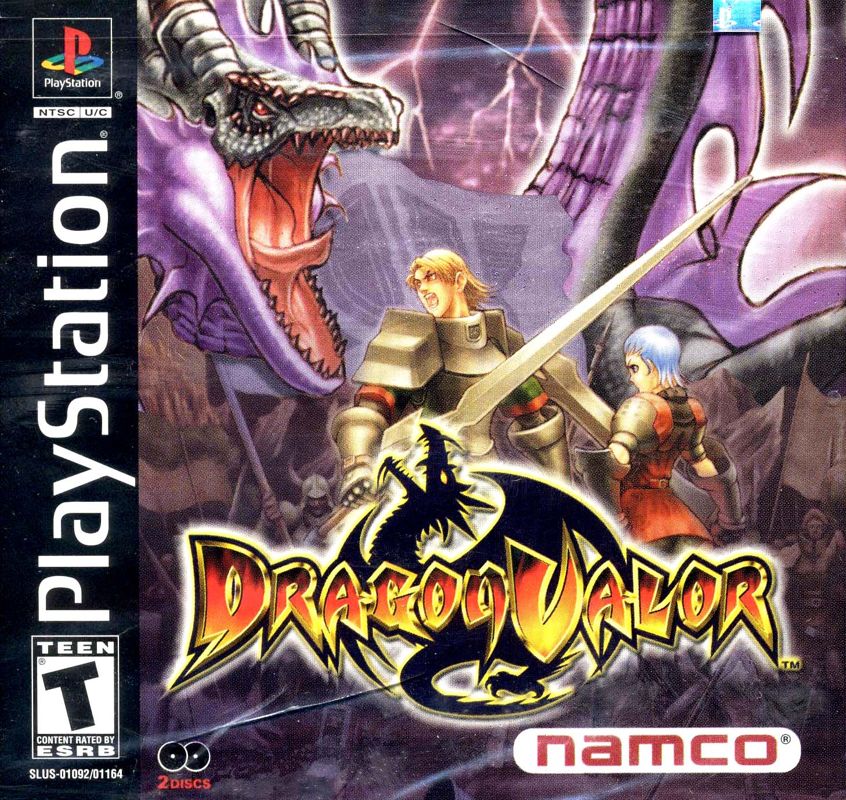
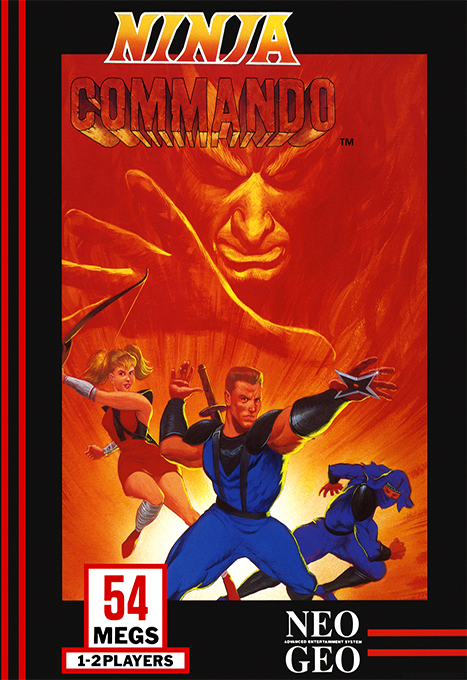
In Magic Sword (1992) and Ninja Commando (1993), the Scroll serves as a collectible power-up that grants magical attacks or points. In Shien's Revenge (1994), Dragon Valor (2000), and Magna Carta (2000), scrolls function as essential items for learning new spells, techniques, or progressing the narrative. Across these titles, the item represents a traditional source of mystical knowledge and combat power.
Originating in the early 2D arcade entries of the
Magna Carta franchise, the visual design of the scroll evolved from a simple, pixelated parchment icon into a highly detailed inventory asset. In
Magic Sword, players encounter these items within the game's fifty-floor tower, where they are often hidden inside treasure chests alongside other mystical relics. The concept transitioned to the top-down perspective of
Ninja Commando, where the item aligned with the game's feudal Japanese aesthetic and influenced the character's special attack stock.
As the franchise embraced 3D graphics and deeper role-playing mechanics, the implementation of scrolls became more sophisticated. In
Shien's Revenge, the item utilized the Super Nintendo's Mode 7 capabilities for dynamic scaling during gameplay transitions. By the release of
Dragon Valor on the PlayStation, scrolls were integrated into the game's generational storytelling, allowing players to pass down magical arts to successive descendants. The release of
Magna Carta on the PC solidified the scroll as a core lore device, bridging the gap between gameplay progression and the franchise's overarching fantasy mythology.