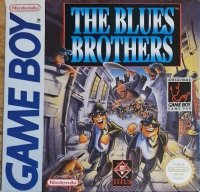
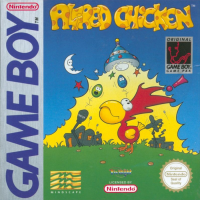
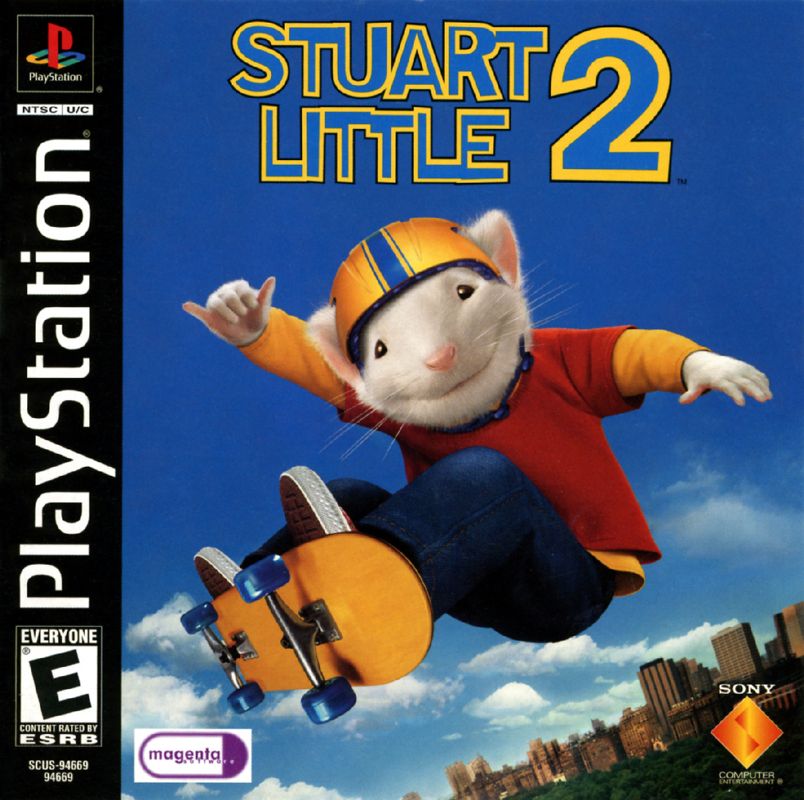
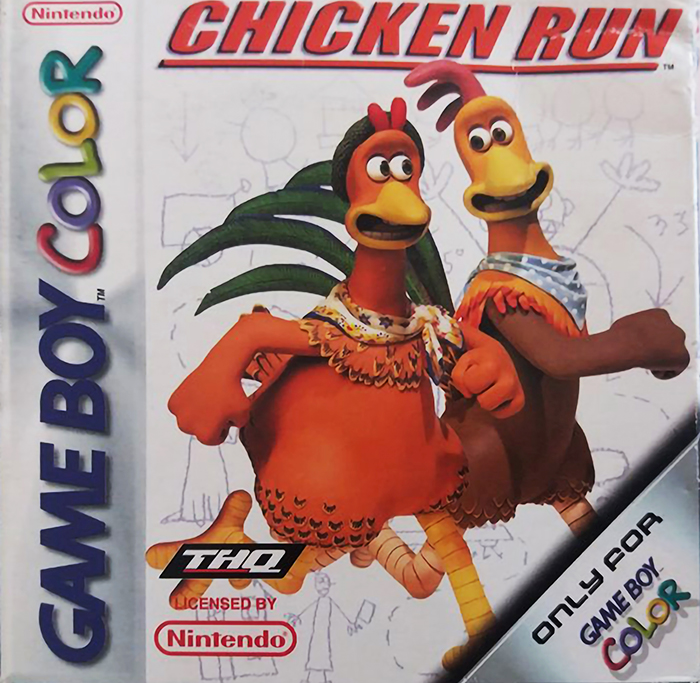
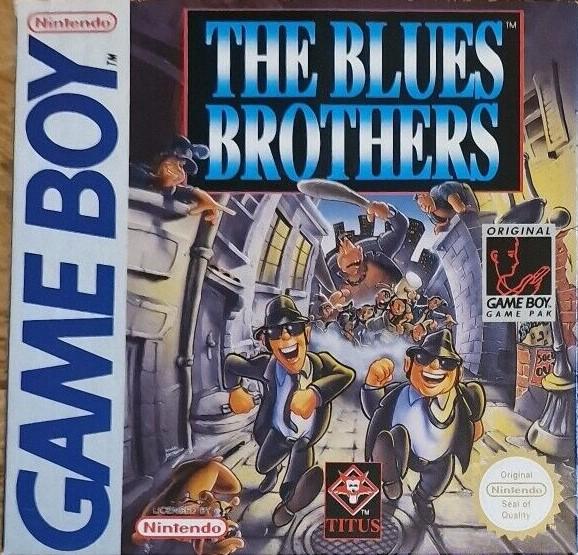
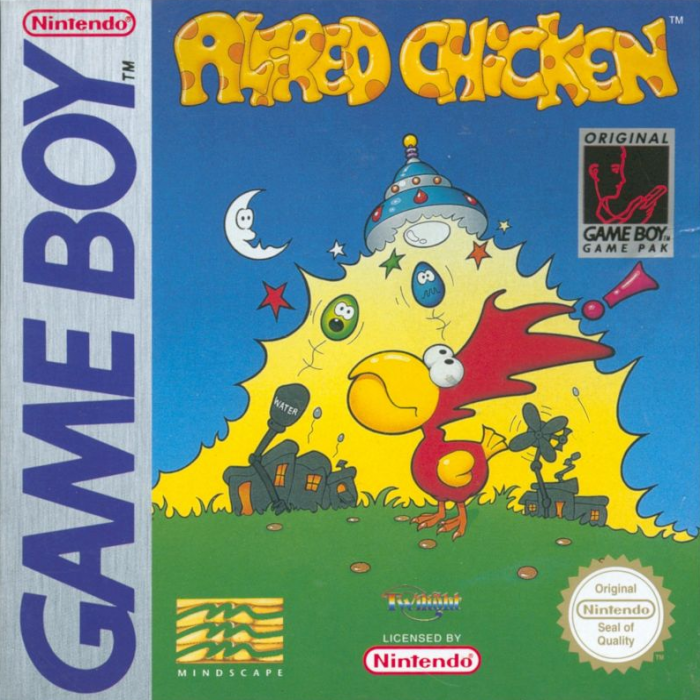
In games like Alfred Chicken (1993), Dragon's Lair (1993), and Blues Brothers (1993), springs serve as interactive hazards or traversal aids that launch the player upward. They also appear as mechanical obstacles and traversal mechanics in Knuckles' Chaotix (1995), Chicken Run (2000), and Stuart Little 2 (2002). These items allow players to reach otherwise inaccessible platforms, collect items, or avoid enemies.
In the 1993 platforming adaptation of
Dragon's Lair, these devices translated the cinematic quick-time events of the original arcade game into traditional side-scrolling challenges, requiring precise timing to avoid instant-death traps. During the same era,
The Blues Brothers and
Alfred Chicken integrated them into puzzle-like level layouts, hiding secret collectible rooms behind high ceilings.
The mechanic evolved significantly with
Knuckles' Chaotix on the Sega 32X, where the physics of the springs interacted directly with the game's unique dual-character tether system, generating extreme slingshot momentum. By the turn of the millennium,
Chicken Run incorporated them as makeshift tools fitting the game's prison-escape theme. The transition to 3D gameplay was prominent in
Stuart Little 2, where the miniature protagonist utilized household springs to navigate oversized domestic environments. Across these specific intellectual properties, the mechanic transitioned from a simple vertical booster into a physics-based tool that defined character mobility and level exploration.


.png)
 (Beta).png)






 (Beta).png)

.png)