The PlayStation 4 marked a shift to an x86-64 architecture, making game development easier and more aligned with personal computers. Over its lifecycle, it embraced digital distribution, virtual reality via PlayStation VR, and mid-generation hardware upgrades with the PlayStation 4 Pro. It became one of the best-selling consoles of all time, known for its strong library of narrative-driven first-party exclusives.
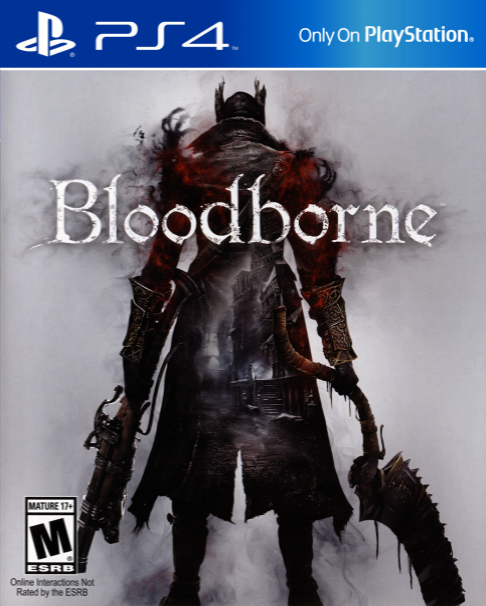
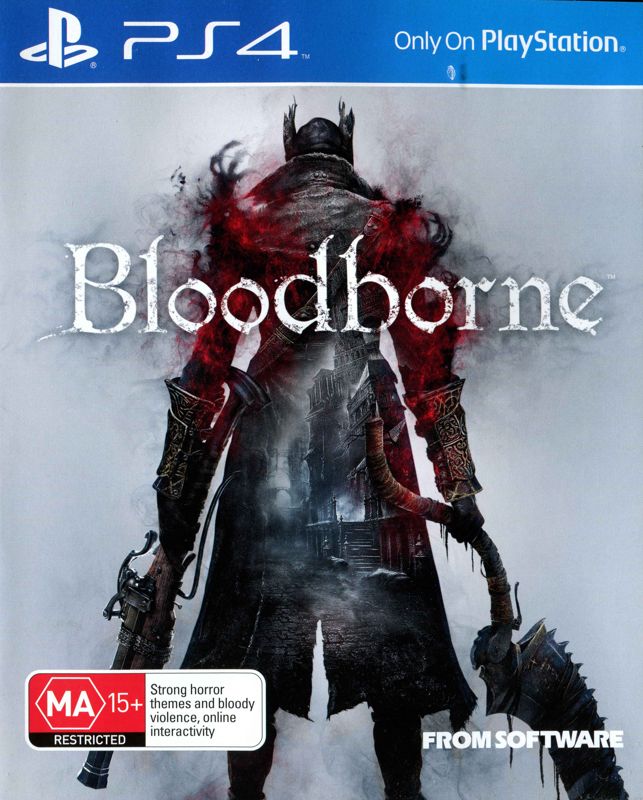
Launched in November 2013, the platform quickly established market dominance through a consumer-focused strategy and robust third-party support. Early years were defined by technical showcases and the release of influential titles such as the challenging action-RPG
Bloodborne in 2015.
As the platform matured into its mid-lifecycle, the software library expanded rapidly. This era produced some of the generation's most celebrated experiences, including
Uncharted 4: A Thief's End (2016),
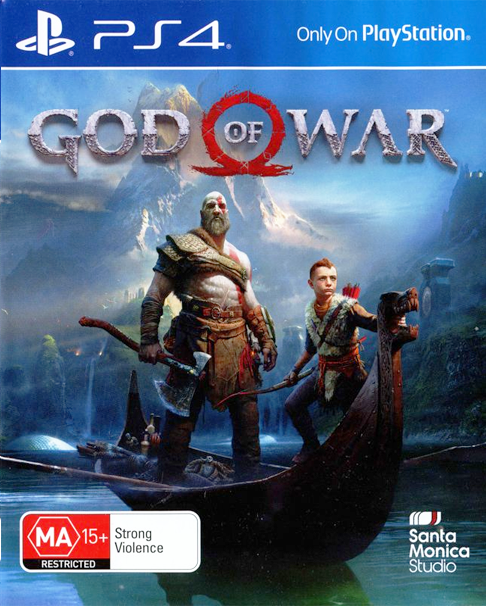
Horizon Zero Dawn (2017), and the critically acclaimed
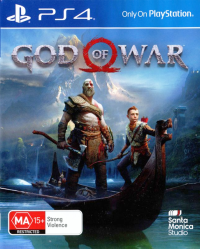
God of War (2018). These titles demonstrated the hardware's ability to deliver highly detailed environments and seamless cinematic storytelling.
In its later years, the system continued to receive major software support, bridging the transition to the next console generation. Blockbusters like
The Last of Us Part II (2020) and
Ghost of Tsushima (2020) pushed the aging hardware to its limits. Today, with a library spanning thousands of games, the platform remains widely played, serving as an accessible entry point to gaming and maintaining an active community worldwide.





_1.png)
































_1.png)



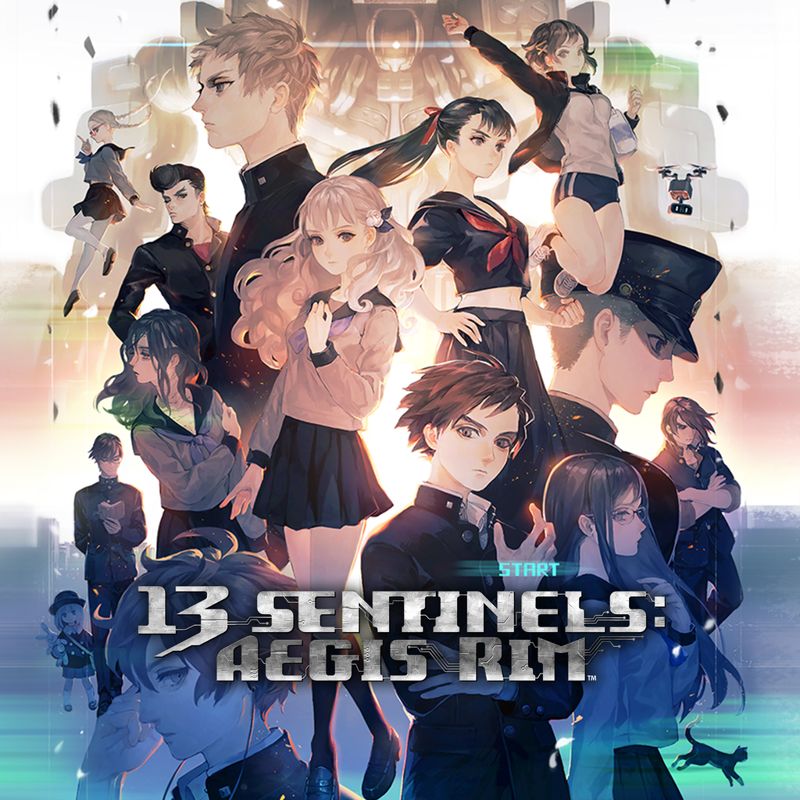

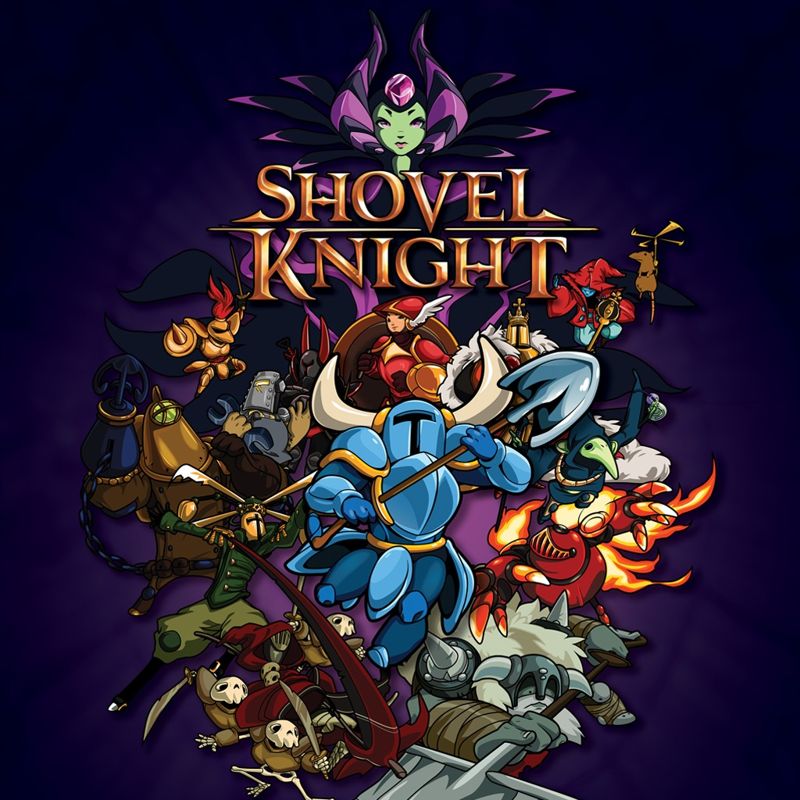



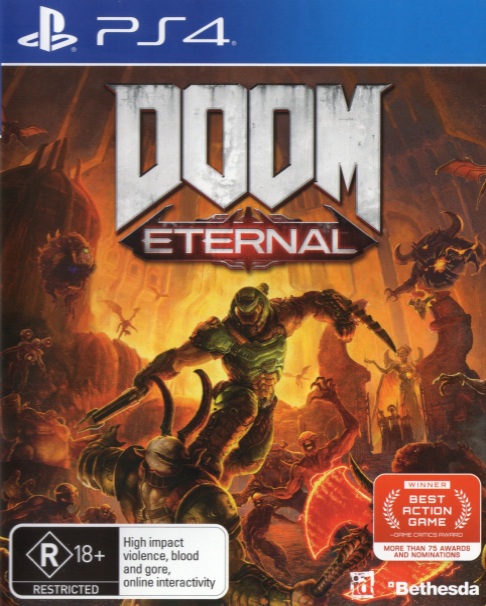
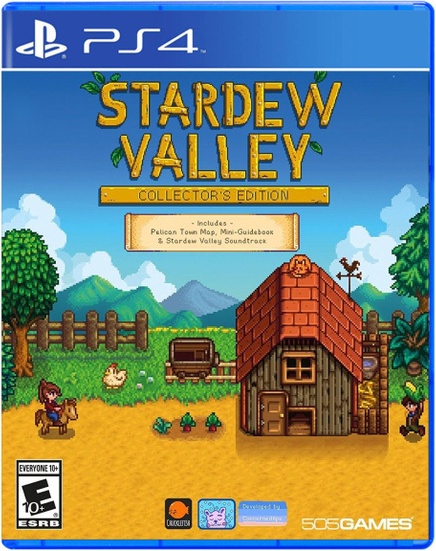


_1.png)