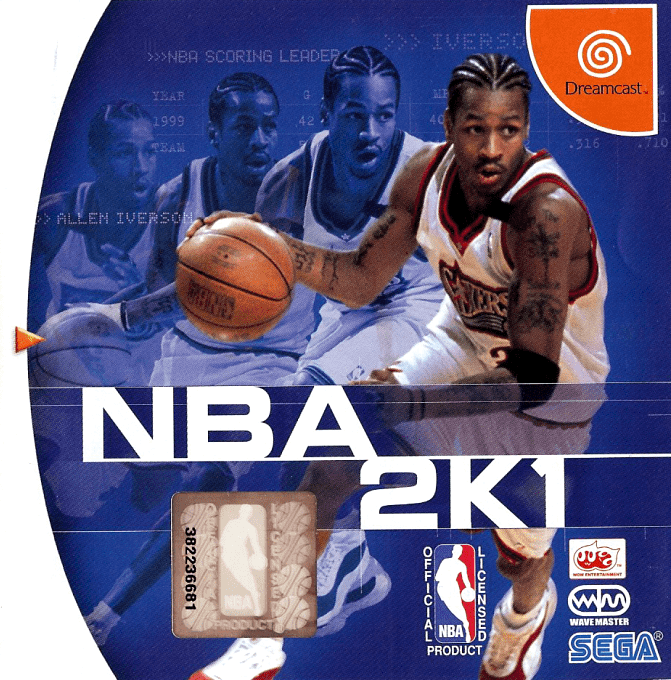
Sega (originally Sega Enterprises) published numerous titles for its SG-1000 home console in 1983, including N-SUB, Borderline, and Sega Galaga. The company transitioned from a hardware manufacturer to a third-party software publisher in 2001.
During this initial launch period, the publisher secured key licenses to adapt popular arcade titles for home audiences. Releases like
Champion Baseball and
Sega Galaga brought established arcade experiences into domestic spaces, while
Safari Hunting and
Pop Flamer expanded the platform's genre variety. The ports of Bally Midway's
Tapper and Jaleco's
Exerion demonstrated a clear strategy of partnering with external developers to bolster the software library. Additionally, home versions of
N-SUB and
Borderline transitioned successful coin-op properties to a broader consumer base.
These titles established a foundation for home console localization and porting standards in the early 1980s, helping to seed a competitive market against contemporary systems. The technical adaptations required for these releases influenced subsequent development methodologies, establishing design patterns that persisted through the 8-bit era.












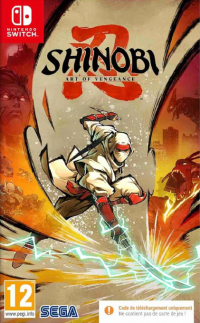


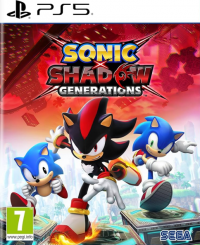


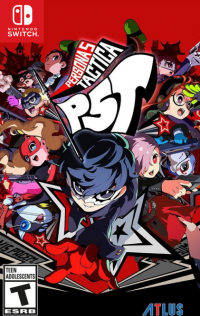
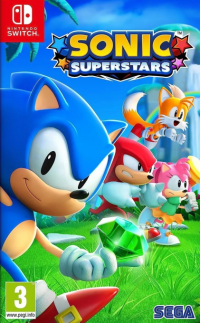















_1.png)




_1.png)
 (En,Ja).png)
.png)
_1.png)
.png)
.png)
.png)
.png)
.png)
.png)
.png)
 (Disc 3) (1M).png)

.png)

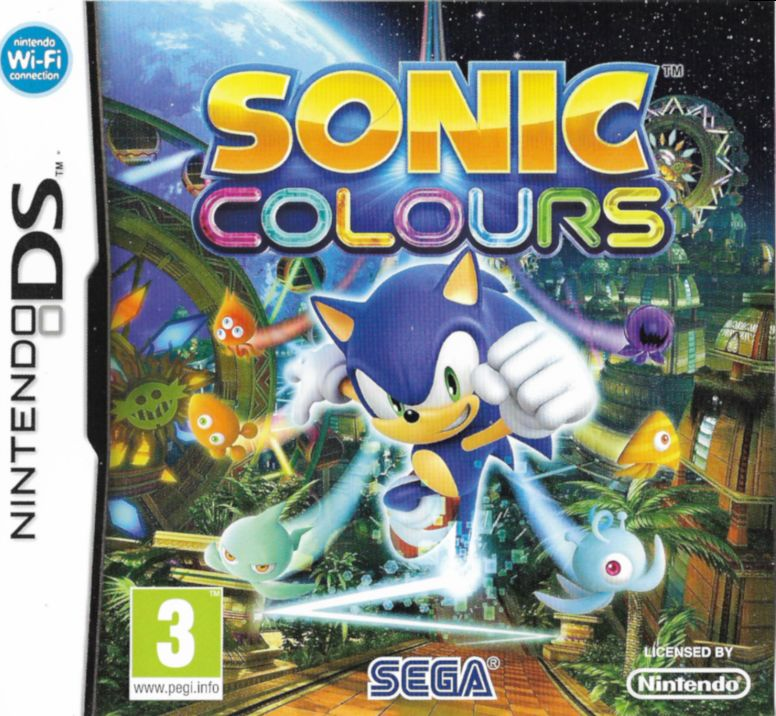
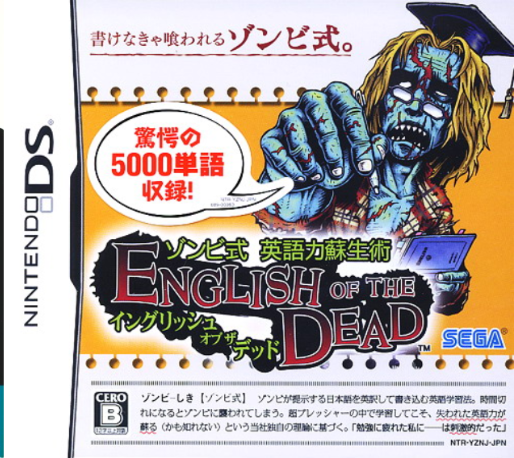

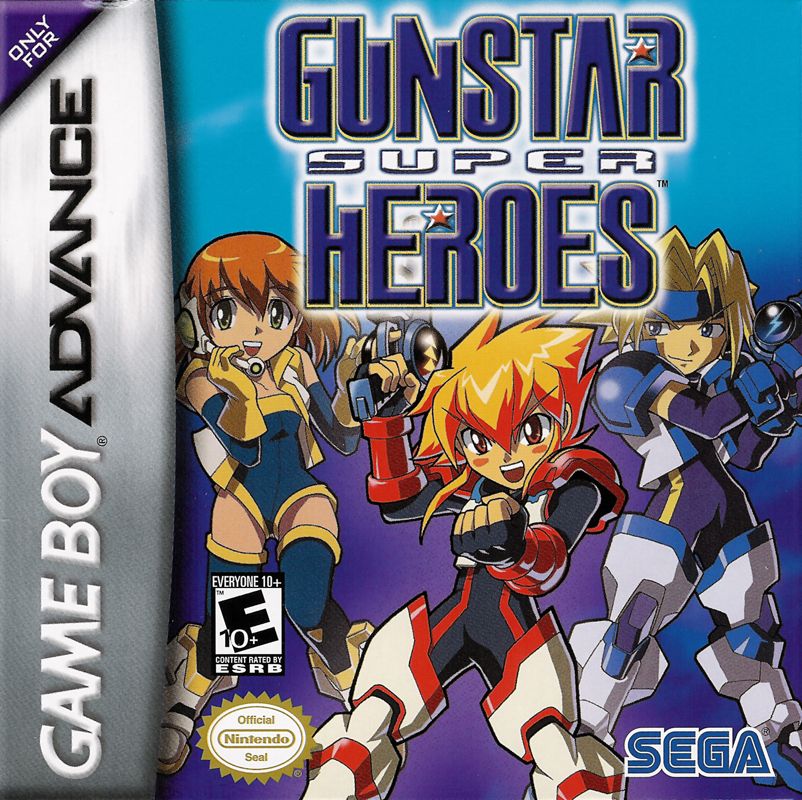
.png)
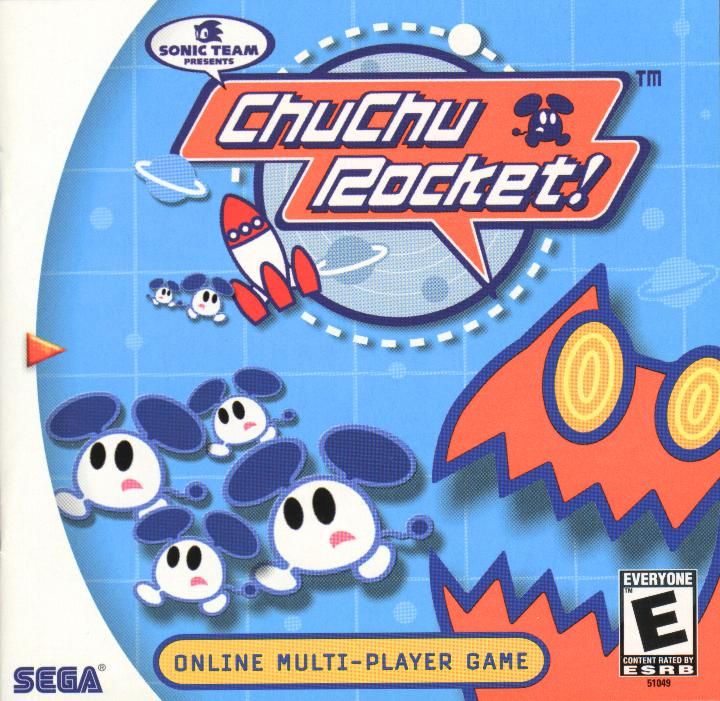

.png)
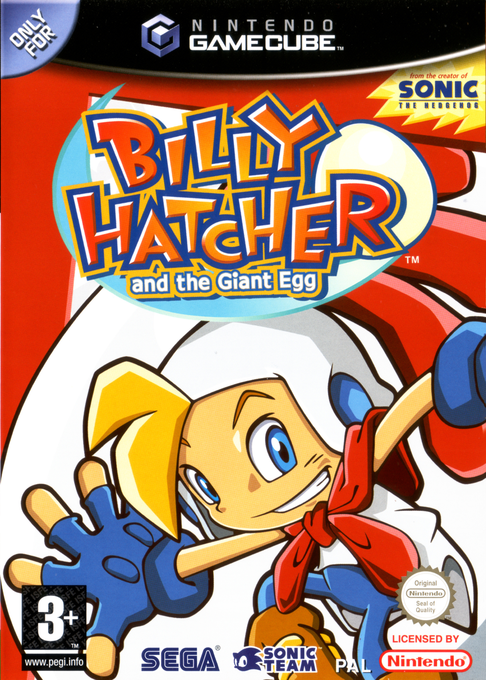
_1.png)
.png)
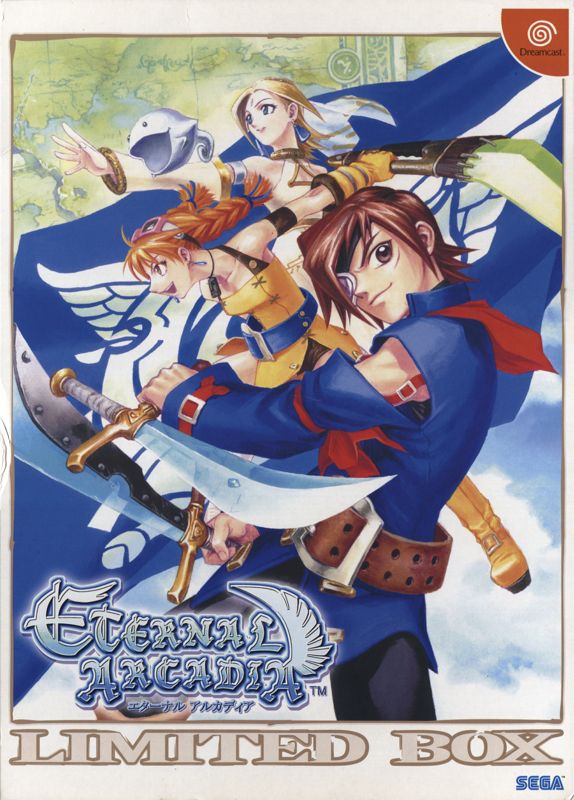
 (Disc 3) (1M).png)