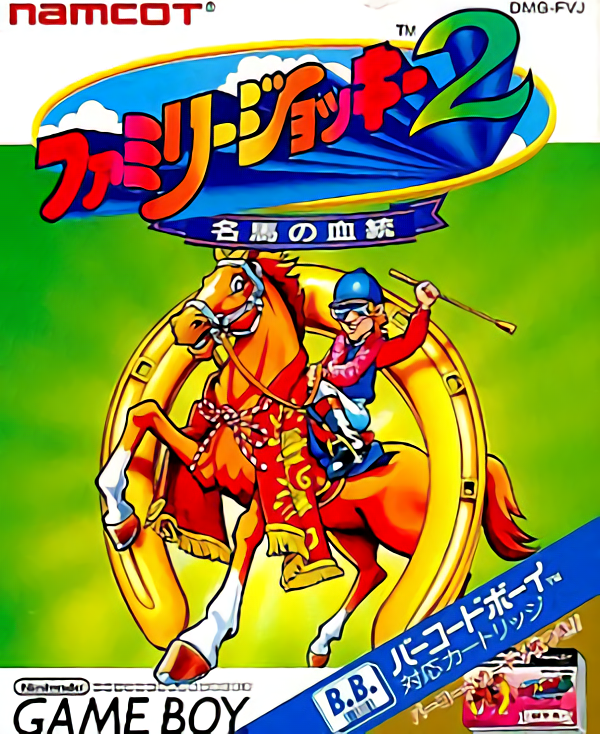
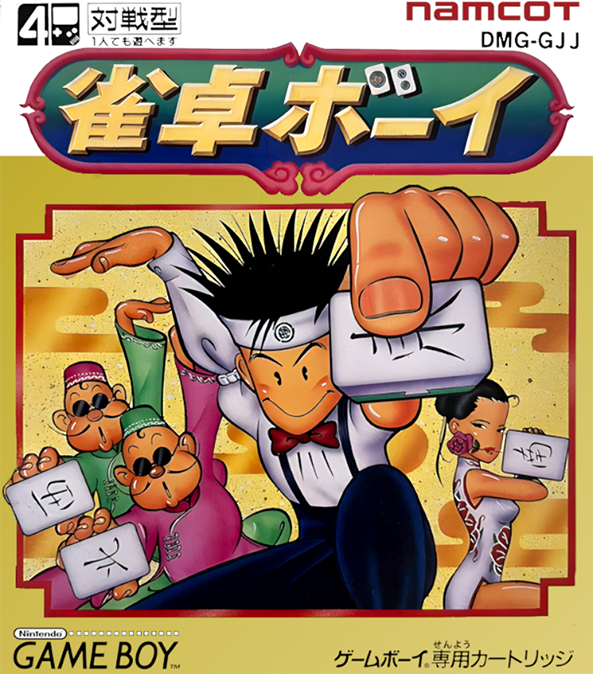
221B Software Development was a game development studio that worked on several console titles during the 8-bit and 16-bit eras. The company is notable for its contributions to sports and action games, including RBI Baseball (1988), Powerball (1991), Quad Challenge (1991), and the horror sequels Splatterhouse 2 (1992) and Splatterhouse 3 (1993). They also worked on Jantaku Boy (1992), Family Jockey 2: Meiba No Kettou (1993), and the 1993 port of Pac-Man.
Operating primarily as a contract developer during the late 1980s and early 1990s, the studio established a close working relationship with Namco and its American publishing division, Tengen. This partnership led to the technical execution of the unlicensed Nintendo Entertainment System release of
RBI Baseball Gray Cart], a pivotal entry in the [RBI Baseball franchise that famously bypassed Nintendo's console lockout chip to reach consumers.
On 16-bit Sega hardware, the developer demonstrated versatility by transitioning from the futuristic sports mechanics of
Powerball and the split-screen racing of
Quad Challenge to atmospheric horror. Their programming on
Splatterhouse 2 and
Splatterhouse 3 pushed the graphical limits of the Genesis, utilizing detailed sprite work and digitized audio to deliver the franchise's signature aesthetic.
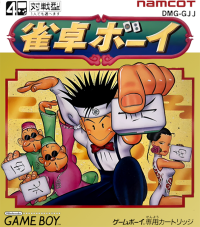
The studio also catered to the Japanese market with specialized releases, including the mahjong title
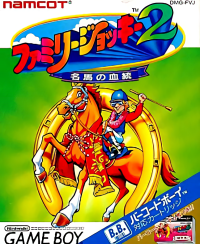
Jantaku Boy and the horse-racing simulation
Family Jockey 2: Meiba No Kettou. Their final major archival contribution involved optimizing the classic arcade coding of
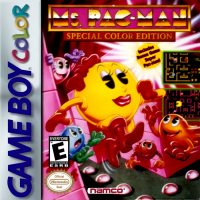
Pac-Man for 16-bit home consoles, ensuring high fidelity to the original Namco source material before the studio transitioned out of active development.
.png)
.png)
.png)
.png)
.png)
.png)
.png)






.png)

.png)
.png)



.png)

.png)
.png)
.png)