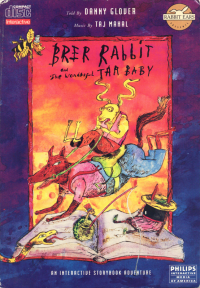
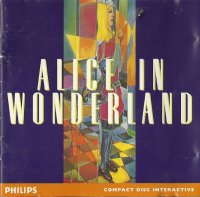
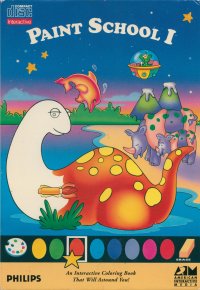
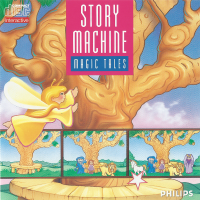
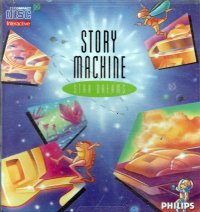
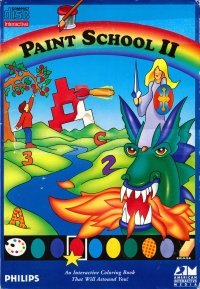
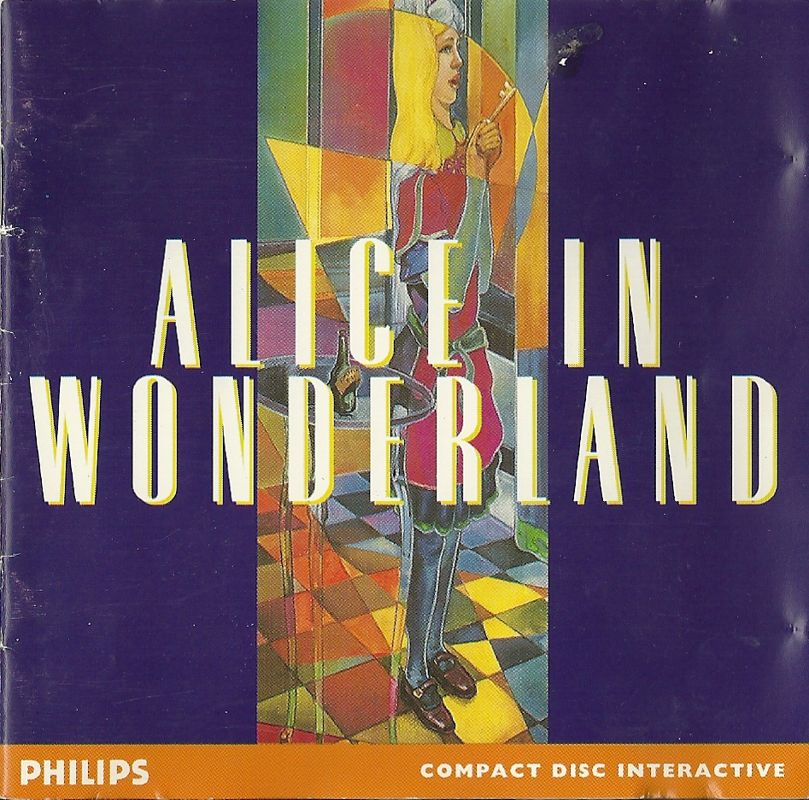
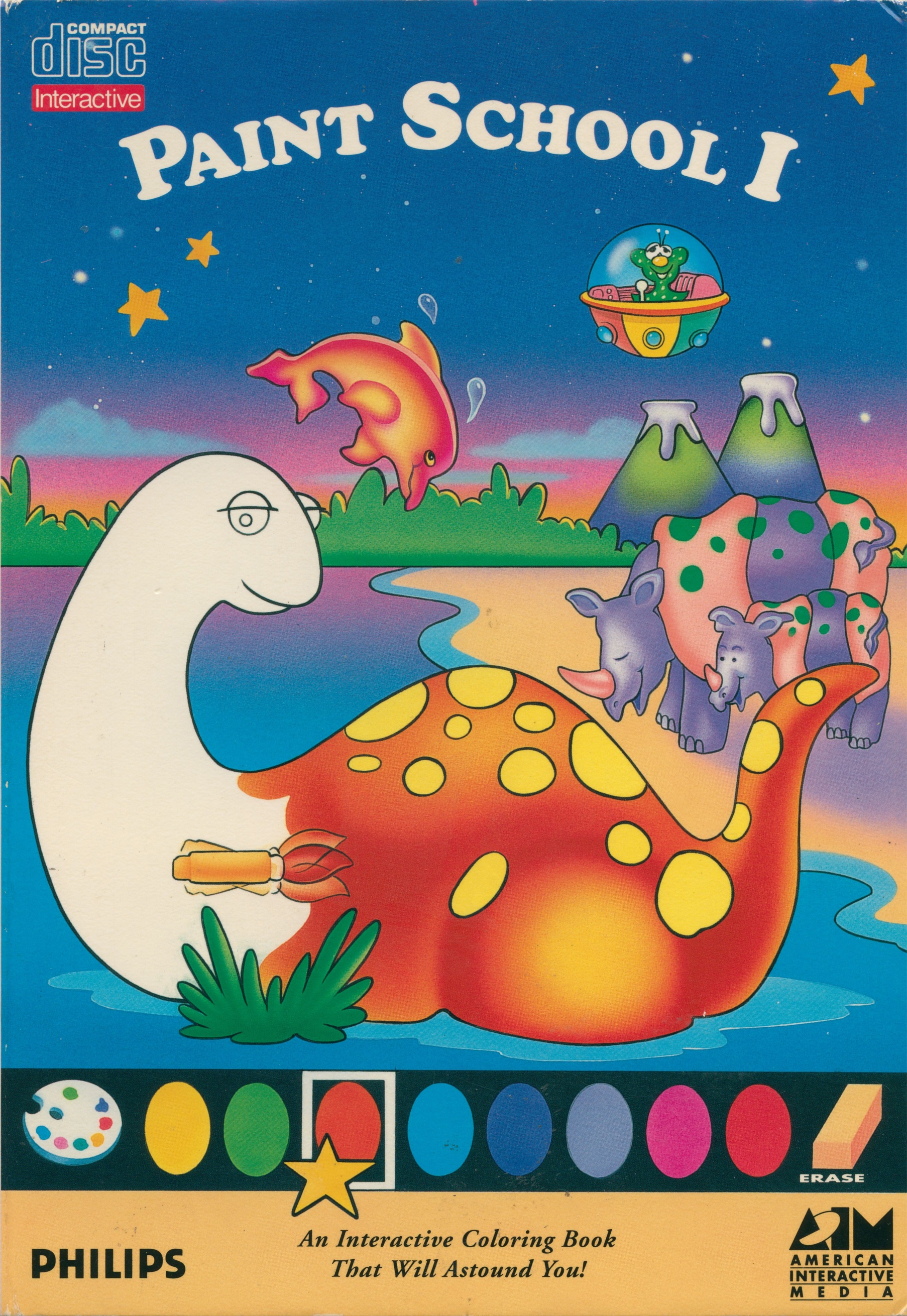
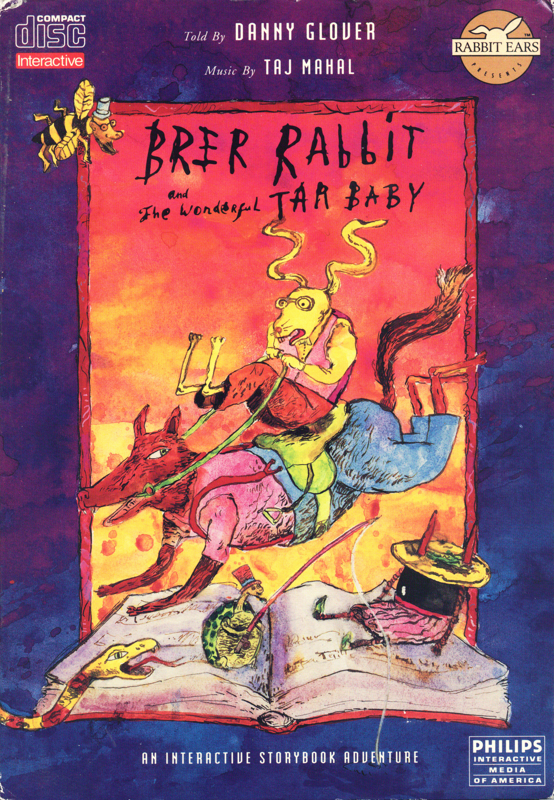
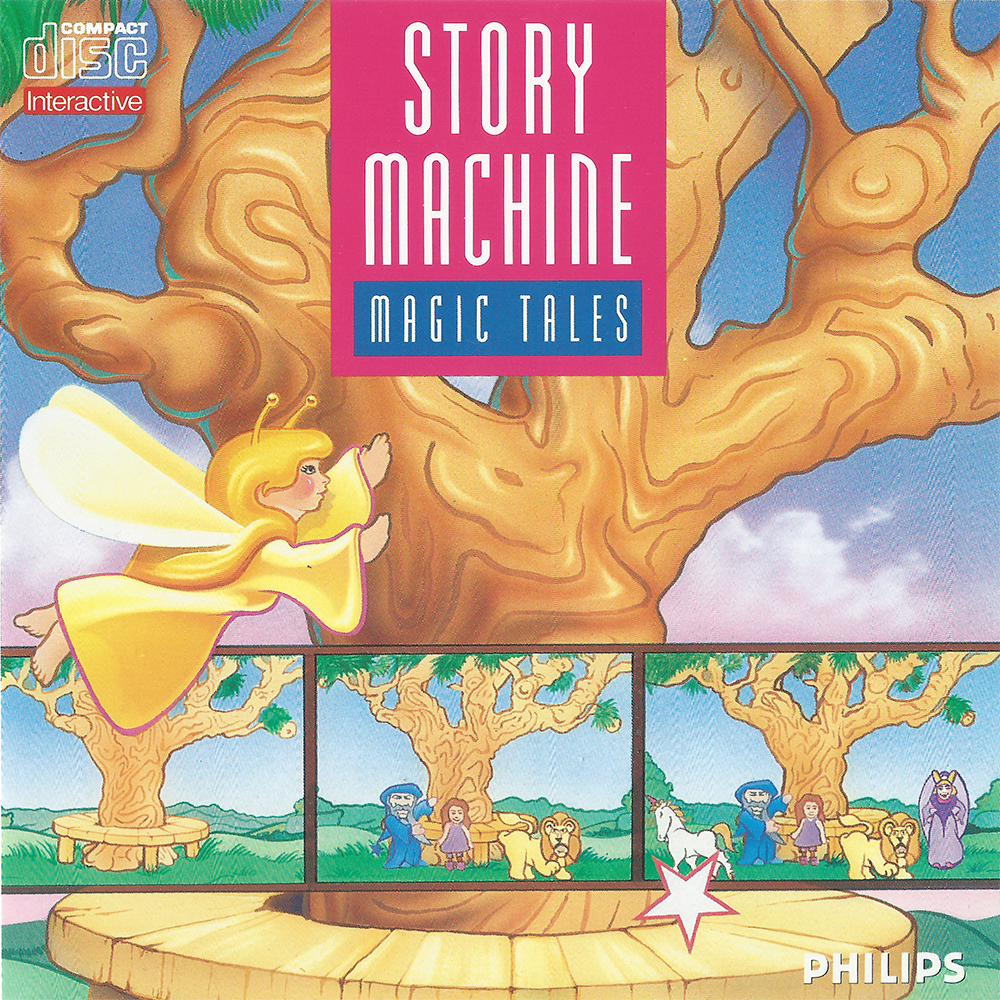
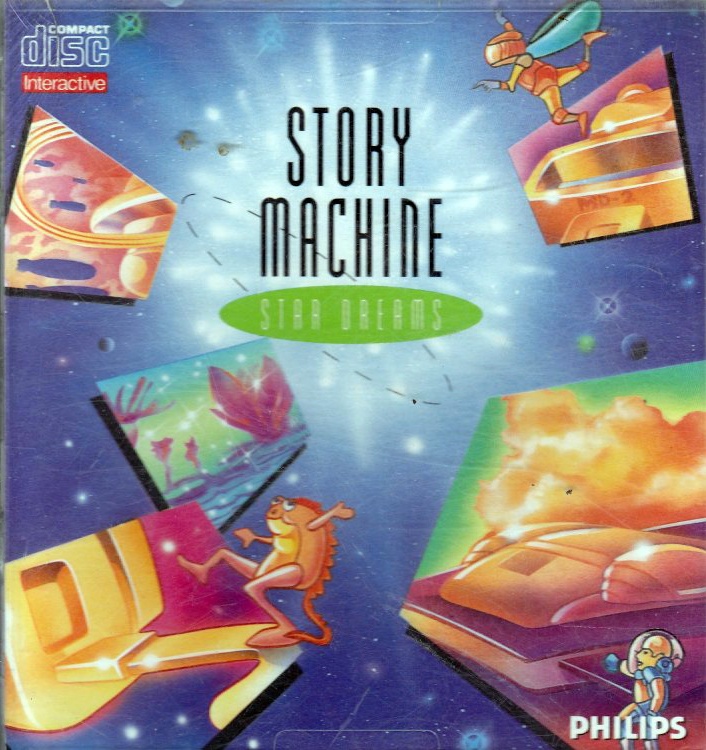
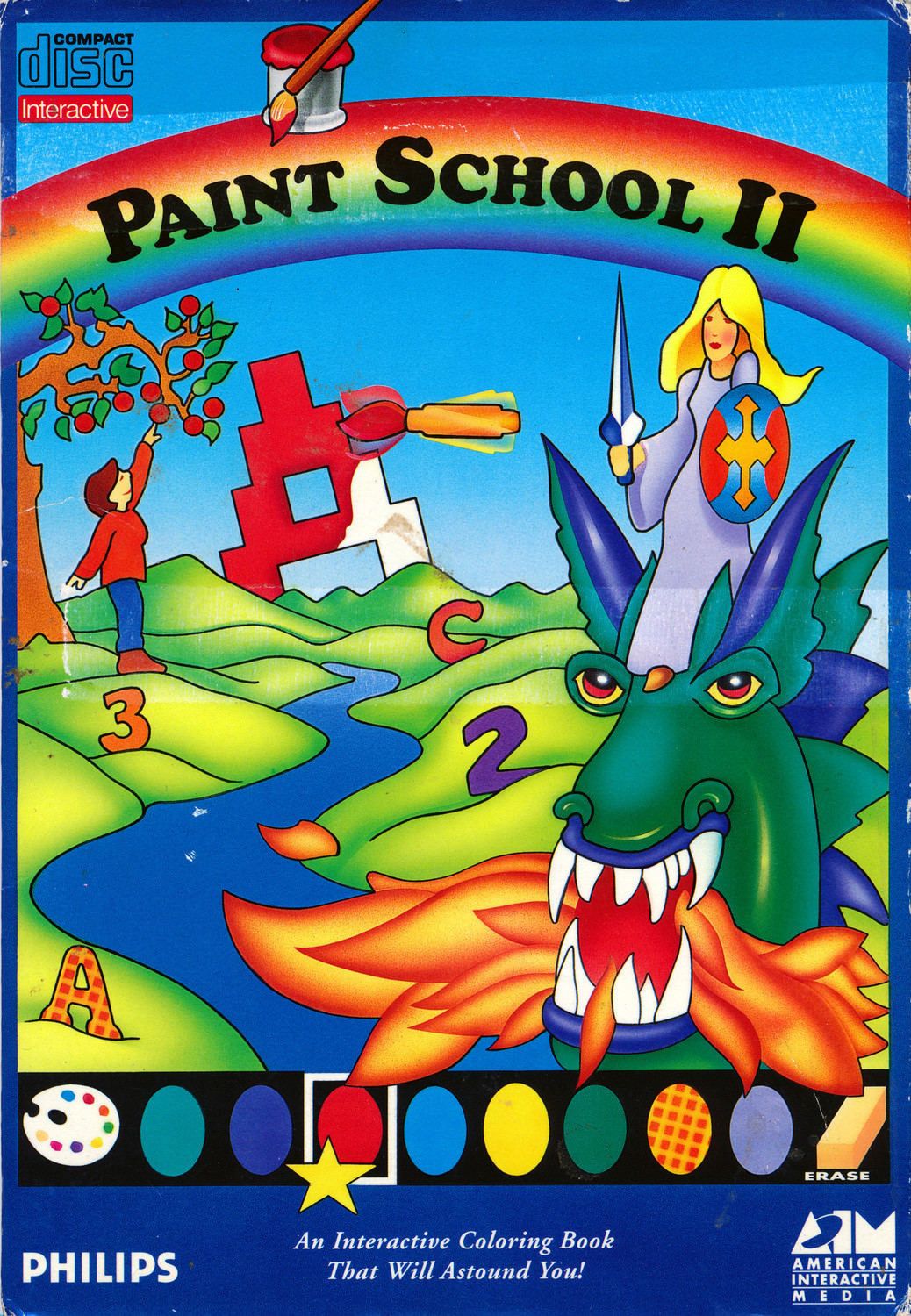
American Interactive Media Inc. (AIM) was pivotal in the early software lineup for the Philips CD-i interactive multimedia system. The company published educational and interactive storybook titles such as Paint School I, Paint School II, Story Machine: Star Dreams, and Story Machine: Magic Tales. They also brought classic literature and traditional games to the platform with releases like Brer Rabbit and the Wonderful Tar Baby, Alice in Wonderland, and Backgammon.
Formed as a joint venture between Philips and PolyGram, the publisher operated during the transition of optical disc technology into the home console market. The company utilized its early software library to demonstrate the technical capabilities of the CD-i hardware, particularly its color palette, audio compression, and point-and-click interface.
The creative suite began with
Paint School II in 1990, followed by
Paint School I in 1991, both designed to showcase the system's remote-control tracking and digital coloring capabilities for young children. To address early childhood literacy, the publisher introduced the
Story Machine franchise, releasing
Story Machine: Star Dreams and
Story Machine: Magic Tales in 1991. These titles allowed users to manipulate words to animate corresponding on-screen actions.
For narrative-driven content, the company adapted public domain literature.
Brer Rabbit and the Wonderful Tar Baby (1991) and
Alice in Wonderland (1992) integrated professional voice narration with static and semi-animated illustrations, establishing the template for the platform's electronic books. Simultaneously,
Backgammon (1991) targeted adult players by offering a digital implementation of the classic board game with simulated opponents. The publisher was eventually absorbed into Philips Media as the platform's software strategy shifted.
.png)

.png)