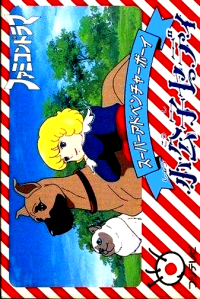
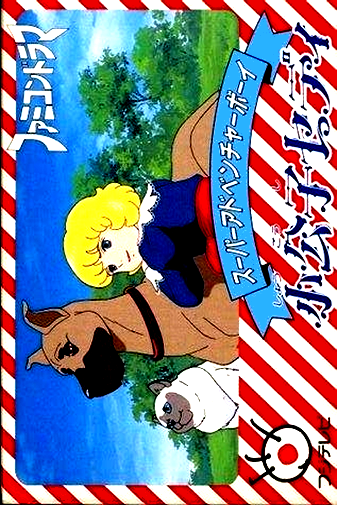
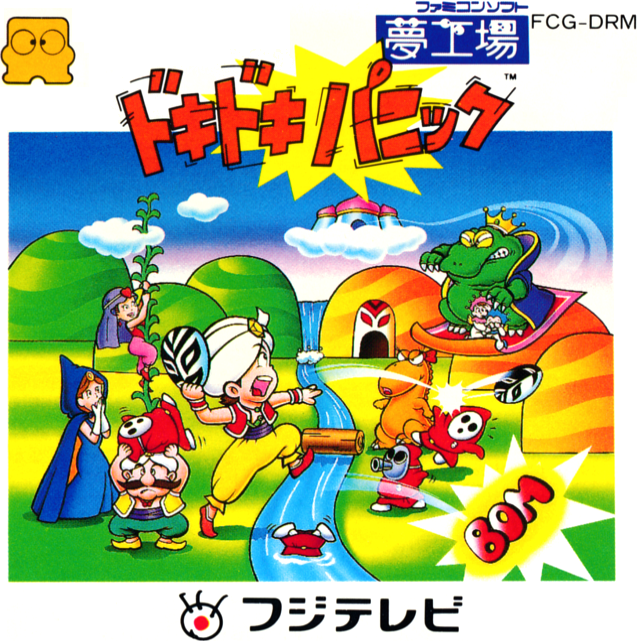
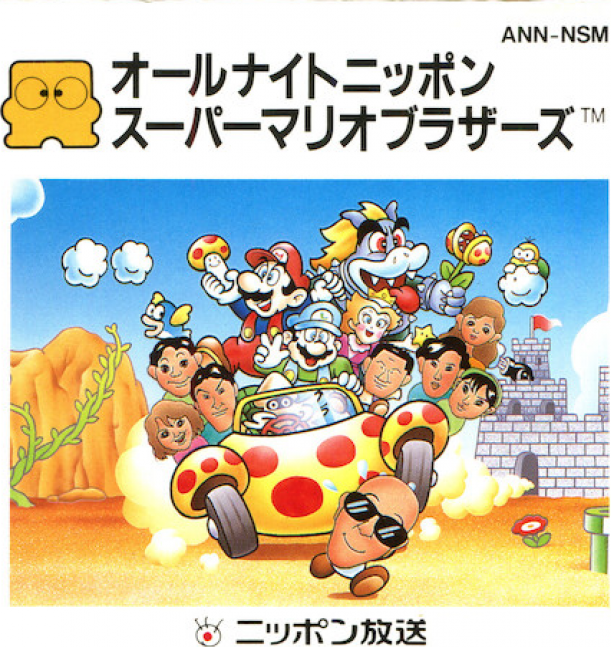
Fuji Television is notable in gaming history for partnering with Nintendo to release 'Yume Koujou: Doki Doki Panic' (1987), which served as the basis for the Western 'Super Mario Bros. 2'. The company also published 'All Night Nippon Super Mario Bros.' (1986) as a radio show tie-in, and released games based on its anime broadcasts, such as 'Shoukoushi Ceddie' (1988).
The development of
Yume Koujou: Doki Doki Panic stemmed from the "Yume Koujou '87" festival, a massive promotional event designed to showcase the broadcaster's upcoming television lineup. The game's playable protagonists—Imajin, Lina, Mama, and Papa—were the official mascots of this expo. By licensing these characters to Nintendo, the broadcaster integrated corporate branding directly into Famicom Disk System software.
For
All Night Nippon Super Mario Bros, the collaboration leveraged the network's radio broadcasting arm. This rare promotional release altered the original game's assets, replacing Goombas and Piranha Plants with the likenesses of popular Japanese disc jockeys and musicians, including Tamori and Beat Takeshi. It was distributed exclusively through a lottery system to listeners of the late-night radio program.
The publisher's foray into anime adaptations yielded
Saikoushi Sedi (also released as
Shoukoushi Ceddie), an adventure game based on the World Masterpiece Theater animated series. This title allowed players to experience the narrative of the television broadcast on the Famicom. Through these targeted releases, the media conglomerate demonstrated the viability of cross-media synergy, utilizing Nintendo's hardware to extend the reach of its television and radio intellectual properties.
_1.png)

_1.png)