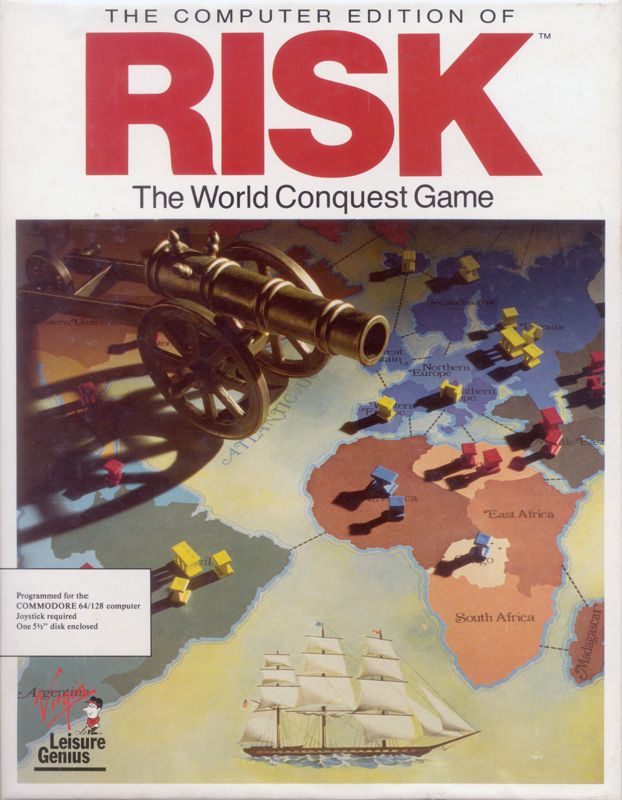
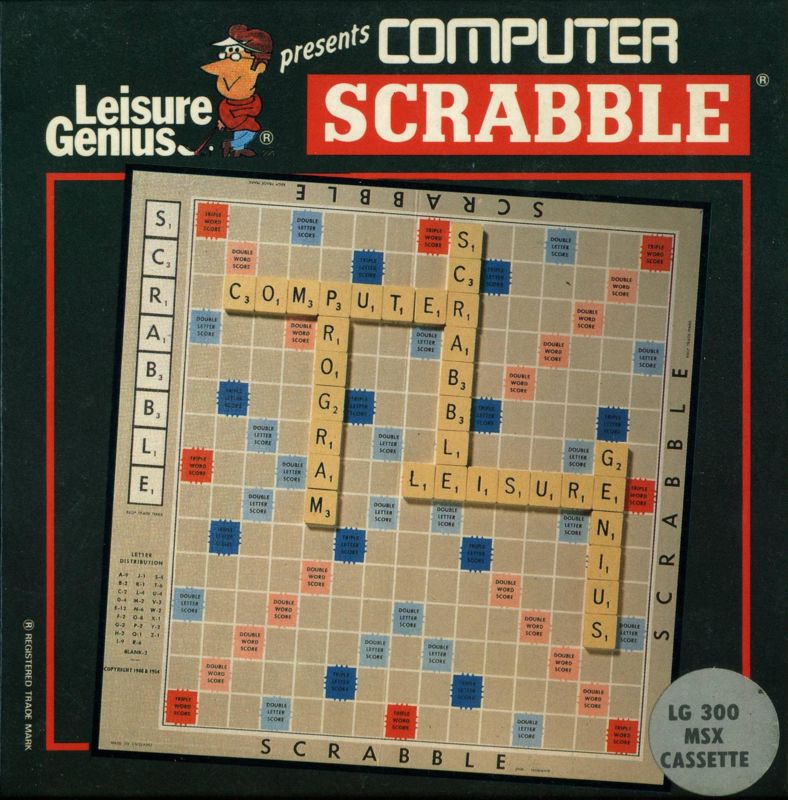
Leisure Genius specialized in bringing traditional board games to home computers during the 1980s. They published official digital adaptations of popular tabletop franchises, including Waddingtons Deluxe Monopoly and Risk in 1988, alongside earlier titles like IO in 1982 and Crossword in 1985.
Operating primarily in the United Kingdom, the publisher secured licensing agreements with major toy and game manufacturers to translate physical play mechanics into digital formats. For the 1982 release
IO, development focused on utilizing the limited graphical capabilities of early microcomputers like the ZX81. By the time
Crossword debuted in 1985, the publisher had expanded its reach to the Commodore 64 and Amstrad CPC, introducing interactive grid-solving mechanics that appealed to casual gamers.
The culmination of these licensing efforts materialized in 1988 with the releases of
Waddingtons Deluxe Monopoly and
Risk. Developed for 16-bit platforms such as the Atari ST and Commodore Amiga, as well as 8-bit systems, these titles featured artificial intelligence opponents, digitized sound effects, and faithful visual recreations of the physical boards.
Waddingtons Deluxe Monopoly allowed up to eight players to compete under official tournament rules, while
Risk offered complex tactical map screens and automated dice rolling. These releases established a blueprint for digital board game conversions, demonstrating how computer processing could streamline setup times and enforce complex rulesets automatically.