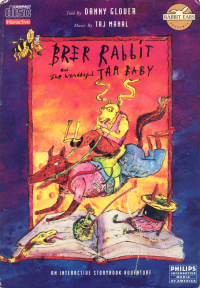
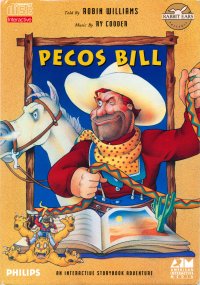
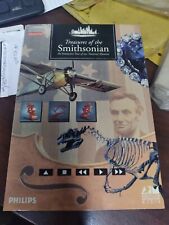
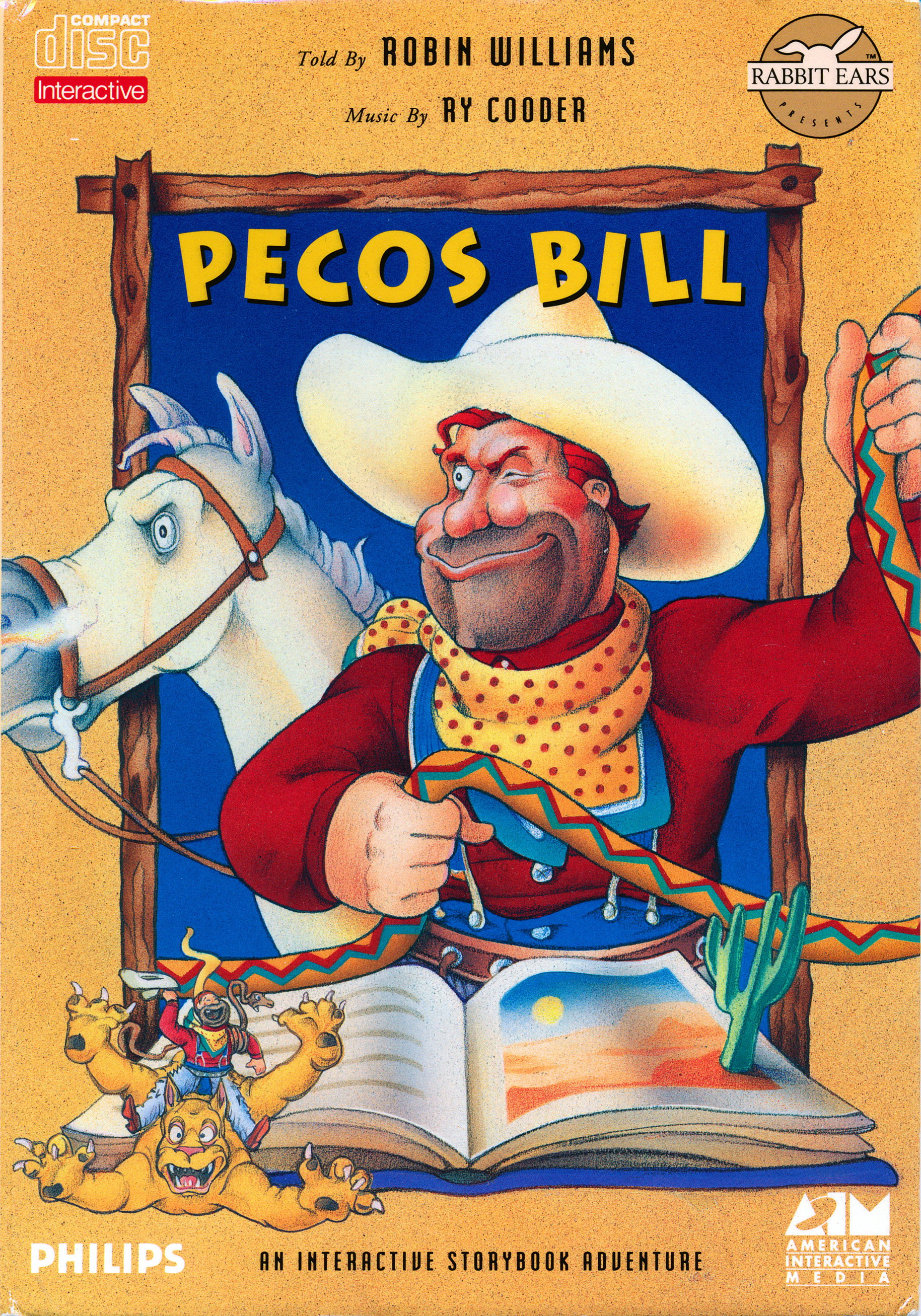
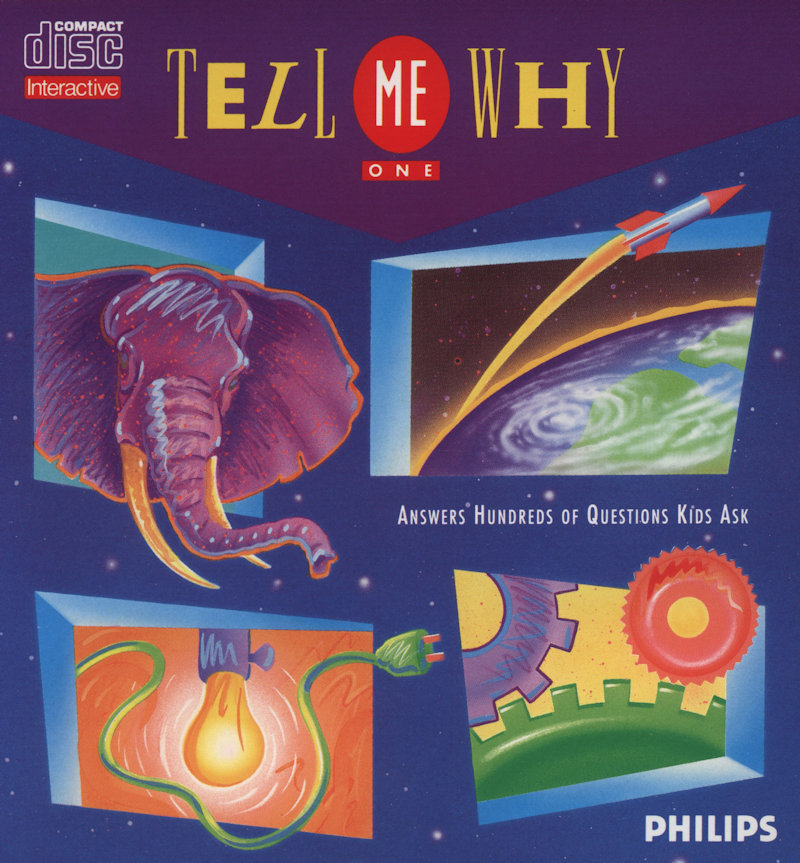
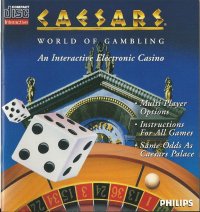
Philips published early CD-i titles such as Treasures of the Smithsonian and ABC Sports Presents: The Palm Springs Open. The company focused heavily on edutainment and interactive storybooks, releasing titles like Brer Rabbit and the Wonderful Tar Baby, Pecos Bill, and Little Monster At School. They also published utility and simulation software including Classical Jukebox and Caesars World of Gambling.
To drive adoption of its proprietary hardware, including the
Magnavox CDi 470 (1990) console, the Dutch electronics giant established dedicated software divisions to populate the platform's library. These early software efforts aimed to demonstrate the storage capacity of the CD-ROM format. For instance, the virtual museum tour
Treasures of the Smithsonian (1990) showcased high-resolution photography and audio narration, while
ABC Sports Presents: The Palm Springs Open (1991) attempted to replicate realistic sports broadcasting through digitized video and audio.
The publisher's strategy relied heavily on licensing established intellectual properties and traditional folklore to appeal to families. American folk tales were adapted into interactive formats with
Pecos Bill (1991) and
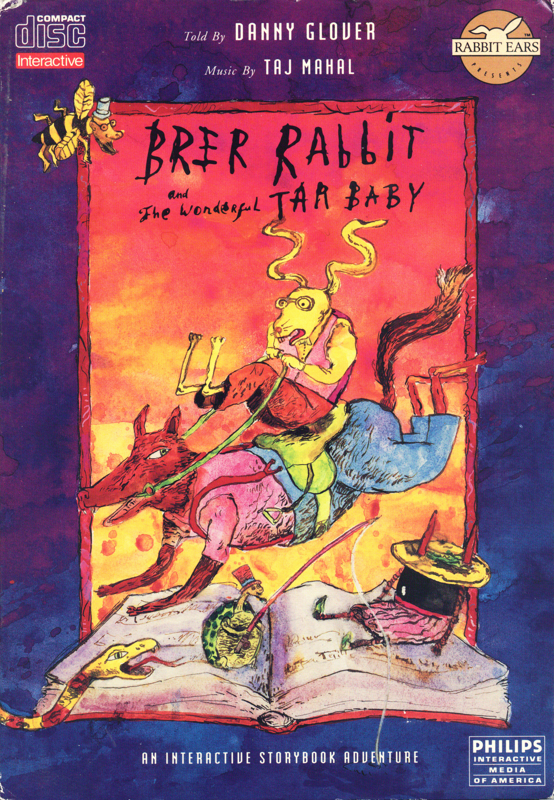
Brer Rabbit and the Wonderful Tar Baby (1991), utilizing animated screens and read-along text. This approach expanded to contemporary children's literature with
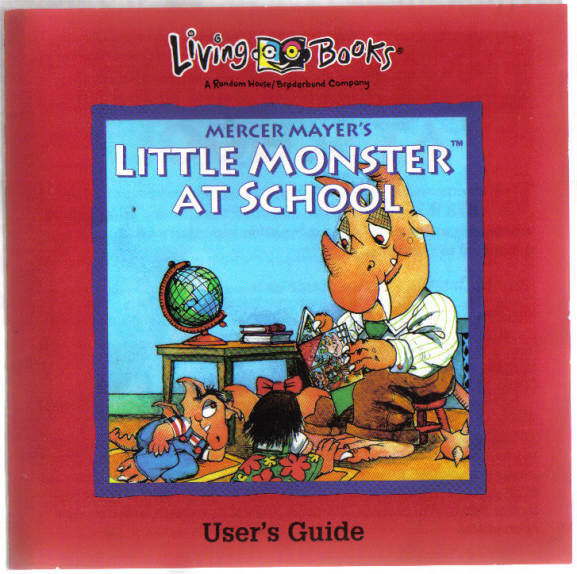
Little Monster At School (1991), based on Mercer Mayer's characters. For older audiences, the publisher targeted niche hobbies, utilizing
Classical Jukebox (1991) to demonstrate the format's audio capabilities, and
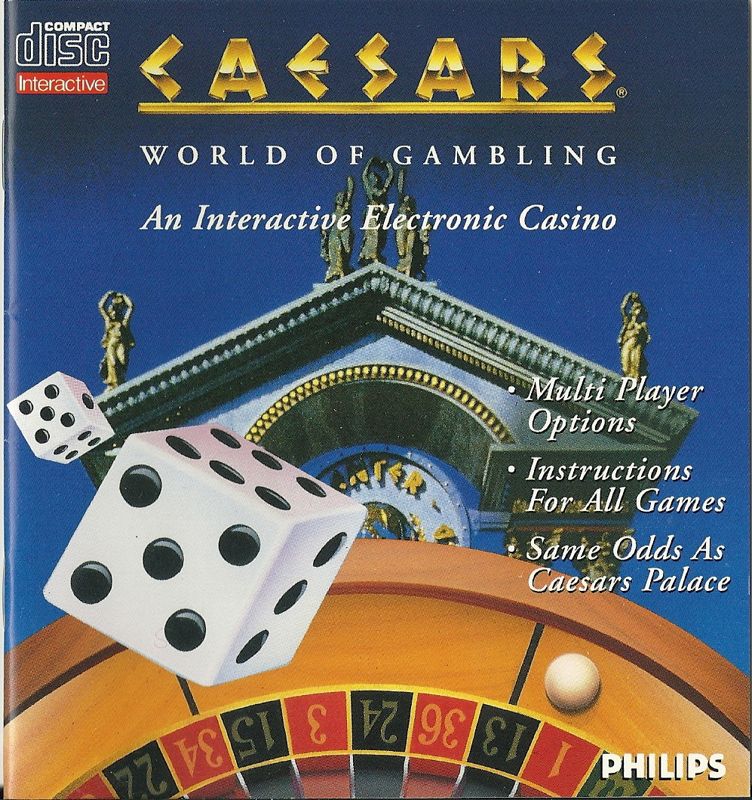
Caesars World of Gambling (1991) to simulate casino environments. Together, these releases formed the foundational software catalog that defined the platform's early multimedia identity.
.png)
.png)




.png)
.png)