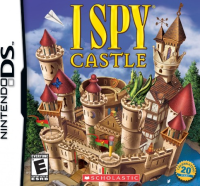
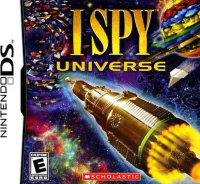
Scholastic Inc. published and licensed video games based on its popular literary properties, including the I Spy series with titles like I Spy Challenger and I Spy Funhouse, and the Goosebumps franchise with Goosebumps HorrorLand. The company also released early educational software and games in the 1980s, such as Adventure and Pirates, alongside its multimedia book-and-game adaptations.
During the microcomputer boom of the early 1980s, the publisher established a dedicated media division to bring interactive learning into classrooms and homes. Early text-and-graphics software like
Adventure (1981) and its
Adventure [Red Label] (1981) variant introduced students to basic problem-solving and computer literacy. This was followed by
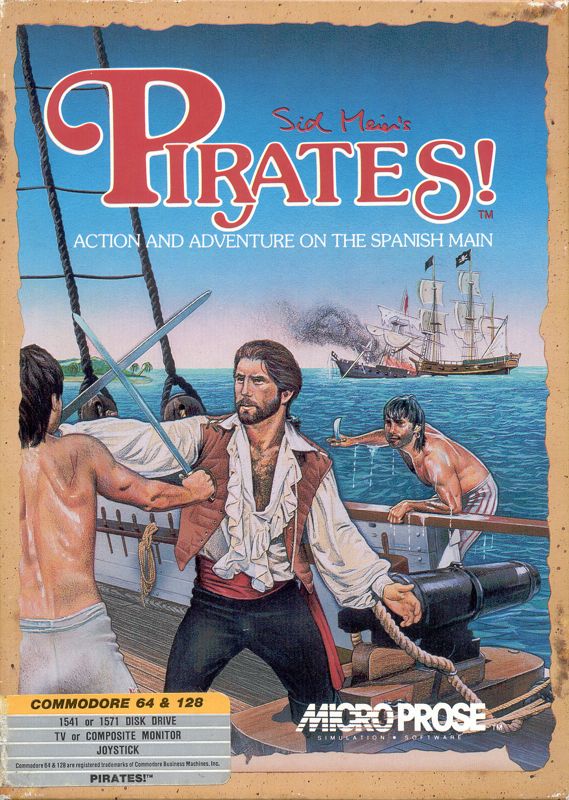
Pirates (1985), an educational strategy title designed to teach geography and history through simulated maritime navigation.
As gaming hardware transitioned to handheld consoles in the 2000s, the company adapted its educational catalog for platforms like the Nintendo DS and Game Boy Advance.
I Spy Challenger (2002) utilized the Game Boy Advance Link Cable for multiplayer puzzle-solving, while
I Spy Funhouse (2007) leveraged the Nintendo DS touch screen for hidden-object gameplay. During this period, the publisher also released
Animal Genius (2007), a wildlife-themed educational game featuring quick-fire trivia and sorting puzzles. To maximize the reach of its intellectual properties, the company synchronized its media releases, launching the
Goosebumps Horrorland [Book] (2008) series concurrently with the
Goosebumps HorrorLand (2008) adventure game, establishing a unified multiplatform narrative for young audiences.



.png)


.jpg)
.jpg)
.png)
.png)
.png)


.png)
.png)
.png)
.png)
.jpg)
.jpg)