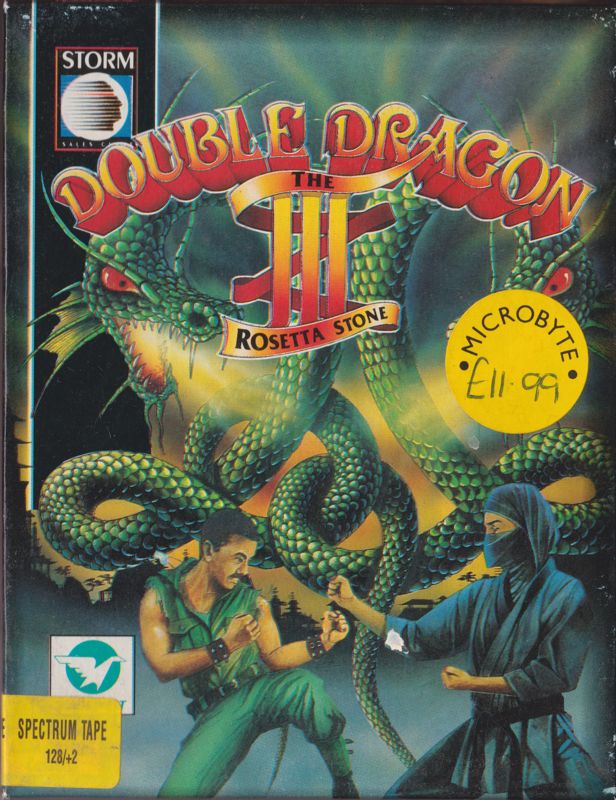
Storm published several home computer ports of the Double Dragon franchise, including Double Dragon and Double Dragon 3: The Rosetta Stone. The label was also responsible for releasing notable titles such as SWIV, Super SWIV, Rodland, Eliminator Boat Duel, and Troddlers across various platforms.
Operating as a publishing imprint of the British software house Sales Curve during the late 1980s and early 1990s, the label capitalized on the booming European home computer market. Its strategy relied on securing licensing rights for major arcade properties and translating their cooperative gameplay mechanics to systems like the Amiga, Atari ST, Commodore 64, and ZX Spectrum.
The technical execution of the
Double Dragon ports required significant optimization to replicate the arcade experience on domestic hardware. For
Double Dragon (1988) and
Double Dragon (1989), this meant adapting multi-directional scrolling and simultaneous two-player action for 8-bit and 16-bit processors. This technical foundation paved the way for their handling of
Double Dragon 3: The Rosetta Stone (1987).
Beyond martial arts brawlers, the label fostered internal development and external partnerships to expand its catalog. The release of
SWIV (1991) and its console counterpart
Super SWIV (1992) advanced the military shoot-'em-up genre, while the conversion of
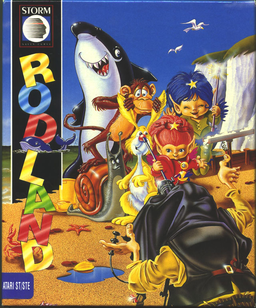
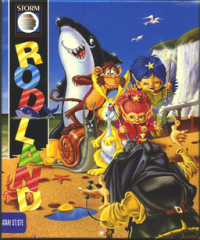
Rodland (1991) and the release of
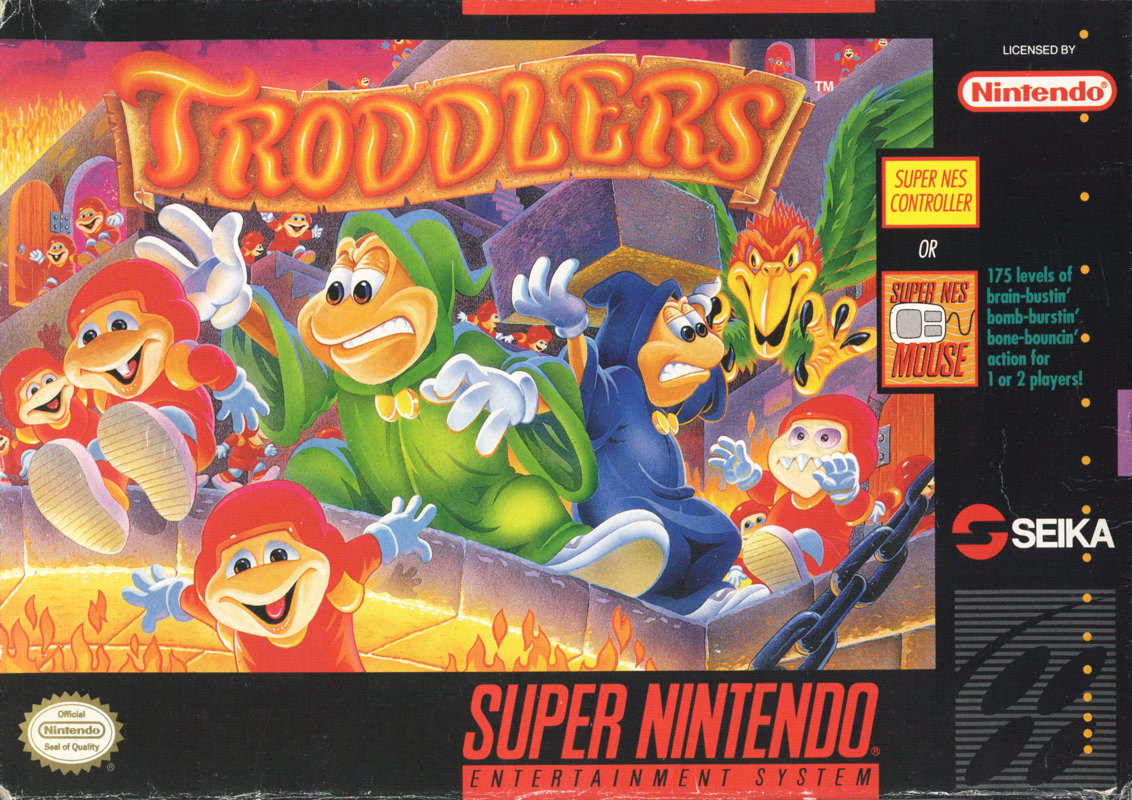
Troddlers (1993) targeted the popular single-screen platform-puzzle market. Additionally,
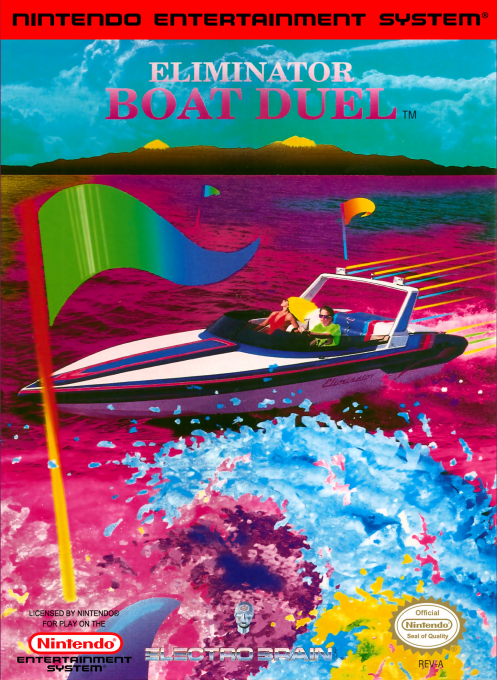
Eliminator Boat Duel (1993) represented a venture into console racing, cementing the brand's association with high-energy multiplayer experiences before Sales Curve consolidated its operations under the SCi banner.
.png)
_1.png)
 (Compilation - Magnum 4).png)

-Back.png)


_1.png)

 (Compilation - Magnum 4).png)
-Back.png)