Visit was a Japanese video game publisher and developer best known for creating personality-test and fortune-telling games. They published multiple entries in 'The Shinri Game' franchise, including the original 1993 and 1994 releases, 'The Shinri Game 2', 'The Shinri Game 3', and 'The Shinri Game IV'. The company also published other divination-themed titles such as 'Tarot Mystery' and 'The Uranai 4: Harapeko Kuma No Kaiun Kabbalah Uranai', alongside the adventure game '19-03 Ueno Hatsu Yakou Ressha'.
Operating during the 16-bit and 32-bit console eras, the company carved out a distinct niche by targeting casual and multiplayer audiences with psychological and esoteric themes. The flagship series began on the Super Famicom with
The Shinri Game (1993), which utilized multiple-choice questionnaires to analyze players' personalities. This formula was adapted for portable play with the Game Boy release of
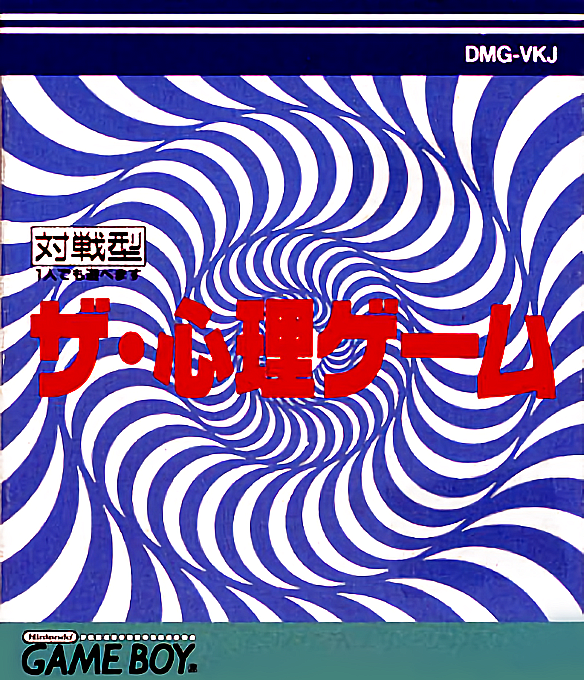
The Shinri Game (1994), followed by the Super Famicom sequels
The Shinri Game 2 (1995) and
The Shinri Game 3 (1995). These titles allowed groups of players to compare psychological profiles, making them popular party games in Japan.
Expanding beyond psychological tests, the company integrated traditional divination systems into interactive software.
Tarot Mystery (1995) brought card reading to the Super Famicom, featuring designs by artist Yasuhiro Nightow. As hardware transitioned to the PlayStation, the publisher released
The Shinri Game IV (1999) to leverage CD-ROM capacity for enhanced presentation, alongside the mystery adventure title
19-03 Ueno Hatsu Yakou Ressha (1999). The company's focus on fortune-telling culminated on the Game Boy Color with
The Uranai 4: Harapeko Kuma No Kaiun Kabbalah Uranai (2000), which utilized Kabbalah numerology.
_1.png)
.png)
.png)
.png)
_1.png)
.png)
_1.png)
_1.png)
_1.png)
_1.png)
.png)
_1.png)

_1.png)

.png)
_1.png)
_1.png)
_1.png)

.png)
.png)
.png)
_1.png)

.png)
_1.png)
_1.png)
_1.png)

_1.png)