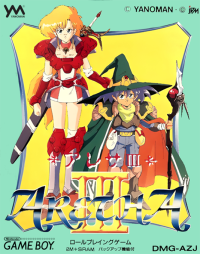
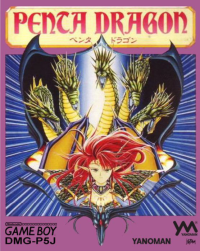
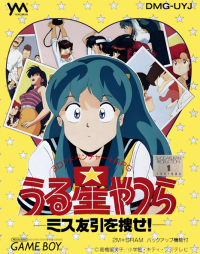
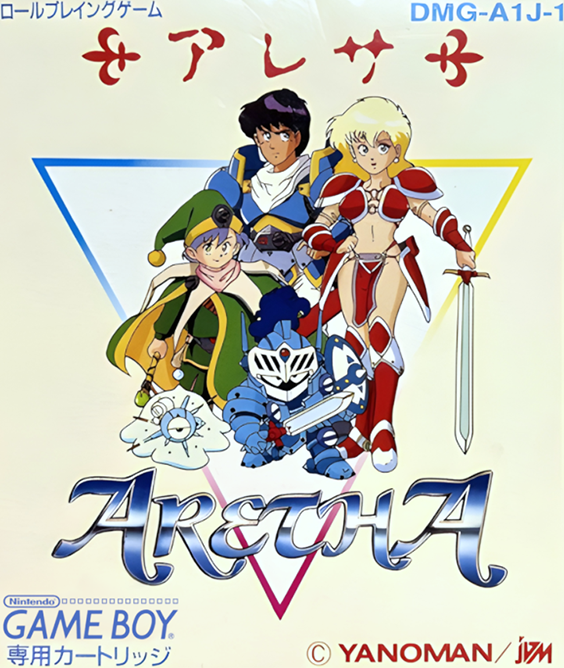
Yanoman is a Japanese publisher known for releasing video games during the Game Boy and Super Famicom eras. The company published the original Aretha RPG trilogy (Aretha, Aretha II, and Aretha III) for the Game Boy, as well as titles like Penta Dragon, Song Master, Trinea, and Nobunaga Kouki. They also published the anime-licensed Game Boy title Urusei Yatsura: Miss Tomobiki o Sagase.
Originally established as a jigsaw puzzle manufacturer, the company expanded into software publishing by partnering with independent developers like Japan Art Media. This collaboration established a strong presence on Nintendo's handheld hardware. The release of
Aretha (1990) introduced players to a turn-based fantasy RPG featuring a rare female protagonist, Ariel. The title's commercial success prompted the rapid development of
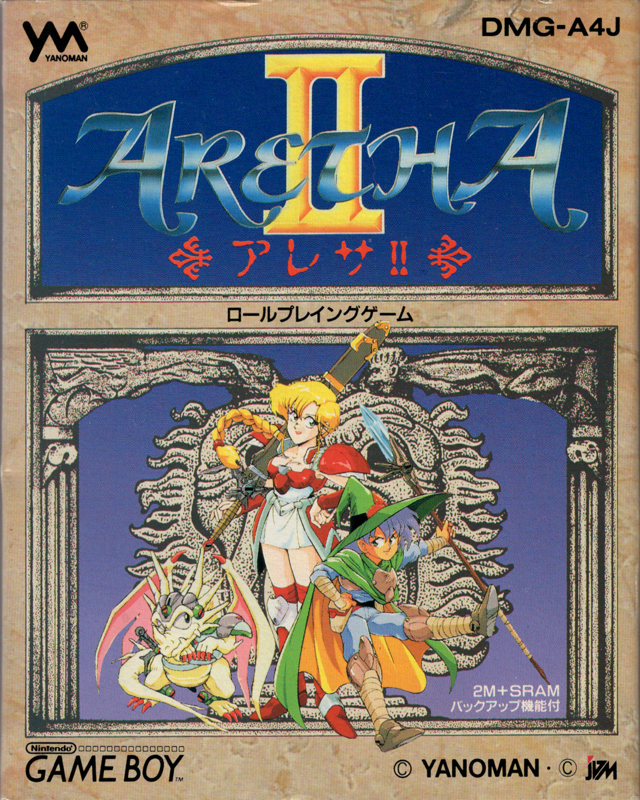
Aretha II (1991) and
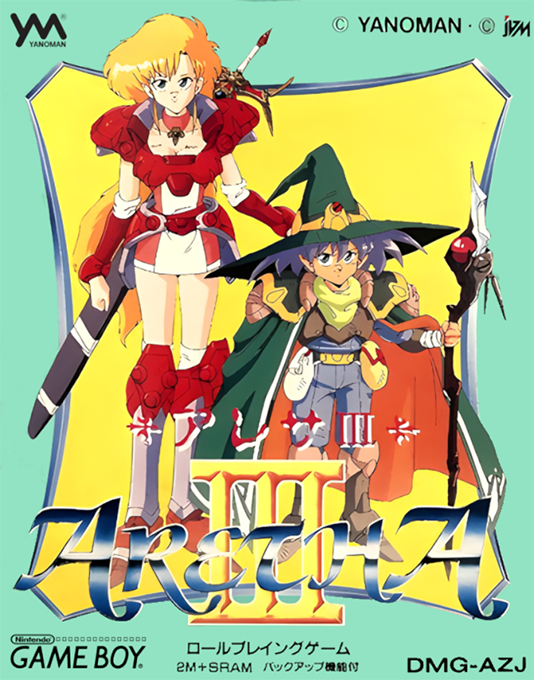
Aretha III (1992), solidifying the trilogy as a staple of the early Game Boy RPG library. During this same period, the publisher diversified its handheld lineup with
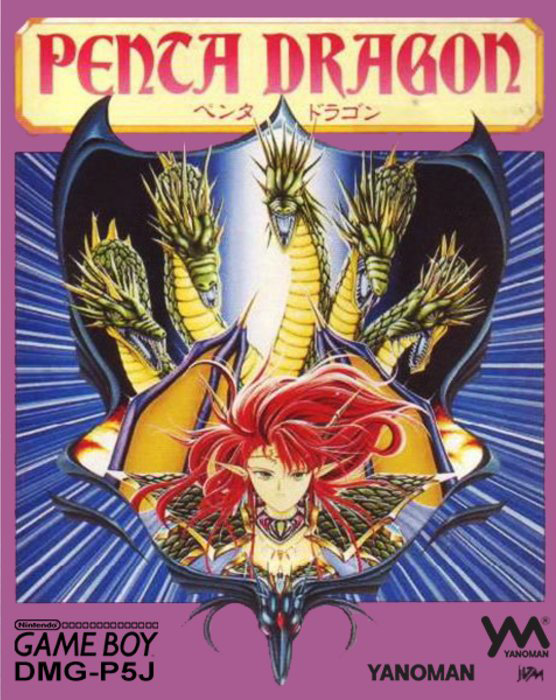
Penta Dragon (1992), an action-oriented title, and
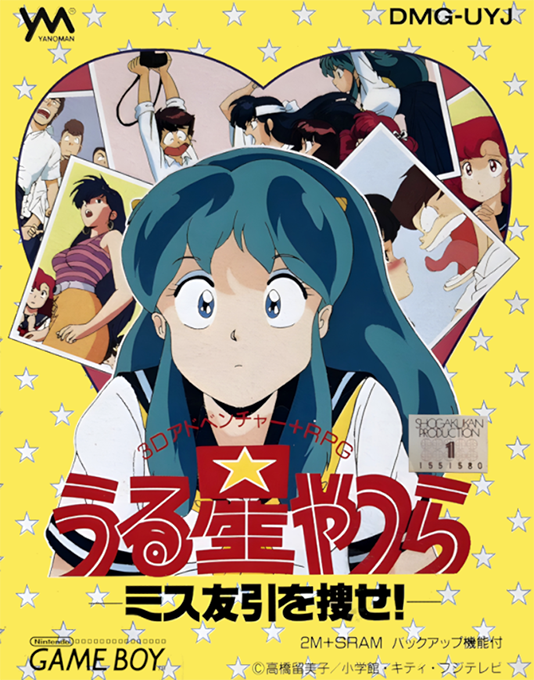
Urusei Yatsura: Miss Tomobiki o Sagase (1992), which adapted popular anime iconography into a portable adventure format.
As the market shifted toward 16-bit consoles, the publisher transitioned its focus to the Super Famicom. This era saw the release of
Song Master (1992), a tactical role-playing game, and
Trinea (1993), an action-RPG featuring multiple playable characters with distinct storylines. The company also ventured into historical simulation with
Nobunaga Kouki (1993), which tasked players with unifying feudal Japan. While these releases demonstrated a willingness to explore diverse genres, the publisher eventually scaled back its video game operations to refocus on its core tabletop and puzzle product lines.
.png)
.png)
 (En,Fr,De,Es,It).png)
.png)
.png)
_1.png)
.png)

 (En,Fr,De,Es,It).png)



.png)
.png)
_1.png)
.png)

.png)
.png)