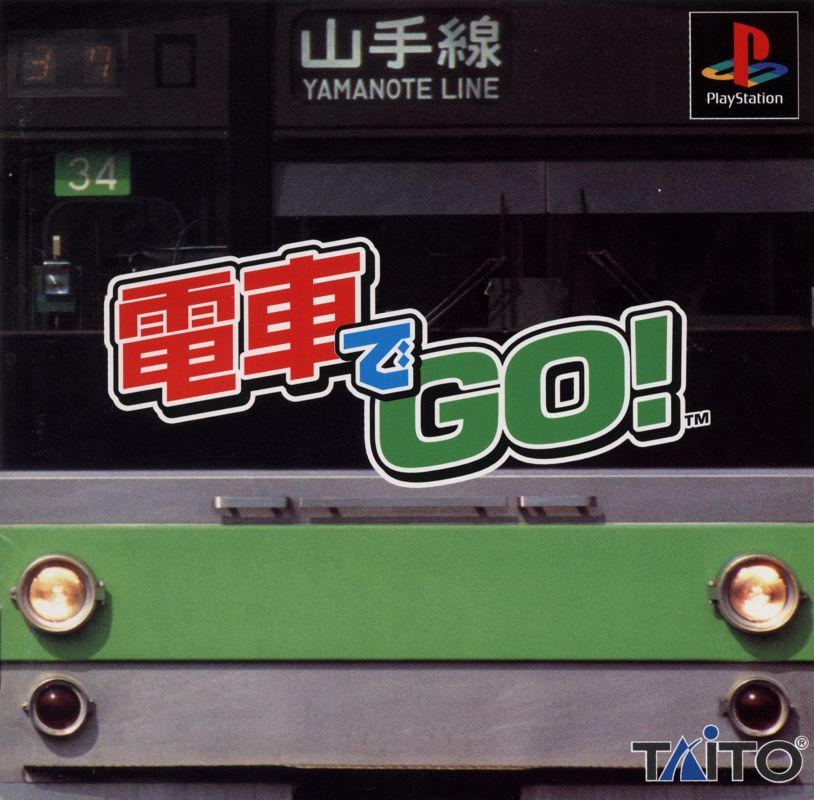
Densha de Go! is a long-running Japanese train simulation series created by Taito. The franchise debuted in arcades before being ported to home consoles, starting with Densha de Go! (1997) and its Nintendo 64 port Densha de Go! 64 (1999). Players must operate various real-world trains according to strict timetables and safety regulations, as seen in sequels like Densha de Go! 2 (1999) and later handheld releases like Densha de Go! (2010).
The series gained immense popularity in Japan due to its highly detailed recreation of real-world Japanese railway lines, such as the Yamanote Line. To enhance the simulation's realism, dedicated train-controller peripherals mimicking actual cabin throttles and brake levers were released. This hardware integration was prominent in special packages like
Densha De Go [Big Box] (1997).
Following the success of the original
Densha De Go (1997), the franchise expanded rapidly across multiple platforms. Handheld conversions brought the experience to portable systems, including
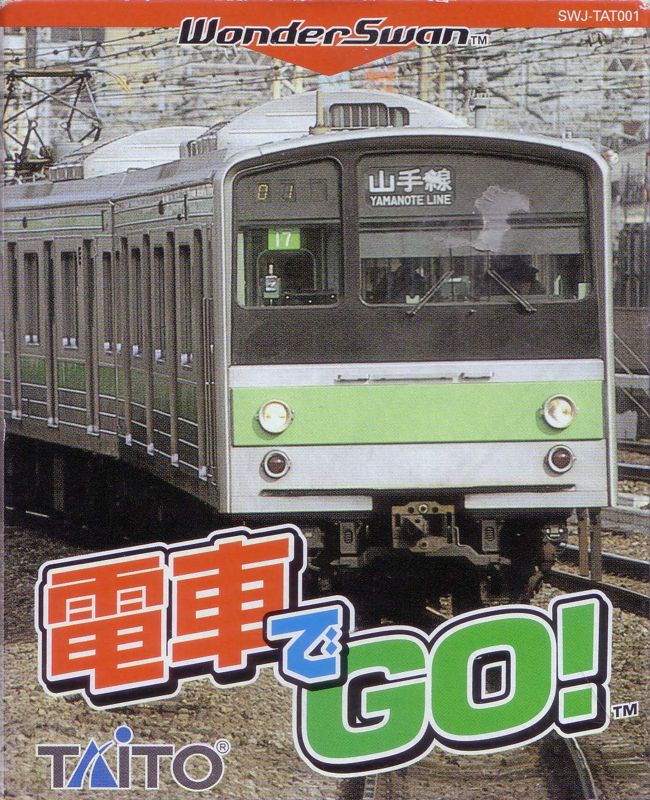
Densha de Go (1999) for the WonderSwan and Game Boy Color, alongside another portable iteration of
Densha De Go (1999) for the Neo Geo Pocket Color. Home console players received dedicated adaptations such as
Densha de Go 64 (1999), which uniquely utilized the Nintendo 64's Voice Recognition Unit for passenger announcements.
The sequel,
Densha de Go 2 (1999), introduced faster train models like the Akita Shinkansen. This was followed by various home ports, including
Densha de GO 2 (2000) for the Dreamcast. Decades later, the franchise maintained its cultural footprint with legacy-focused releases like
Densha de Go (2010) for the Nintendo DS, which celebrated the history of the Yamanote Line.
.png)

.png)
.png)

_1.jpg)


.png)


.png)


.png)

_1.jpg)