The DuckTales video game series began with Capcom's critically acclaimed 1989 platformer DuckTales for the NES, which was later ported to the Game Boy in 1990. The franchise also includes DuckTales: The Quest for Gold, an action-adventure game released in 1990 for various home computer platforms. These games follow Scrooge McDuck as he travels the world to collect treasures and increase his fortune.
Key personnel at Capcom, including producer Tokuro Fujiwara, crafted the unique mechanics of
Duck Tales (1989). The signature pogo-stick jump allowed players to traverse hazards, defeat enemies, and bounce off objects to reach hidden areas. This non-linear platforming structure let players select their own route through five distinct stages. Meanwhile, the computer-focused
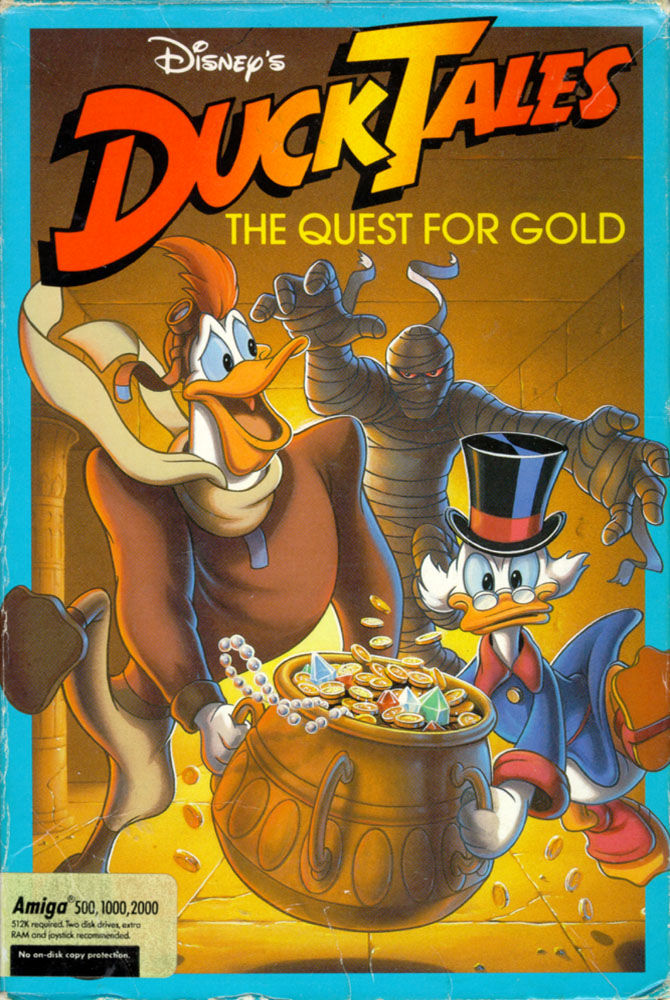
Duck Tales: Quest for Gold (1990) diverged significantly, offering a variety of action-oriented mini-games such as flying flight simulators, scaling cliffs, and exploring caverns.
The franchise expanded rapidly across multiple platforms. Walt Disney Computer Software published alternative versions, leading to
Duck Tales (1990) releases for the Amiga, Atari ST, and Commodore 64. Handheld and microcomputer markets also received dedicated adaptations, including
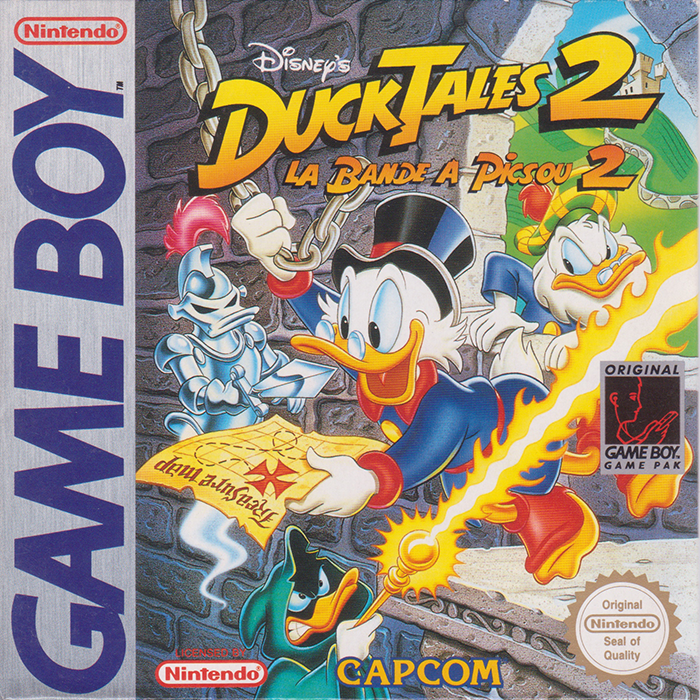
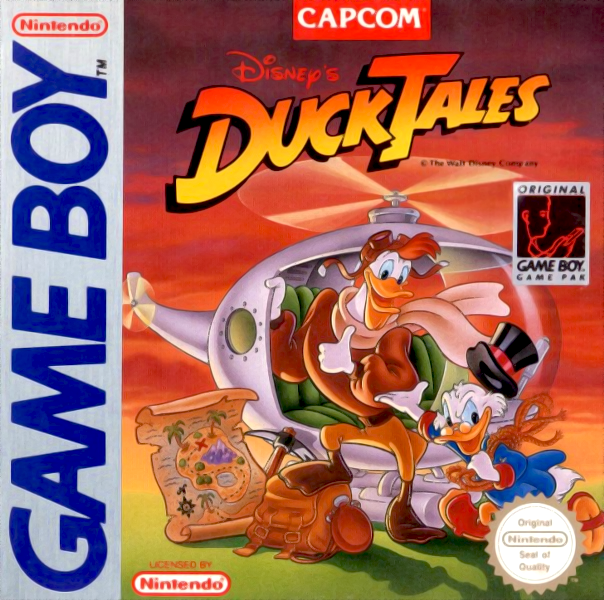
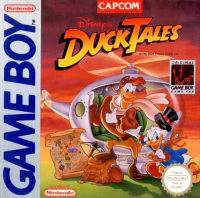
Duck Tales (1990) for the Game Boy and
Duck Tales (1991) for platforms like the Amstrad CPC and ZX Spectrum. These releases adapted the core treasure-hunting themes to suit different hardware limitations, solidifying the property's presence in early 1990s gaming. The enduring legacy of these titles is often attributed to their tight controls and the highly praised soundtrack composed by Hiroshige Tonomura.


.png)


.png)
 (Side A).png)


.png)
.png)
 (Side A).png)