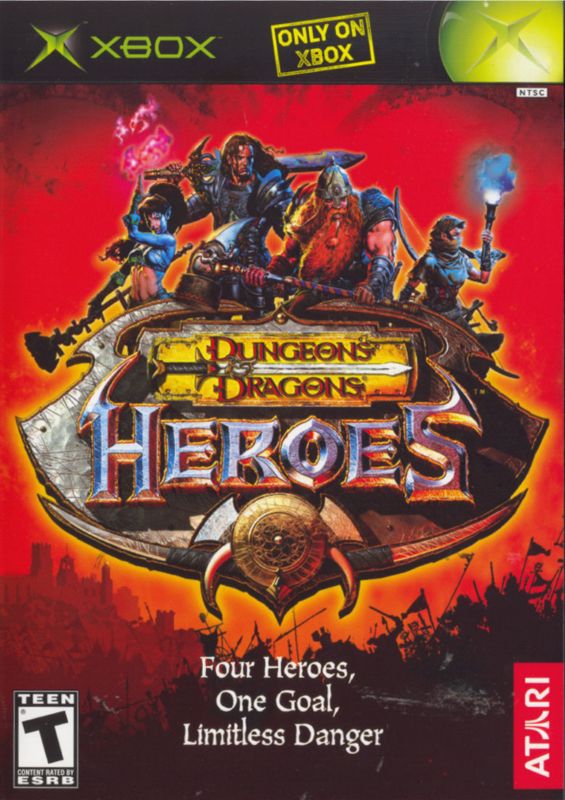
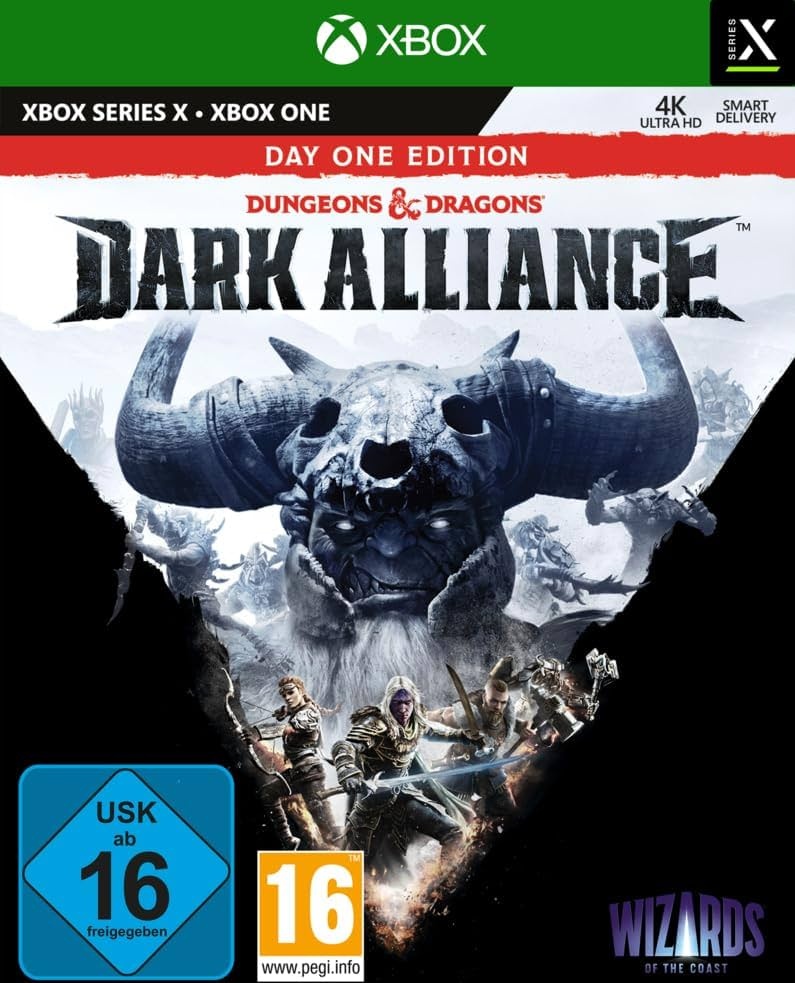
This video game series adapts the rules and settings of the classic tabletop RPG across various genres. It includes tactical RPGs like Dungeons & Dragons: Warriors of the Eternal Sun, action-RPGs such as Dungeons & Dragons: Heroes and Dungeons & Dragons: Dark Alliance, and arcade beat-'em-up compilations like Dungeons & Dragons: Chronicles of Mystara (also released as Mystara Eiyuu Senki). The franchise also features extensive adaptations of specific campaign settings, as seen in the Neverwinter Nights series.
The digital evolution of this franchise spans multiple console generations and development partners. Early console adaptations, such as Sega's
Dungeons & Dragons: Warriors of the Eternal Sun (1992) for the Genesis, introduced original storylines set in the Hollow World campaign setting. Capcom expanded the brand into arcades, later compiled in
Dungeons & Dragons: Chronicles of Mystara (2013), its
Dungeons & Dragons: Chronicles of Mystara [Limited Edition] (2013), and the Japanese PlayStation 3 release
Dungeons & Dragons: Mystara Eiyuu Senki (2013).
As the tabletop rules evolved, so did the digital adaptations. Atari and other publishers transitioned the franchise into fully three-dimensional spaces.
Dungeons & Dragons: Heroes (2003) brought cooperative hack-and-slash gameplay to the Xbox, utilizing the third-edition ruleset. The franchise's legacy of deep, community-driven role-playing persisted into modern platforms with releases like
Dungeons & Dragons: Neverwinter Nights 2 [Enhanced Edition] (2020), which updated classic Obsidian Entertainment development for contemporary hardware. More recently, Tuque Games and Wizards of the Coast modernized the action-RPG format with
Dungeons & Dragons: Dark Alliance (2021), focusing on cooperative multiplayer combat in the Icewind Dale region.
.png)