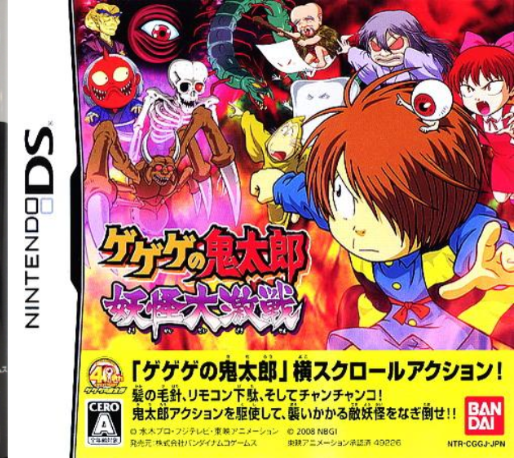
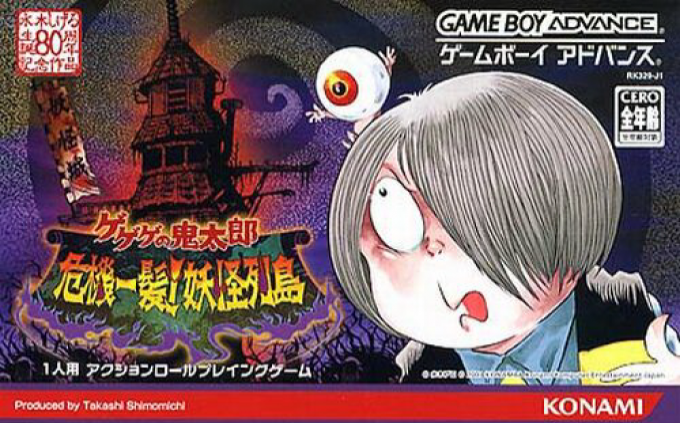
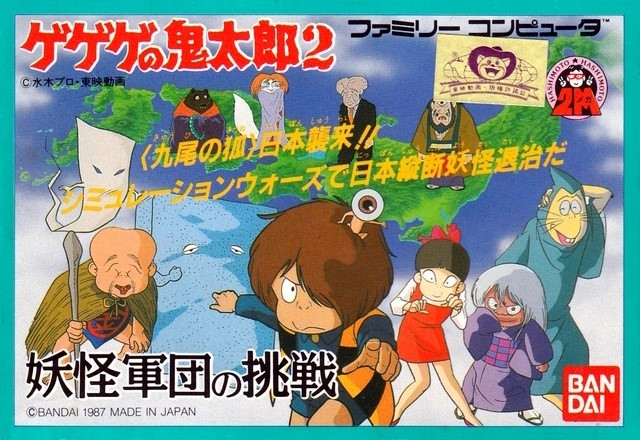
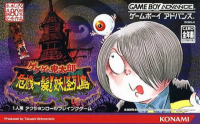
The Gegege no Kitarou video game series adapts the classic yokai manga across multiple console generations. It began with the 1986 Famicom action game GeGeGe no Kitarou and its 1987 RPG sequel GeGeGe no Kitarou 2. The franchise continued with titles like Gegege no Kitarou: Fukkatsu Tenma Daiou (1993) for Super Famicom, GeGeGe No Kitarou: Gentou Kaikitan (1994) for PC-Engine, and Gegege no Kitarou: Kiki Ippatsu! Youkai Rettou (2003) for Game Boy Advance.
The franchise transitioned into the 32-bit era with the PlayStation release
Gegege No Kitarou (1996), which shifted the series into immersive environments while maintaining its signature supernatural atmosphere. The same year saw diverse genre spin-offs, including the digital board game
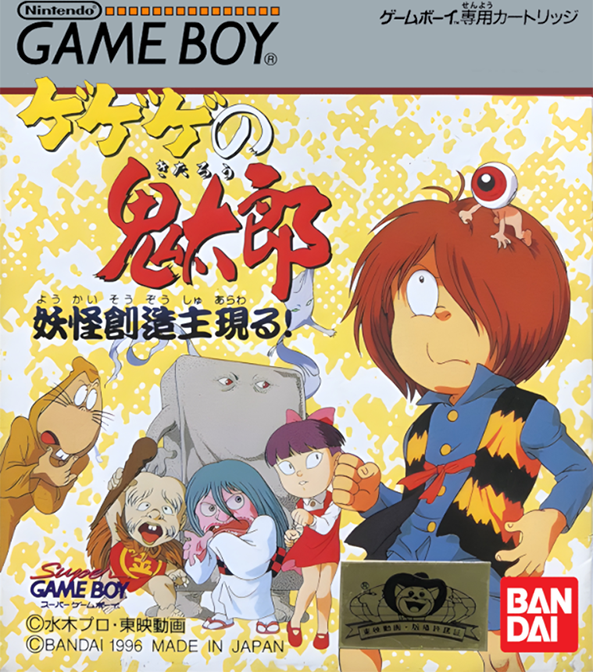
Gegege no Kitarou: Youkai Donjaara (1996) for the Super Famicom and the portable role-playing game
Gegege no Kitarou: Youkai Souzoushu Arawaru (1996) for the Game Boy. These titles allowed players to interact with Shigeru Mizuki's iconic characters, such as Medama-oyaji and Nezumi-otoko, through varied gameplay mechanics ranging from tile-matching puzzles to turn-based tactical battles.
Bandai spearheaded the publishing of these adaptations, ensuring that each game release aligned with the aesthetic of the concurrent anime broadcasts. While early entries focused on side-scrolling action and traditional role-playing, later releases like
Gegege no Kitarou: Kiki Ippatsu! Youkai Rettou (2003) refined these concepts into handheld action-platformers. Across these diverse systems, the video game series served as a crucial medium for introducing traditional Japanese folklore and yokai culture to younger generations of gamers.
_1.png)
.png)
.png)
.png)

_1.png)

.png)




.png)

.png)



 (Beta).png)