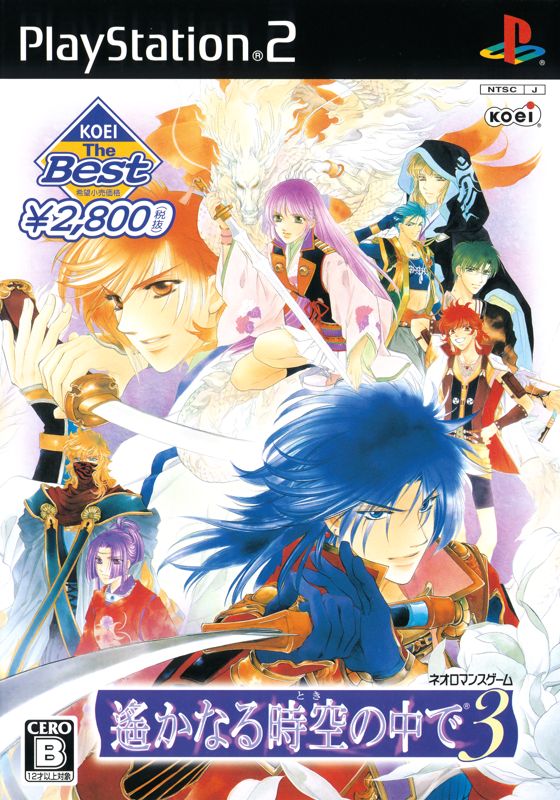
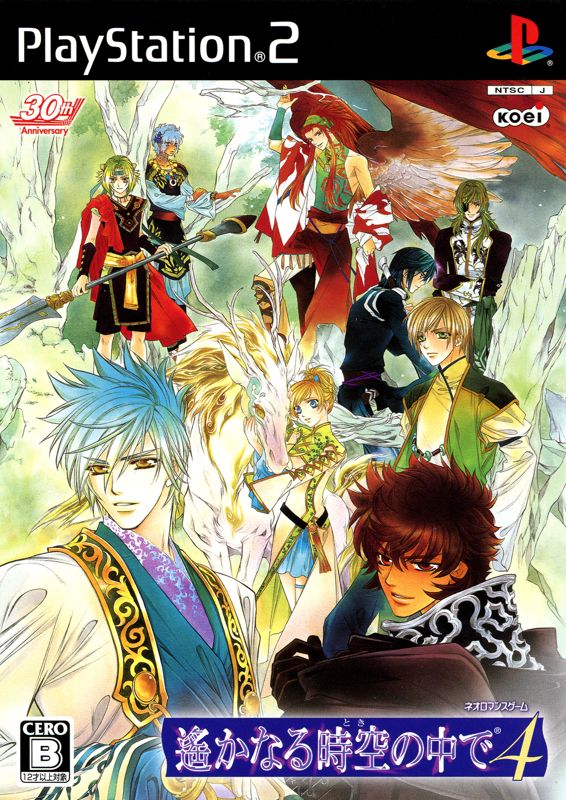
The series debuted with Harukanaru Toki no Naka de in 2000, establishing its signature blend of romance, historical fantasy, and turn-based battles. It continued with major installments and expansions including Harukanaru Toki no Naka de 2 (2002), Harukanaru Toki no Naka de 3 (2004), and spin-offs like Banue Yuugi and Unmei no Labyrinth. These early entries solidified the franchise as a cornerstone of the Neoromance media line.
Developed by Koei's Ruby Party division, this otome franchise expanded its reach across multiple platforms, transitioning from the original PlayStation and Game Boy Advance to the PlayStation 2. The release of
Harukanaru Toki no Naka de [Premium Box] (2000) offered collectors exclusive physical bonuses, establishing a deluxe packaging strategy that became a staple for subsequent releases. The series refined its gameplay mechanics by integrating board-game-style movement and card-based systems, an evolution evident in
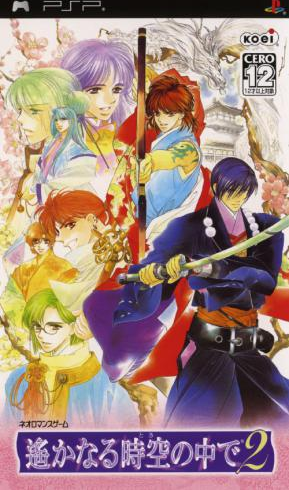
Harukanaru Toki no Naka de 2 (2002) and its later PlayStation 2 port,
Harukanaru Toki No Naka De 2 (2005).
The narrative depth increased significantly with
Harukanaru Toki no Naka de 3 (2004), which introduced time-travel mechanics to alter tragic historical outcomes. This entry spawned several key expansions and variations, including
Harukanaru Toki No Naka De 3: Izayoiki (2005) and its collector-oriented
Harukanaru Toki No Naka De 3: Izayoiki [Premium Box] (2005). The sub-series concluded its narrative arc with the fandisc
Harukanaru Toki no Naka de 3: Unmei no Labyrinth (2006). Additionally, the franchise experimented with alternative genres, such as the board-game-inspired spin-off
Harukanaru Toki No Naka De: Banue Yuugi (2004). Together, these releases established the franchise's commercial viability and paved the way for numerous anime and manga adaptations.

_1.png)
 (Premium Box).png)








 (Premium Box).png)

_1.png)


_1.png)
_1.png)