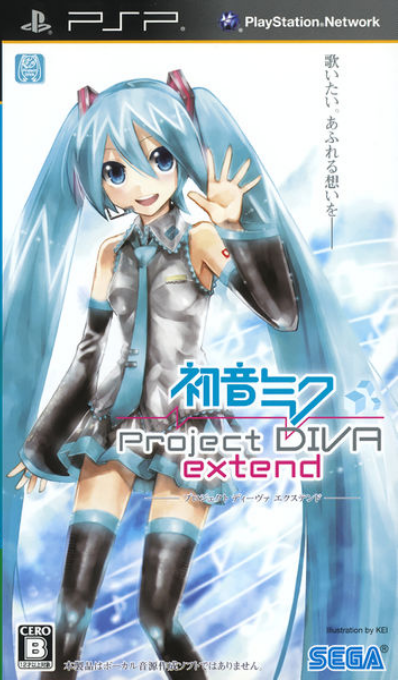
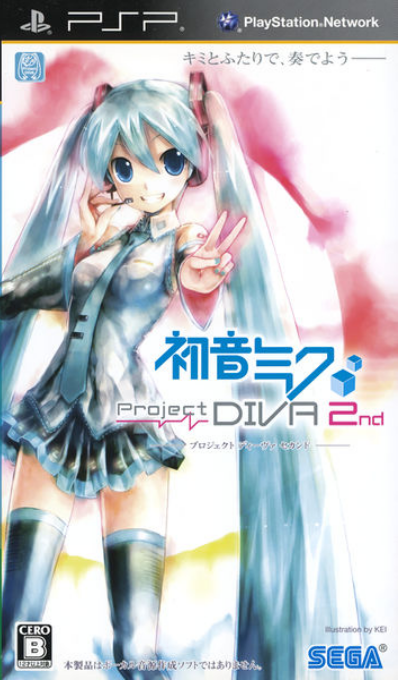
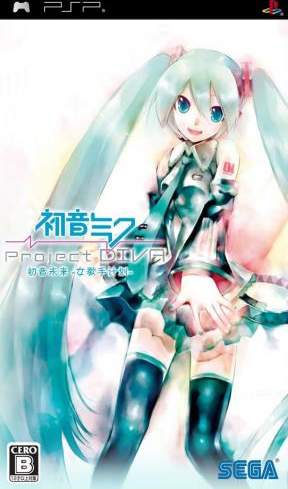
The Hatsune Miku: Project DIVA series began in 2009 with the release of Hatsune Miku: Project Diva on the PlayStation Portable. The franchise quickly expanded with Hatsune Miku: Project Diva 2nd in 2010 and Hatsune Miku: Project Diva Extend in 2011, establishing the core rhythm gameplay mechanics and featuring songs synthesized using Crypton Future Media's Vocaloid software.
Sega capitalized on the initial success of the rhythm series by releasing budget-friendly re-releases and specialized hardware bundles. The original 2009 game received a budget reissue titled
Hatsune Miku: Project Diva [Best Price] (2009), followed by the value-oriented bundle
Hatsune Miku: Project Diva [Dekkai Ohaidoku-han] (2010).
As the franchise's popularity surged, the sequel spawned several collector and promotional editions. Players could purchase the game alongside physical merchandise through
Hatsune Miku: Project Diva 2nd [Ippai Pack] (2010) and the
Hatsune Miku: Project DIVA 2nd [Accessory Set] (2010). These releases bundled the software with themed PSP accessories, such as pouches and skins, to appeal to the dedicated Vocaloid fanbase. To bridge the gap between home consoles and the growing arcade scene, Sega also released the
Hatsune Miku: Project Diva 2nd [Arcade Debut Pack] (2011). This marketing strategy of combining software with physical collectibles and budget options solidified the franchise's presence in the Japanese gaming market, paving the way for its long-term expansion across multiple console generations.
_1.png)
_1.png)